Callie Self-Care Pet App Review
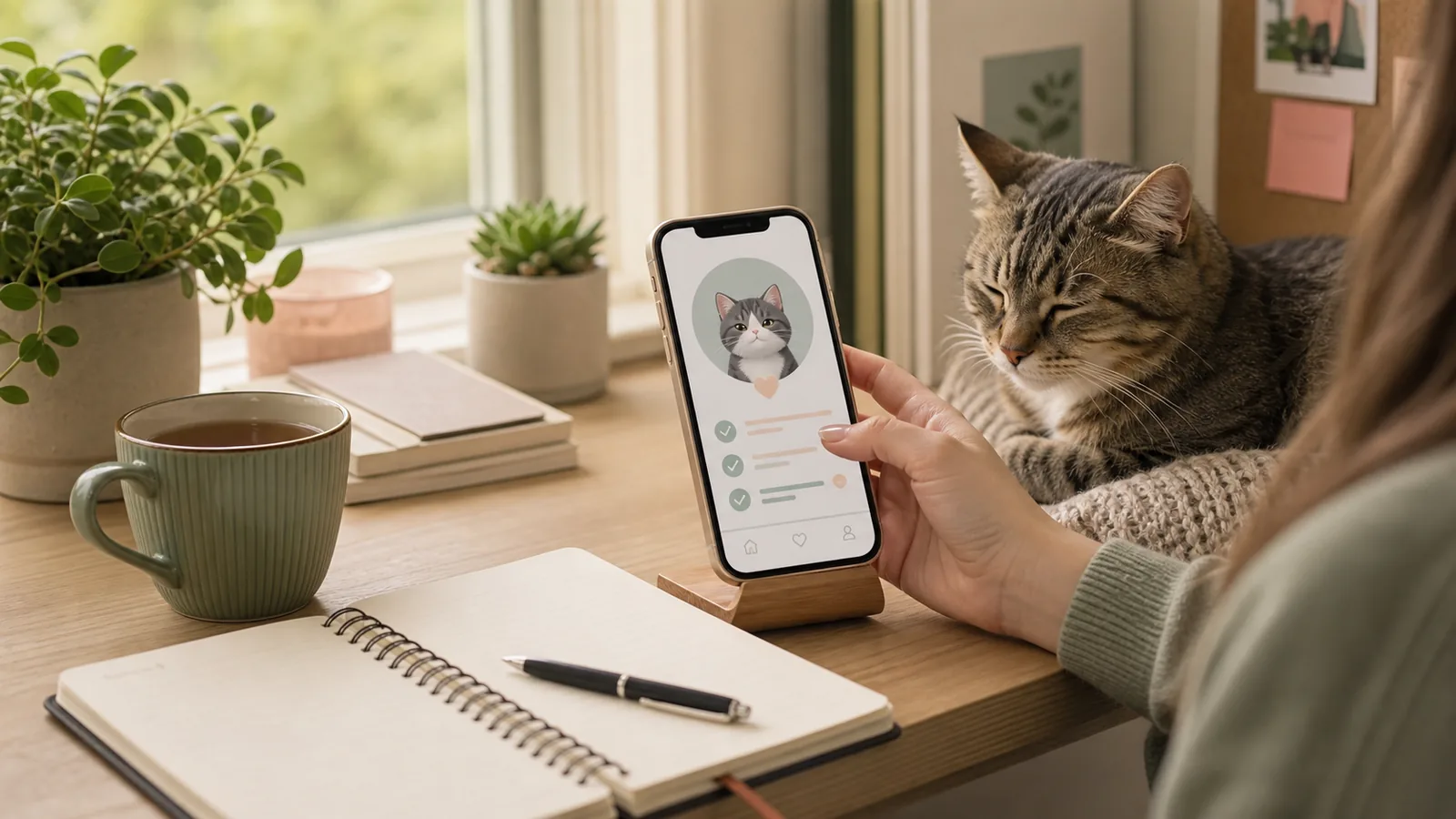
A Practical Review Of The Callie Self-Care Pet App
Callie is a self-care app built around a virtual pet concept. Instead of tracking a real dog or cat’s food, medication, location, or vet records, it uses a cute digital pet to help people reflect on habits such as meals, routines, and daily care. For our readers, that distinction matters: Callie is pet-themed, but it is not a pet care management app for real animals.
We reviewed current app-store descriptions, public product information, and common patterns in habit-tracking and virtual-pet apps. This is not medical, mental health, nutrition, or veterinary advice. For you, the useful question is not whether Callie can replace professional support. It cannot. The question is whether a gentle virtual pet format makes self-care tracking feel more approachable.
Quick Verdict
Callie is worth a look if you like cozy apps, virtual pets, low-pressure food journaling, and soft accountability. It may appeal to cat lovers, younger adults, or anyone who finds ordinary trackers too clinical. The pet theme can make daily check-ins feel more emotional and less like filling out a spreadsheet.
It is not the right choice if you need a dog walking tracker, pet medication reminders, microchip records, GPS location, veterinary documents, or detailed nutrition support for an animal. For those needs, look for a real pet-care app or work directly with your veterinarian.
What Callie Is Actually For
The word “pet” in this keyword can be misleading. Callie is best understood as a human self-care tool with a virtual companion. The virtual pet gives the app personality, while the habit and food-tracking features give it structure.
That can work because many people respond better to gentle prompts than to strict dashboards. A small digital cat or companion can make a daily routine feel less lonely. Instead of opening an app that asks you to optimize everything, you open one that asks you to check in.
The format is similar in spirit to other virtual pet systems: you care for the character by caring for yourself. That does not make the app childish. It simply uses a softer feedback loop than calorie-first, productivity-first, or streak-heavy tools.
Strengths Of The Virtual Pet Approach
The biggest strength is emotional design. Many habit apps fail because they feel judgmental after one missed day. A virtual pet can make returning to the app feel less punishing. The goal is not to “win” self-care but to notice patterns and keep coming back.
The second strength is simplicity. For users who do not want complex charts, macro calculations, or rigid plans, a lighter app can reduce friction. If the app makes it easier to record meals, mood, water, or daily routines, that may be enough.
The pet theme also creates a useful pause. People who love cats or cozy games may find the experience more inviting than a standard health tracker. A familiar, gentle visual language can make an app easier to open on a difficult day.
Limits To Understand
Callie should not be treated as medical care, eating disorder treatment, diet coaching, therapy, or veterinary support. If food tracking is stressful for you, or if you have a history of disordered eating, be cautious with any app that asks you to record meals. A cute interface does not automatically make tracking healthy for every person.
The app also may not satisfy users who want detailed data. If you need medication schedules, full symptom logs, exportable reports, or clinician collaboration, a lighter self-care app may feel too basic.
For real pets, the limits are even clearer. Callie is not a substitute for a microchip registry such as the kind discussed in our HomeAgain Pet Recovery Review, and it is not a place to manage vet records, flea treatments, insurance documents, or emergency contacts.
Best Fit Users
Callie makes the most sense for someone who wants a low-pressure self-care companion rather than a technical health platform. It may be a good fit if you:
- Like virtual pets or cozy mobile games
- Want a softer way to check in with meals and routines
- Prefer simple reflection over dense analytics
- Need reminders that feel gentle rather than harsh
- Enjoy cat-themed design and companion mechanics
It is less likely to work if you:
- Need clinical nutrition guidance
- Want a full pet-care organizer
- Prefer spreadsheets and detailed exports
- Dislike gamified habit apps
- Find food tracking stressful or triggering
Privacy And Data Questions
Any self-care app deserves a privacy check before you use it seriously. Look for what data the app collects, whether account creation is required, how subscriptions work, and whether information can be deleted or exported. App-store privacy labels are a starting point, but the privacy policy is more important.
Be especially thoughtful if the app asks for food logs, mood information, body-related details, or other sensitive personal data. You do not need to share more than the app genuinely needs for your use case.
Parents should also check age ratings, subscription prompts, and data practices before recommending any self-care app to a teen. A cute virtual pet interface can still collect meaningful personal information.
How To Decide If It Is Worth Keeping
Give the app a short trial with a simple goal. For example, use it for a week to record meals without judgment, notice your daily routine, or build a tiny check-in habit. Do not measure success by perfect streaks. Measure it by whether the app makes you more aware without making you more anxious.
After a week, ask:
- Did I open it willingly?
- Did the virtual pet make the habit feel easier?
- Did tracking feel supportive or stressful?
- Did I learn anything useful?
- Would I pay for the features I actually used?
If the answer is mostly yes, Callie may be a good fit. If the answer is mostly no, there is nothing wrong with choosing a simpler notes app, paper journal, or a more specialized tool.
FAQ
Is Callie a pet care app for real cats and dogs?
No. Callie is best understood as a self-care app with a virtual pet theme. It is not designed to manage real pet medical records, feeding schedules, GPS tracking, or microchip details.
Can Callie replace nutrition advice?
No. Food journaling apps can help some people notice patterns, but they do not replace a doctor, dietitian, therapist, or other qualified professional.
Is it good for cat lovers?
It may be, especially if you enjoy virtual pets and cozy app design. The cat-like companion can make self-care tracking feel warmer than a standard dashboard.
What should I check before subscribing?
Review the current feature list, renewal terms, privacy policy, data deletion options, and whether the free version already meets your needs.
Is food tracking safe for everyone?
No. Food tracking can be stressful or triggering for some people. If it makes you anxious, obsessive, or ashamed, stop using it and seek support from a qualified professional if needed.
Bottom Line
Callie is a virtual pet self-care app, not a real pet management tool. Its strength is making habits and food journaling feel softer through a companion-style interface. Its limits are important: it is not medical advice, not therapy, not veterinary support, and not a GPS or pet-records app. For cat lovers who want gentle self-care prompts, Callie may be charming and useful. For owners trying to manage an actual pet’s health, safety, or recovery records, choose a purpose-built pet-care tool instead.
You might also like
Back on Track Pet Igloo: Fit and Cleaning Review
A practical Back on Track Pet Igloo review focused on sizing, cave-bed comfort, cleaning, and best-fit pets.
HomeAgain Pet Recovery Review
A practical review of HomeAgain pet recovery, including microchip registration, membership benefits, alerts, and owner fit.
Aldi Pet Friendly Rug Review
A practical review of Aldi pet friendly rugs, including washable care, durability, sizing, safety, and best-use rooms.