Best Bed With Pet Bed Setups for Better Sleep
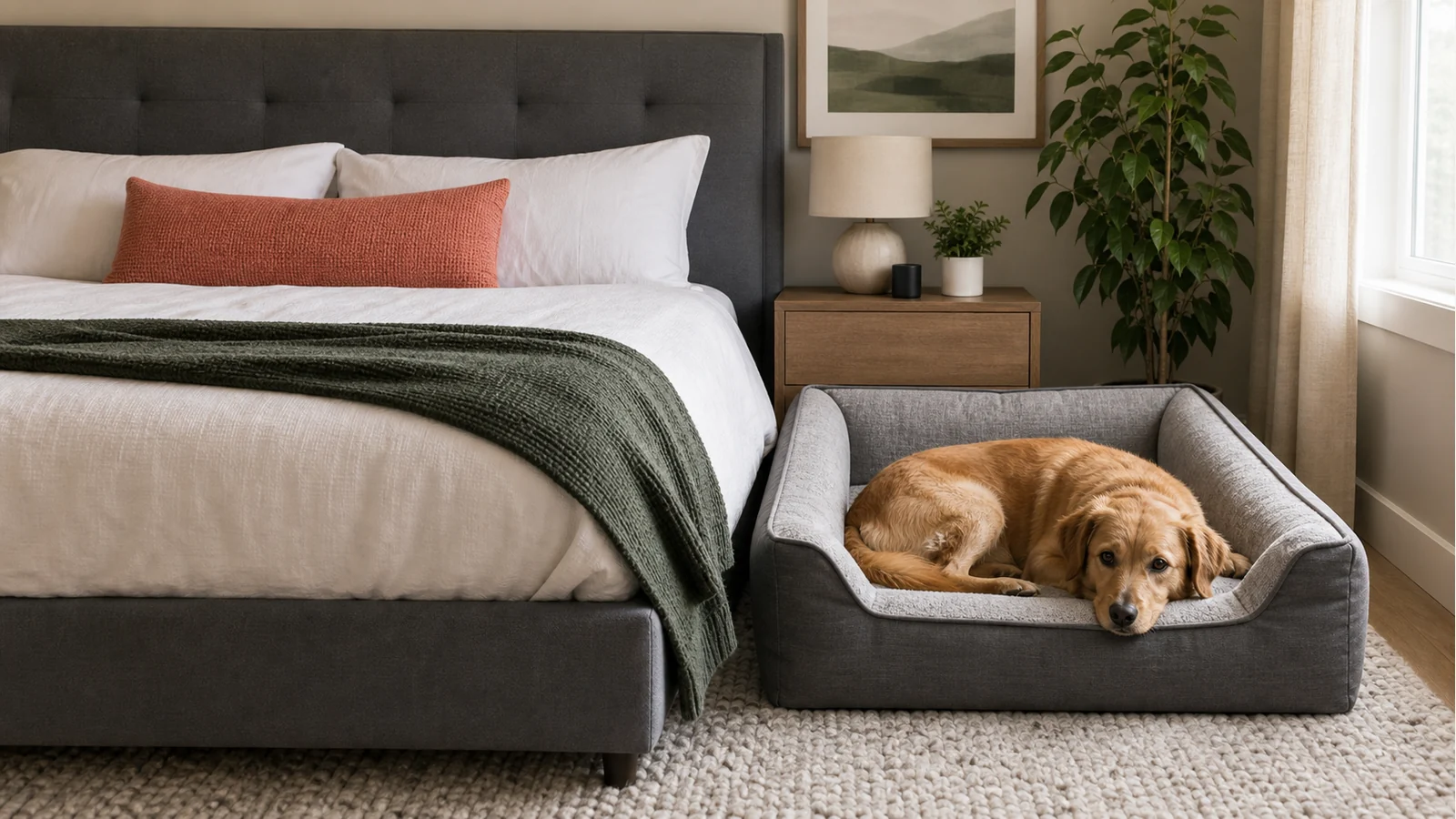
A Bed With Pet Bed Keeps Them Close Without Crowding The Mattress
When we talk about a bed with pet bed setup, we mean anything from a human bed frame with a built-in pet nook to a coordinated bedside dog bed, a low-profile cat bed near the nightstand, or a bench-style sleeper at the foot of the bed. The goal is simple: your pet gets a comfortable sleep spot close to you, while you keep more room, cleaner bedding, and fewer midnight wakeups.
To choose well, match the setup to your pet’s size, age, mobility, heat preference, and the bedroom floor space you can spare. A senior dog needs different support than a young cat who wants a high-sided nest, and a washable cover may matter more than a designer look if your pet sheds, drools, or tracks outdoor grit.
Quick Picks by Bedroom Need
| Setup | Best for | Watch-outs |
|---|---|---|
| Bedside bolster bed | Dogs that like sleeping near your side | Needs enough walking space |
| Foot-of-bed bench bed | Medium dogs and shared bedrooms | Can block drawers or closets |
| Under-bed drawer bed | Small rooms and tidy storage | Airflow and access can be limited |
| Mattress-height platform | Small or senior pets | Must be stable and easy to clean |
| Cat cave near the nightstand | Cats that want privacy | Some cats prefer higher perches |
Best Overall: A Washable Bedside Bolster
For most households, a washable bedside bolster bed is the easiest version of a bed with pet bed arrangement. It sits next to the human bed, gives your dog or cat a defined place, and does not require buying a new bed frame. Look for a removable cover, supportive base foam, and bolsters that are firm enough for leaning but not so high that an older pet struggles to enter.
Measure from the wall to the bed frame before buying. You want enough width for the pet bed plus a safe walkway. If you step over the bed every morning, it will become annoying quickly and may turn into a trip hazard at night.
Best For Senior Dogs: Low Entry With Supportive Foam
Older dogs often want closeness but not the jump onto a mattress. Choose a low-entry pet bed with orthopedic-style support, a non-slip bottom, and a washable waterproof liner. Avoid tall bolsters on all sides if your dog has arthritis or limited rear-leg strength.
A small ramp or two-step stair can help if the bed is slightly elevated, but it should be wide, stable, and textured. Wobbly stairs can make a nervous dog avoid the setup completely.
Best For Small Bedrooms: Under-Bed Or Drawer-Style Beds
An under-bed pet bed can save space, especially in apartments or guest rooms. Some bed frames use a pull-out drawer or open cubby that turns into a pet nook. This can work well for small dogs and cats who like enclosed spaces.
Check ventilation and access before choosing this style. A pet should be able to enter and leave easily, stretch comfortably, and avoid feeling trapped. Skip drawer-style beds for pets who overheat, chew furniture, or dislike enclosed spaces.
Best For Cats: A Cozy Side Nest With Height Options
Cats may ignore a beautiful floor bed if they prefer height, warmth, or privacy. A cat-friendly bedroom setup often works best as a small side nest near the bed plus an alternate perch, such as a window shelf or low cat tree. If your cat sleeps against your legs but wakes you at 4 a.m., a heated pad designed for pets or a soft cave near your side may help redirect the habit.
Choose washable fabrics and avoid loose strings, fringe, or decorative buttons. Cats knead, scratch, and groom where they sleep, so simple construction is safer and easier to maintain.
Best For Large Dogs: Foot-Of-Bed Sleeper
Large dogs usually need more floor area than a narrow bedside strip can provide. A foot-of-bed sleeper, cushioned bench, or large rectangular bed can keep them near the family bed without forcing a tight fit. This arrangement also lets both humans get out of bed safely.
Measure your dog from nose to tail base while lying down, then add several inches. If your dog sleeps sprawled on their side, a round bed may be too cramped. For curled sleepers, a bolster or nest shape may feel more secure.
Best Built-In Look: Coordinated Furniture And Fabrics
If design matters, choose a pet bed that coordinates with the human bed frame rather than trying to hide the pet bed entirely. Matching graphite, cream, green, or wood tones can make the setup look intentional. A washable throw over the human bed can also visually connect the two sleep areas.
Built-in furniture is worth considering only if the dimensions truly fit your pet. A beautiful cubby that is too small, too warm, or hard to clean will not be used for long.
Features That Matter Most
Prioritize these before color or style:
- Removable, machine-washable cover
- Supportive base that does not flatten quickly
- Non-slip bottom for hard floors
- Low entry for small or older pets
- Enough length for natural sleeping posture
- Cover fabric that resists hair and dries reasonably fast
- Replacement cover availability
If your pet has allergies, accidents, or skin issues, a waterproof liner under the cover is worth paying for.
How To Help Your Pet Use The New Bed
Place the bed where your pet already tries to sleep. Add a familiar blanket for a few nights. Reward calm settling, but do not force the pet into the bed. If your dog keeps climbing onto the mattress, gently guide them back to the pet bed and reward them there. Consistency matters more than the bed’s price.
For cats, try moving the bed only a few inches at a time. Sudden relocation can make a cat decide the new spot was never their idea.
FAQ
What is a bed with pet bed?
It is any bedroom setup that pairs a human bed with a dedicated pet sleep area, either built into the frame or placed beside, under, or at the foot of the bed.
Are built-in pet bed frames worth it?
They can be worth it for small pets and tidy bedrooms, but only if the bed is ventilated, washable, easy to access, and large enough for your pet’s real sleeping posture.
Should a dog bed be level with my mattress?
It can help pets feel close, but it is not required. For senior dogs, a low bed may be safer than a high platform.
What size bedside pet bed should I buy?
Measure your pet lying in their usual sleep position and add several inches. Also measure your bedroom walkway so the bed does not create a tripping hazard.
How often should I wash a bedroom pet bed?
Wash the cover every one to two weeks for heavy shedders or pets with allergies, and at least monthly for lighter use. Clean accidents immediately.
Bottom Line
The best bed with pet bed setup is comfortable for your pet and livable for you. Start with washable materials, the right height, and enough space for safe movement around the room. A simple bedside bolster often beats a fancy built-in frame if it fits your pet’s body and your nightly routine.
You might also like
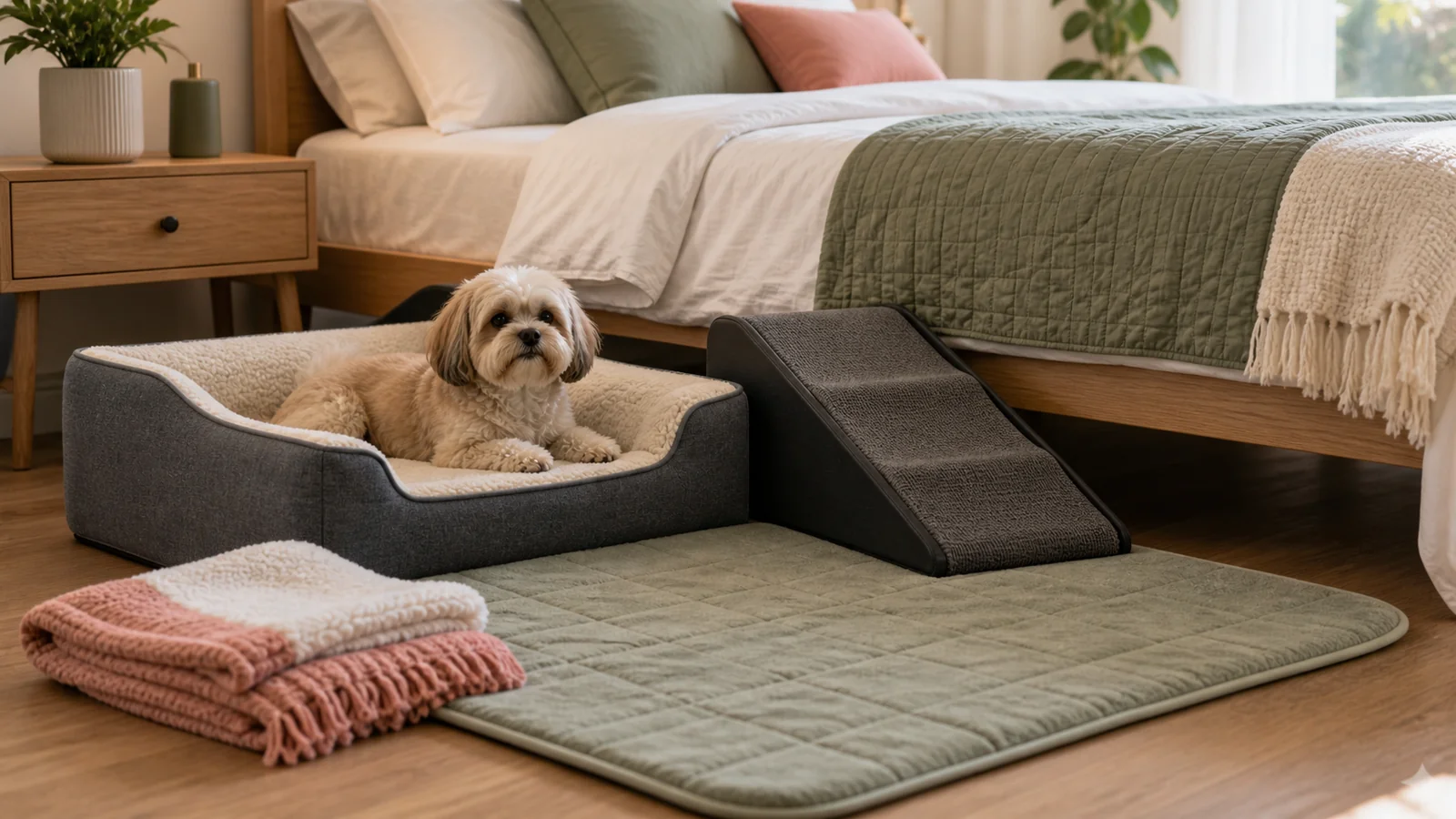
Bed With Pet Bed: 5 Setup Styles That Work
Compare five bed with pet bed setups, from bedside co-sleepers to ramps, under-bed nooks, and washable floor beds.
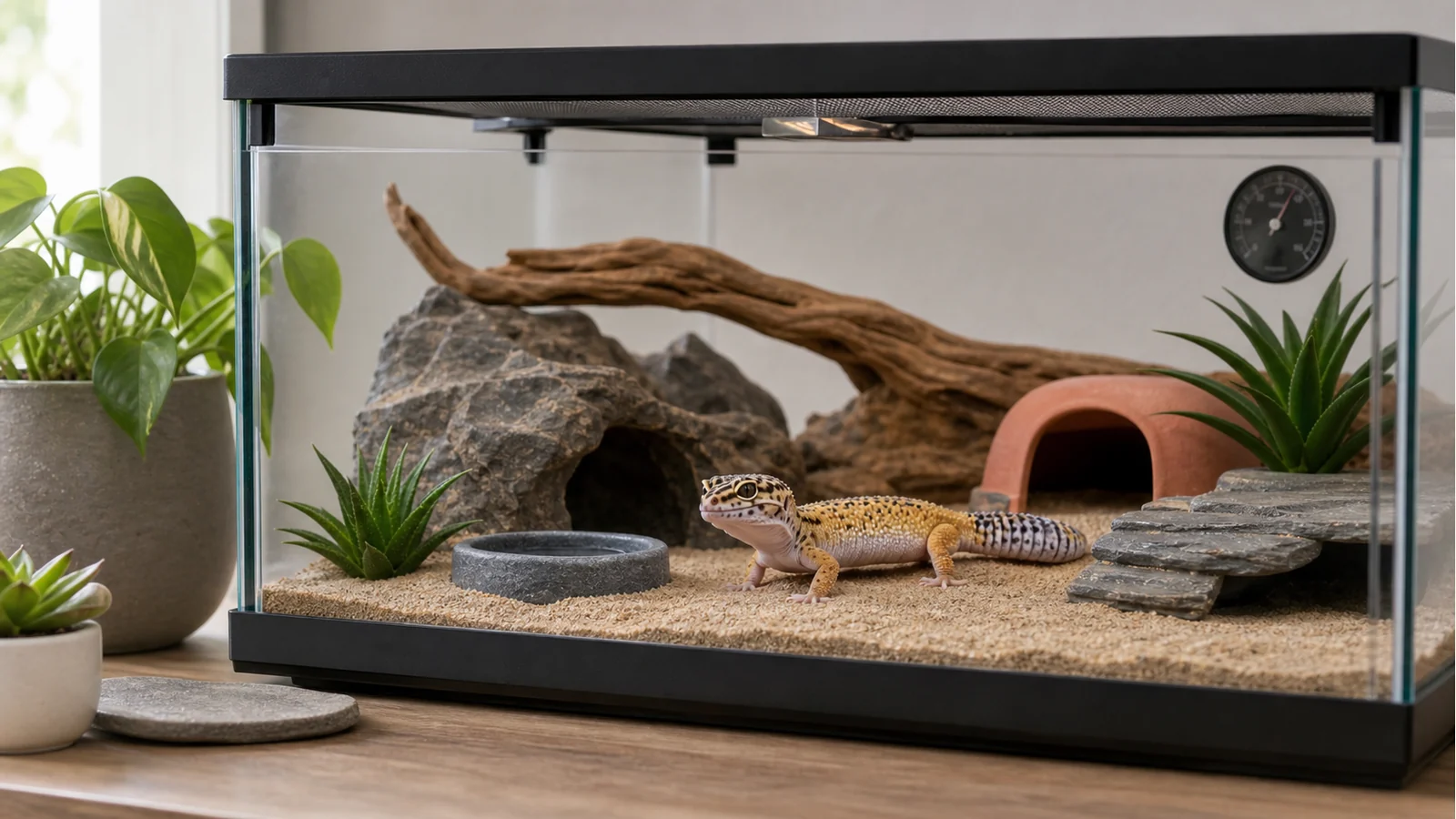
Best Pet Reptile for Beginners: Low-Maintenance Picks
Compare beginner pet reptiles by handling, habitat, feeding, and upkeep so low-maintenance does not mean underprepared.
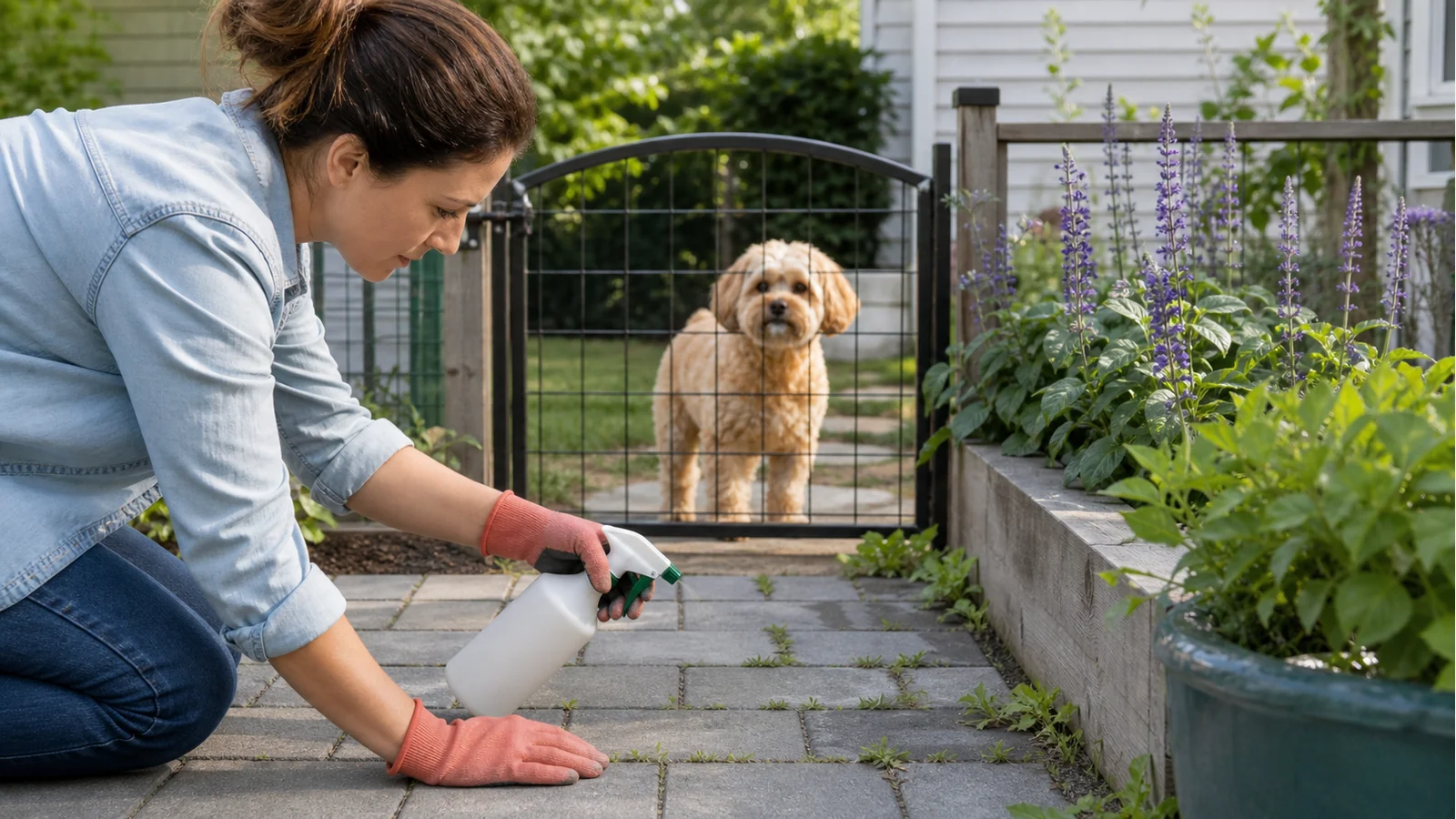
Best Pet Safe Weed Killer for Lawns and Patios
Find pet safe weed killer options for patios, lawns, and garden beds, plus safer habits before pets return outside.