Best Pet Reptile for Beginners: Low-Maintenance Picks
Low-Maintenance Reptiles Still Need Precise Care
For beginner households, we usually look for pet reptiles with predictable adult size, widely available captive-bred animals, straightforward feeding, and clear temperature and humidity requirements. Low maintenance does not mean “set it and forget it.” It means the daily routine is manageable once you have built the habitat correctly.
Before you choose any reptile, plan for the enclosure, heat source, thermostat, thermometer, hygrometer, hides, substrate, food, supplements, and an exotic-animal veterinarian. Reptiles can carry Salmonella even when they look healthy, so your household needs handwashing and safe handling rules, especially around young children, older adults, pregnant people, or immunocompromised family members.
Quick Comparison
| Reptile | Beginner fit | Handling | Feeding | Main challenge |
|---|---|---|---|---|
| Leopard gecko | Excellent | Moderate | Insects | Heat gradient and supplements |
| Crested gecko | Excellent | Light | Prepared diet plus insects | Humidity and escape prevention |
| Corn snake | Very good | Moderate | Frozen-thawed rodents | Secure enclosure and long lifespan |
| African fat-tailed gecko | Good | Moderate | Insects | Finding captive-bred animals |
| Bearded dragon | Good but higher upkeep | Often social | Insects and greens | UVB, diet variety, larger enclosure |
Best Overall: Leopard Gecko
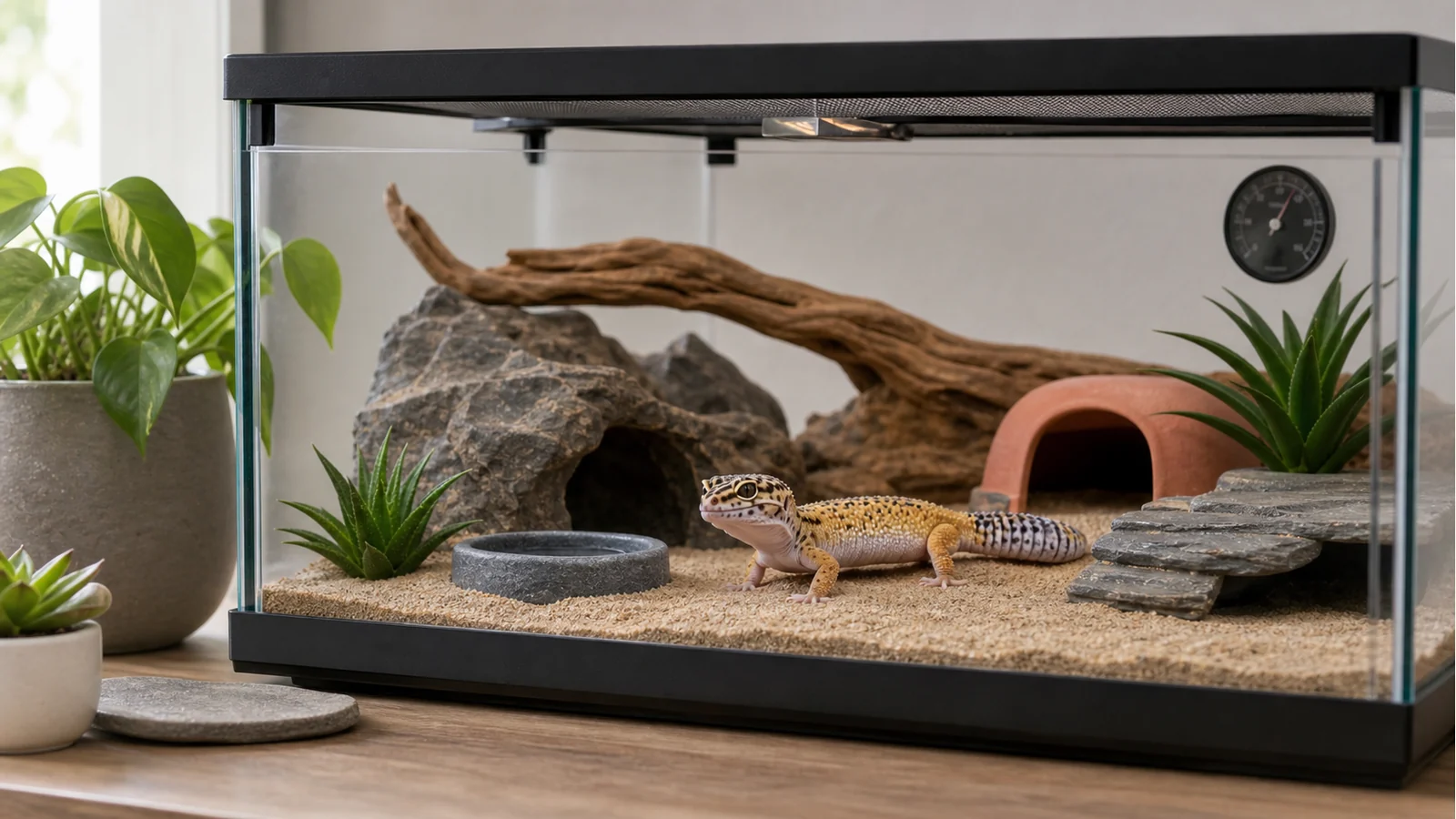
Leopard geckos are one of the strongest beginner choices because they stay a manageable size, do not need a tall enclosure, and usually tolerate gentle handling once settled. They are nocturnal or crepuscular, so they are often active in the evening when families are home. Their diet is insect-based, which is simple for some owners and a dealbreaker for others.
The habitat still needs care. A leopard gecko requires a warm side, a cooler side, secure hides, a humid hide for shedding, clean water, and calcium supplementation. The easiest beginner mistake is buying the animal first and then trying to fix the setup later. Build and test the enclosure before bringing the gecko home.
Best For No Live Rodents: Crested Gecko
Crested geckos are appealing because many thrive on a commercial crested gecko diet, with insects offered as part of a varied routine. They are arboreal, so they need a taller enclosure with climbing surfaces, cover, and stable humidity. They can be jumpy, especially when young, so handling should be calm and low to the ground.
For the right household, a crested gecko feels low maintenance because feeding is less intimidating than keeping feeder insects as the main diet. The trade-off is humidity management. Too dry, and shedding can suffer. Too wet or poorly ventilated, and the enclosure can become unhealthy.
Best Beginner Snake: Corn Snake
Corn snakes are hardy, widely captive-bred, and generally manageable for beginners who are comfortable feeding frozen-thawed rodents. They need a secure enclosure, proper heat gradient, hides, and careful escape prevention. A small gap can become a missing snake problem very quickly.
Corn snakes are not cuddly pets, but many tolerate calm handling. They also live a long time, often well over a decade with proper care, so this is not a short-term starter animal. Choose one only if everyone in the household is comfortable with snake care and feeding.
Best Alternative Gecko: African Fat-Tailed Gecko
African fat-tailed geckos are similar in appeal to leopard geckos: ground-dwelling, manageable size, and relatively calm. They often prefer slightly different humidity conditions and may be less common in local pet stores, so sourcing matters. Look for captive-bred animals from a reputable breeder or rescue.
They are a good fit for someone who likes the leopard gecko care style but wants a quieter, less common pet. As with any reptile, avoid impulse purchases from sellers who cannot explain age, feeding history, and housing requirements.
Best For Interactive Owners: Bearded Dragon
Bearded dragons are popular beginner reptiles because they are visible during the day and often more interactive than many geckos or snakes. They are also not the lowest-maintenance pick on this list. They need a larger enclosure, strong UVB lighting, a basking area, diet variety, insects, greens, and regular cleaning.
For an owner who wants a reptile they can observe often and is willing to manage lighting and diet carefully, a bearded dragon can be rewarding. For someone who wants the simplest setup, a leopard gecko or crested gecko is usually easier.
Reptiles Beginners Should Usually Skip
Some reptiles are beautiful but poor first pets. Green iguanas grow large and need demanding housing. Chameleons are sensitive to stress, hydration, and airflow. Many turtles require large aquatic systems, filtration, UVB, and frequent cleaning. Large constrictors are inappropriate for most beginners.
If a reptile is cheap to buy but expensive to house correctly, treat the enclosure cost as the real price.
What Makes A Reptile Low Maintenance?
Look for these traits:
- Captive-bred animals are easy to find
- Adult size is predictable and manageable
- Diet is realistic for your household
- Temperature and humidity ranges are achievable in your home
- Veterinary care is available nearby
- The species has reliable care information from reputable sources
- The enclosure can be cleaned without major disruption
Avoid choosing based on cuteness alone. A reptile that hides all day may be healthy and normal, but disappointing for someone expecting an interactive pet.
Hygiene And Handling Basics
Wash hands after touching the reptile, enclosure, substrate, dishes, or feeding tools. Do not clean reptile equipment in the kitchen sink. Keep reptiles away from food-prep surfaces. Supervise children closely, and teach them not to kiss reptiles or put hands near their mouths during handling.
These habits are part of responsible reptile ownership. They protect both the family and the animal.
FAQ
What is the easiest reptile pet for beginners?
For many beginners, a leopard gecko is the easiest overall because it has manageable housing, a predictable size, and widely available care information.
Are reptiles low maintenance pets?
Some reptiles have simple daily routines, but they are not maintenance-free. Their habitat conditions must stay within safe temperature, humidity, and cleanliness ranges.
Is a bearded dragon easier than a leopard gecko?
Usually no. Bearded dragons are often more interactive, but they need larger enclosures, UVB lighting, and a more varied diet.
What reptile is best if I do not want to feed mice?
Leopard geckos and crested geckos avoid rodent feeding. Leopard geckos eat insects, while crested geckos can eat prepared diets with some insect variety.
Are pet reptiles safe for kids?
They can be safe with adult supervision and strict hygiene, but reptiles are not ideal for very young children who may put hands in their mouths or handle animals roughly.
Bottom Line
The best pet reptile for beginners low maintenance homes is usually a leopard gecko, crested gecko, or corn snake, depending on whether your household prefers insects, prepared diets, or snake feeding. Choose the species whose adult care you can repeat comfortably for years, and set up the habitat before the animal comes home.
You might also like
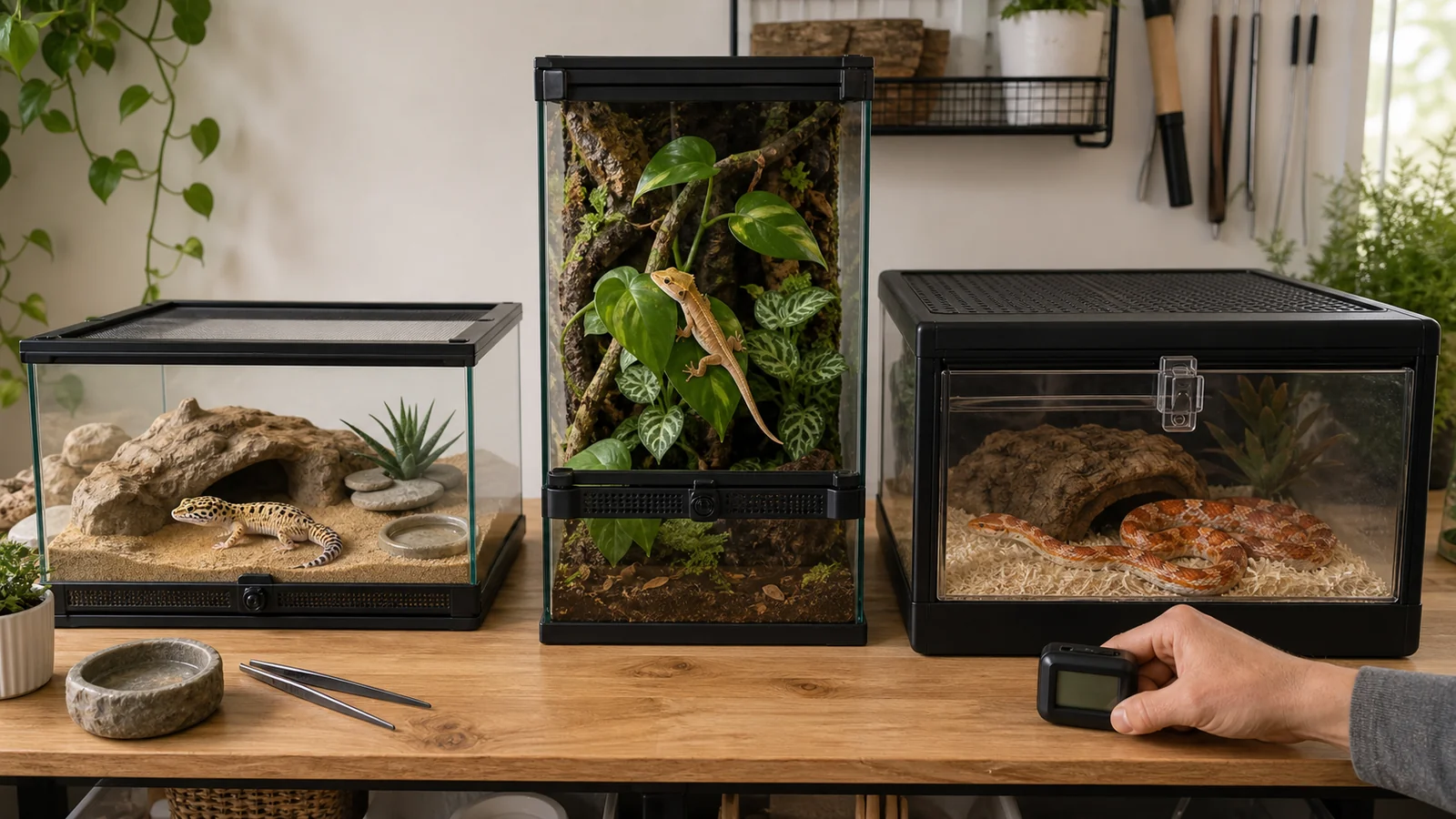
Best Low-Maintenance Pet Reptiles for Beginners
Compare beginner pet reptiles by feeding, space, humidity, handling, and upkeep so you can choose the easiest fit.
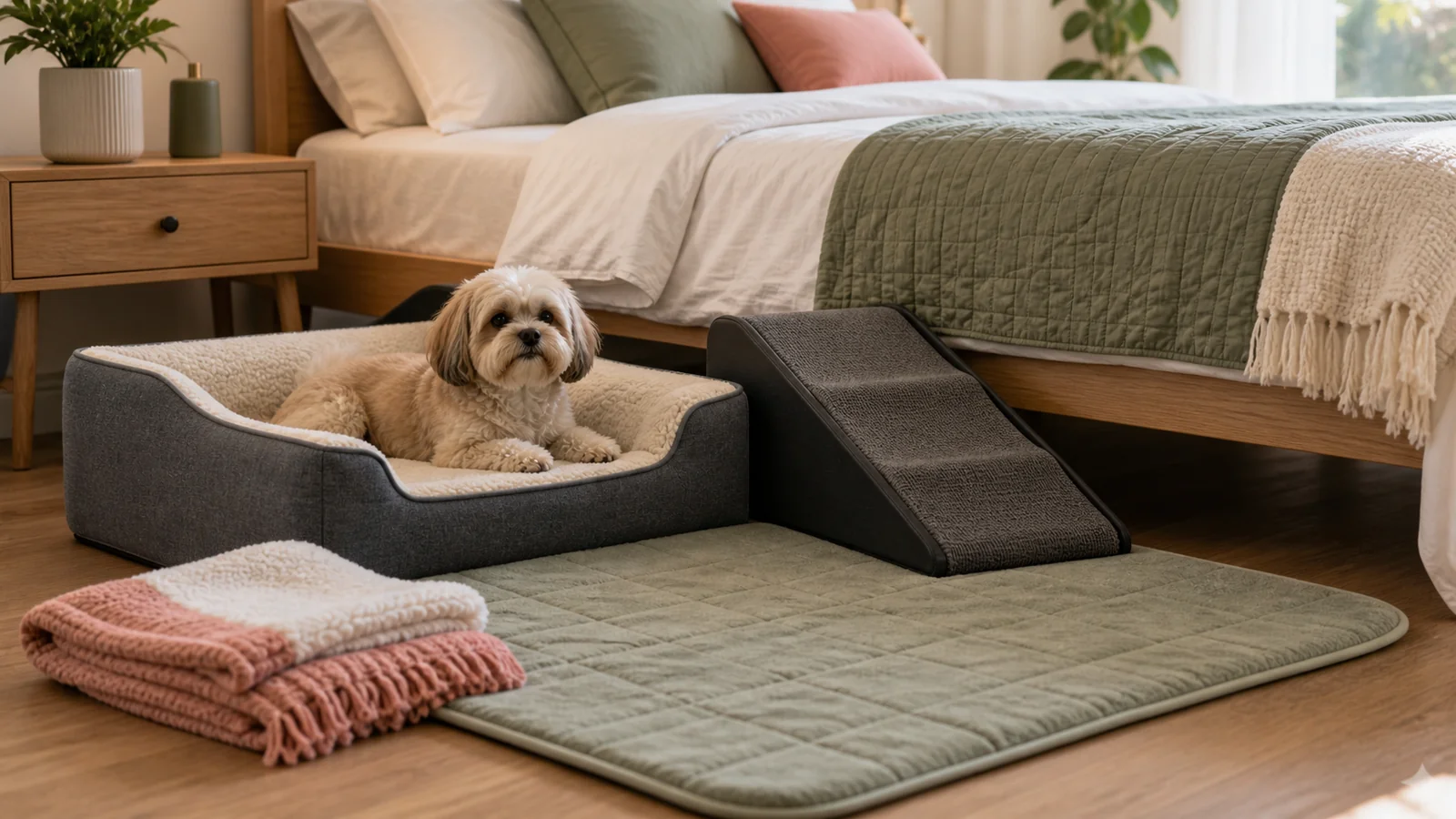
Bed With Pet Bed: 5 Setup Styles That Work
Compare five bed with pet bed setups, from bedside co-sleepers to ramps, under-bed nooks, and washable floor beds.

Best Bed With Pet Bed Setups for Better Sleep
Compare bed with pet bed options for dogs and cats, from bedside bolsters to under-bed drawers and washable cushions.