Best Low-Maintenance Pet Reptiles for Beginners
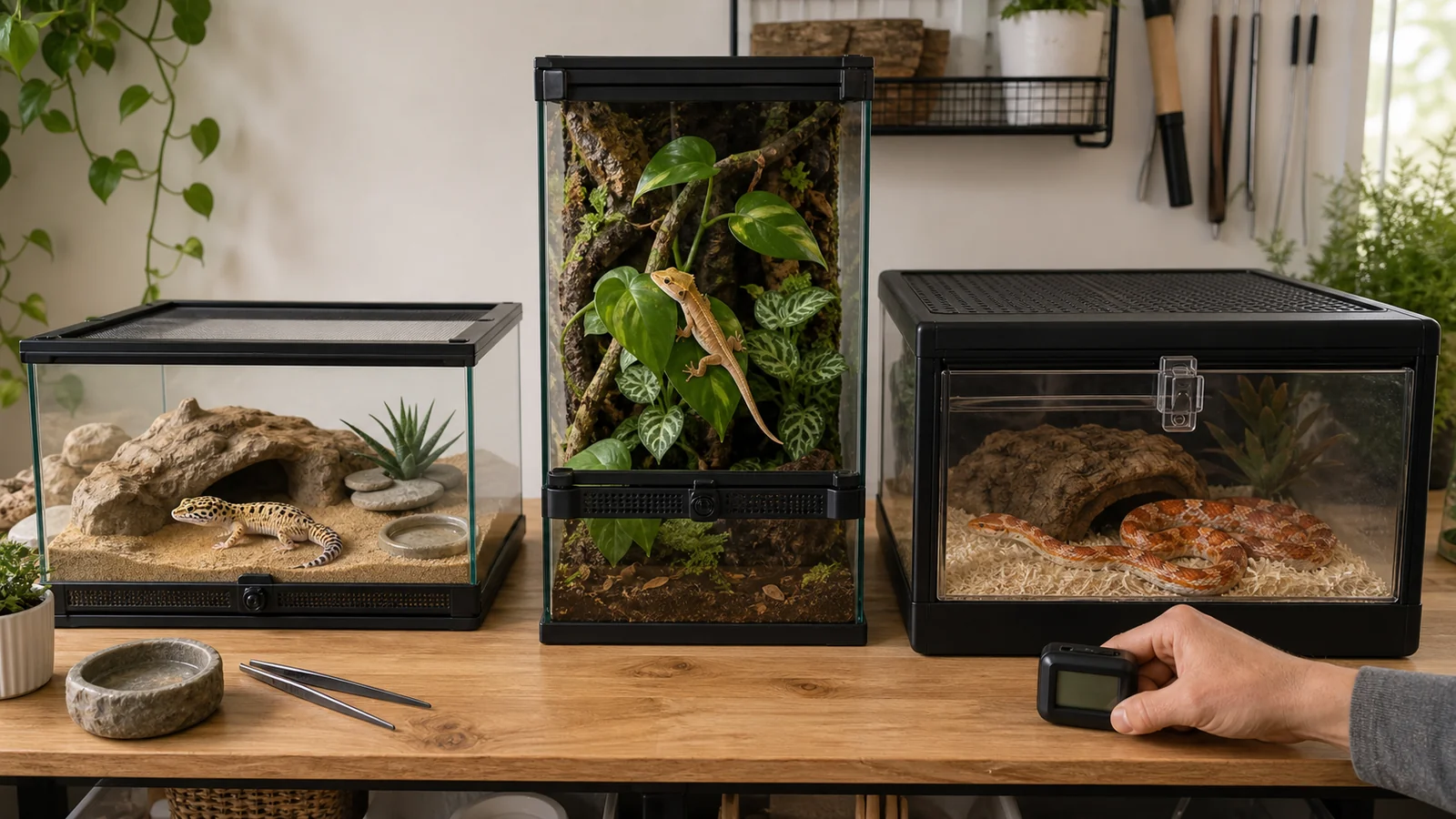
Low Maintenance Means Repeatable, Not Effortless
The best pet reptile for beginners low maintenance homes is usually the species whose care routine you can repeat calmly for years. That may be a leopard gecko for one household, a crested gecko for another, or a corn snake for someone comfortable with frozen-thawed rodents.
Low maintenance does not mean low responsibility. Reptiles still need the right enclosure, heat, humidity, food, cleaning, safe handling, and veterinary access. The difference is that some species have more forgiving daily routines once the habitat is built correctly.
We reviewed beginner reptile care guidance from veterinary and animal-health sources, CDC reptile hygiene guidance, and common keeper recommendations. This article focuses on choosing by maintenance style, so it complements our broader beginner reptile comparison rather than repeating it.
Quick Ranking By Maintenance Style
| Best fit | Reptile | Why it may feel easier |
|---|---|---|
| Easiest overall for many homes | Leopard gecko | Manageable size, simple ground setup, predictable routine |
| Best if you dislike live insects as the main diet | Crested gecko | Prepared diet can be the staple, with humidity work |
| Best beginner snake | Corn snake | Infrequent feeding, clear enclosure needs, secure housing |
| Best calm gecko alternative | African fat-tailed gecko | Similar appeal to leopard geckos with slightly different humidity |
| Best interactive but not lowest upkeep | Bearded dragon | Visible and engaging, but larger and more demanding |
If you want the fewest daily moving parts, start with leopard geckos and crested geckos. If you want a more visible daytime reptile, read the bearded dragon section carefully before assuming it is easy.
Best Overall: Leopard Gecko
A leopard gecko is often the easiest beginner reptile because its adult size is manageable, it does not need a tall enclosure, and its routine is fairly predictable. It is a ground-dwelling lizard that usually does best with a warm side, a cool side, secure hides, a humid hide for shedding, fresh water, and an insect-based diet.
Why beginners like it:
- Enclosure size is manageable
- No high-humidity planted setup is required
- Many captive-bred animals are available
- Handling can be possible with calm practice
- Care information is easy to find
- Activity often happens in the evening
The tradeoff is feeder insects. If your household cannot handle crickets, roaches, mealworms, or similar feeders, a leopard gecko may not feel low maintenance to you.
Also plan for supplements and temperature checks. A leopard gecko is easier than many reptiles, but it still needs measured heat and a clean habitat.
Best If You Want Less Insect Reliance: Crested Gecko
Crested geckos are popular because a complete prepared crested gecko diet can be the main food, with insects offered as part of a varied routine. That can feel simpler than keeping insects as the daily centerpiece.
The care style is different from a leopard gecko. A crested gecko needs a taller enclosure, climbing cover, ventilation, and humidity management. You will mist, monitor, and remove old food before it spoils.
Choose a crested gecko if:
- You prefer a vertical display enclosure
- You like observing climbing behavior
- Prepared diet sounds easier than frequent insects
- You can manage humidity without making the habitat soggy
- You are comfortable with a jumpy animal
Skip it if you want a pet that sits calmly in the hand. Many crested geckos tolerate light handling, but they can leap suddenly.
Best Beginner Snake: Corn Snake
Corn snakes can be low maintenance in a different way. They do not need daily feeding, and many captive-bred corn snakes are hardy beginner choices. The main requirements are a secure enclosure, correct heat gradient, hides, water, and a reliable frozen-thawed rodent feeding routine.
They are a good fit if:
- Everyone in the home accepts snake feeding
- You can secure the enclosure carefully
- You want a pet that does not need daily meals
- You understand this may be a long-lived animal
- You are comfortable with observation more than cuddling
The biggest beginner mistake is underestimating escape prevention. A loose lid, cable gap, or weak latch can become a missing snake. Spend money on security before decor.
Corn snakes are not for households uncomfortable storing or feeding frozen-thawed rodents. If that part bothers you, choose a gecko instead.
Best Alternative Gecko: African Fat-Tailed Gecko
African fat-tailed geckos appeal to people who like the leopard gecko care style but want a calmer, less common option. They are ground-dwelling, insect-eating geckos with a manageable size and often a gentle temperament.
They may need slightly more humidity planning than a typical leopard gecko setup, and captive-bred availability can vary by region. That makes sourcing important.
Look for:
- Captive-bred animal
- Clear feeding history
- Healthy body condition
- Clean eyes and skin
- Seller who can explain humidity and heat needs
- Access to reptile veterinary care
This is not the best choice if you need the easiest animal to find locally. It can be a great choice if you have a reputable breeder or rescue.
Most Interactive But Higher Upkeep: Bearded Dragon
Bearded dragons are often marketed as beginner reptiles because they are visible, alert, and often more tolerant of handling than many small lizards. They are also not truly low maintenance.
Compared with geckos, a bearded dragon usually needs:
- Larger adult enclosure
- Strong basking heat
- Correct UVB lighting
- Bigger food budget
- More diet variety
- More frequent cleaning
- More space for gear
For the right owner, that tradeoff is worth it. Bearded dragons can be fascinating, active pets. For the owner who wants the easiest routine, they may be too much.
If this is your top choice, read our bearded dragon pet setup guide before buying an enclosure. The lighting and heat plan should be ready before the animal comes home.
Reptiles That Are Usually Not Low Maintenance For Beginners
Some reptiles look appealing but are poor low-maintenance picks.
Beginners should usually avoid:
- Green iguanas
- Chameleons
- Most turtles
- Large monitor lizards
- Large constrictor snakes
- Wild-caught reptiles
- Species with unclear adult size or diet
The problem is not that these animals are bad. The problem is that their housing, humidity, UVB, diet, filtration, safety, or adult size can overwhelm a first-time keeper.
Turtles are a common example. They may look simple in a small store tank, but many need large aquatic setups, filtration, basking areas, UVB, and frequent water care.
How To Choose By Your Personal Dealbreakers
The easiest reptile is the one whose hard parts you can actually tolerate.
If You Do Not Want Rodents
Choose a leopard gecko, crested gecko, or African fat-tailed gecko. Avoid snakes unless everyone accepts frozen-thawed feeding.
If You Do Not Want Many Live Insects
Consider a crested gecko. Leopard geckos and African fat-tailed geckos need insects as the main diet. Bearded dragons need insects too, especially when young.
If You Do Not Want High Humidity
Look at leopard geckos or corn snakes before crested geckos. You will still need humidity support for shedding, but the whole enclosure may be simpler.
If You Want A Daytime Pet
Bearded dragons are more visible during the day, but they are higher upkeep. Many geckos are evening or night active.
If You Have Young Kids
Be cautious with any reptile. CDC guidance notes that reptiles can carry salmonella even when healthy. Adults must supervise handling, handwashing, and cleaning.
Gear Checklist Before Adoption
Buy and test the habitat before bringing the reptile home.
Your checklist should include:
- Correct enclosure size for the species
- Secure lid or doors
- Heat source
- Thermostat when needed
- Digital thermometer
- Hygrometer when humidity matters
- Hides in the right zones
- Species-safe substrate
- Water dish or misting routine
- Food and supplements
- Cleaning supplies kept separate from kitchen tools
- Contact information for an exotic-animal veterinarian
Run the setup for several days. Measure the warm side, cool side, humidity, and basking area if relevant. Adjust before the animal is inside.
Hygiene And Handling Rules
Reptiles can carry germs that make people sick, including salmonella. That does not mean reptiles are unsafe for everyone. It means your household needs rules.
Use these habits:
- Wash hands after touching the reptile, enclosure, food, water dish, or cleaning tools.
- Keep reptiles away from kitchens and dining surfaces.
- Do not kiss reptiles or hold them near your face.
- Supervise children closely.
- Clean reptile equipment away from human dishes.
- Keep dogs and cats away from reptile enclosures.
- Quarantine new reptiles if you already keep others.
If your household includes very young children, older adults, pregnant people, or immunocompromised family members, ask a healthcare professional before choosing a reptile.
FAQ
What Is The Lowest Maintenance Pet Reptile For Beginners?
For many homes, a leopard gecko is the easiest overall. A crested gecko may feel easier if you prefer prepared diets over frequent feeder insects.
Are Bearded Dragons Low Maintenance?
No. They can be beginner-friendly for prepared owners, but they need a larger enclosure, UVB lighting, basking heat, insects, greens, and regular cleaning.
What Beginner Reptile Does Not Eat Mice?
Leopard geckos, crested geckos, African fat-tailed geckos, and bearded dragons do not require rodent feeding. Their diets still have species-specific work.
What Reptile Is Best For Kids?
There is no perfect reptile for unsupervised children. Leopard geckos and corn snakes can work in careful households, but adults must manage handling and hygiene.
Should I Buy A Starter Kit?
Only if every item fits the species’ adult needs. Many starter kits include undersized enclosures or weak gauges, so compare each component separately.
Bottom Line
The best low-maintenance pet reptile for beginners is usually a leopard gecko, crested gecko, or corn snake, depending on your feeding comfort and habitat style. Choose the routine you can repeat, not the animal that looks easiest in a store. Build the enclosure first, measure the conditions, and bring home a reptile only after the setup is ready.
You might also like
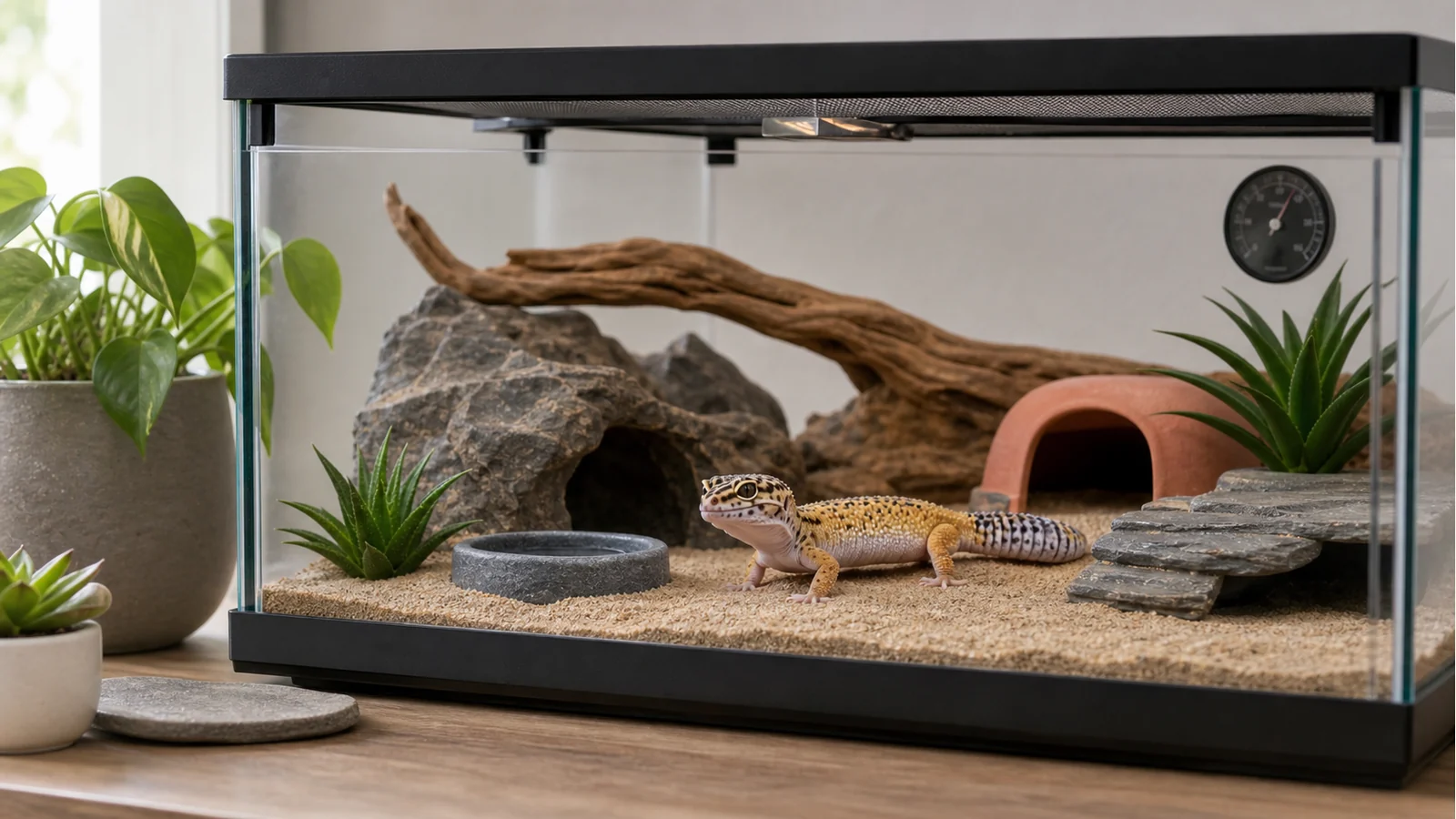
Best Pet Reptile for Beginners: Low-Maintenance Picks
Compare beginner pet reptiles by handling, habitat, feeding, and upkeep so low-maintenance does not mean underprepared.
Best Vacuum Cleaner for Pet Hair at Home
Choose a pet hair vacuum by floor type, brush design, filtration, attachments, and the mess your dog or cat leaves behind.

Best Pet Hair Vacuum: Picks by Home Type
Choose the best pet hair vacuum for carpet, hard floors, stairs, allergies, robots, and daily dog or cat cleanup.