Best Pet Safe Ice Melt for Safer Winter Walks
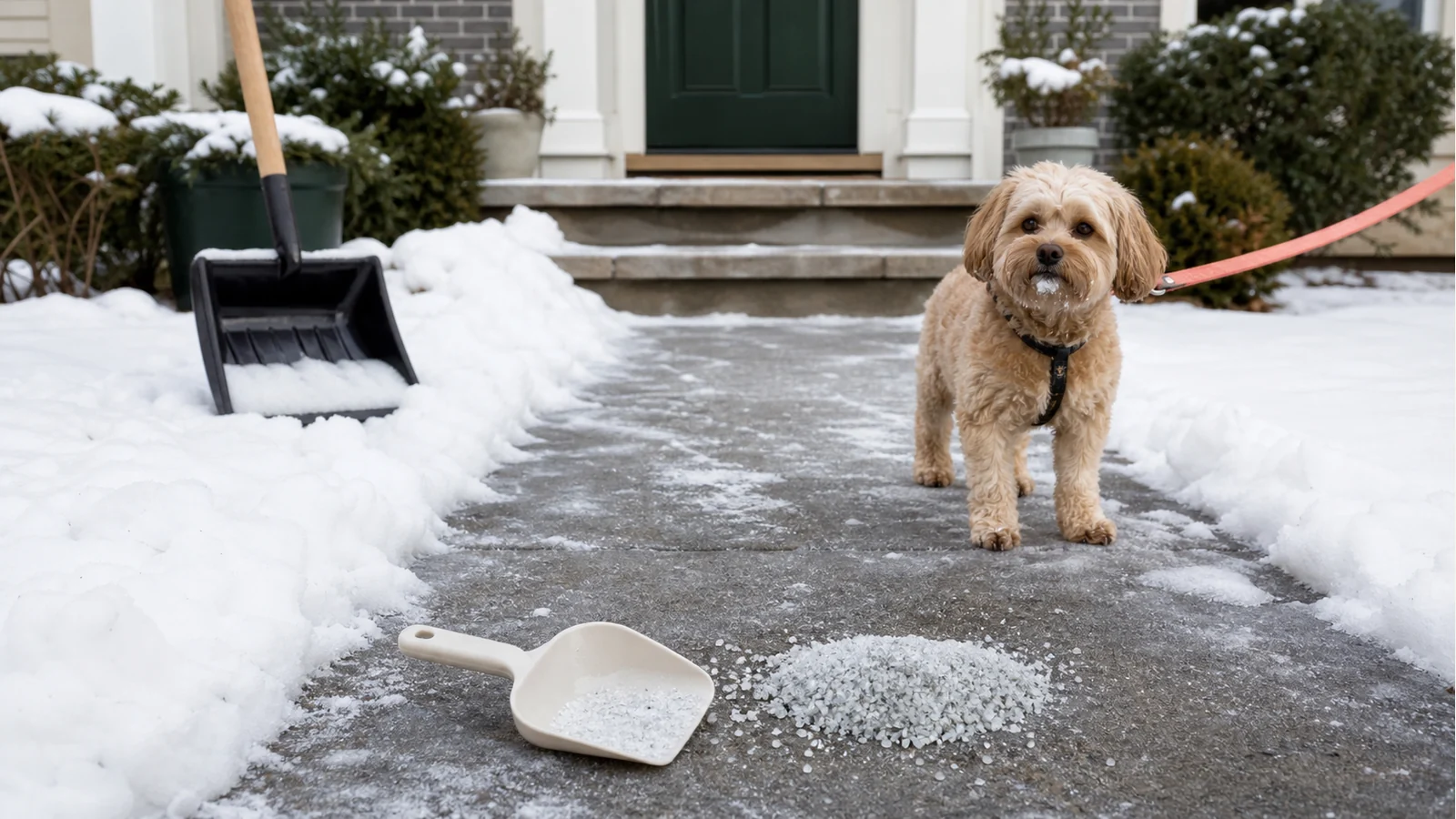
Pet Safe Ice Melt Is About Reducing Risk, Not Removing It
The best pet safe ice melt is the one that keeps people upright while giving paws, noses, and curious tongues less to deal with. That means reading beyond the front label. “Pet safe” usually means the formula is designed to be less irritating than plain rock salt when used as directed. It does not mean a dog or cat can lick it, eat it, or nap in it.
For most homes, the safest winter setup is a layered one: shovel early, use traction where you can, apply ice melt sparingly only where it is needed, and wipe paws after outdoor trips. This guide focuses on the product types and label details that matter most for U.S. pet owners.
Quick Picks by Use Case
| Need | Look for | Watch-outs |
|---|---|---|
| Everyday porch and steps | Magnesium chloride or calcium magnesium acetate blends | Still irritating if overused or tracked indoors |
| Very cold snaps | A clearly labeled product with a low working temperature | Stronger deicers can be harsher on paws and concrete |
| Concrete less than one year old | Sand or traction grit instead of chemical melt | Many deicers can stress new concrete |
| Multi-pet households | Lower-dust granules and a resealable container | Fine powder is easier to inhale or lick |
| Homes with cats | Minimal application and fast cleanup | Cats groom paws more thoroughly than many dogs |
What To Look For On The Label
Start with the active ingredient list. Sodium chloride, the common rock salt found in many budget ice melts, is effective and cheap, but it can sting paw pads, dry skin, and cause stomach upset if pets lick enough from paws or puddles. Calcium chloride and magnesium chloride tend to work at lower temperatures, but concentrated granules can still irritate skin and mouths. Calcium magnesium acetate is often positioned as a gentler, concrete-friendlier option, though it can be slower and more expensive.
The best label will tell you three things plainly: the main deicing ingredients, the temperature range, and where the product should not be used. Vague phrases like “natural,” “eco,” or “family safe” are not enough on their own.
Best Pet Safe Ice Melt Types
Best Overall: Magnesium Chloride-Based Granules
Magnesium chloride blends are a practical default for many pet households because they usually work faster and at lower temperatures than plain sodium chloride while being less harsh than some high-heat deicers. They are not harmless, but they are a good balance when you need traction on steps, a short walkway, or a driveway apron.
Choose pellets or rounded granules rather than dusty flakes when possible. Larger, cleaner granules are easier to see, sweep, and avoid overapplying. Use a small scoop instead of pouring straight from the bag; that one habit prevents most waste and reduces how much your pet tracks inside.
Best For Concrete-Conscious Homes: Calcium Magnesium Acetate
Calcium magnesium acetate, often shortened to CMA, is a strong candidate when you care about paws and hardscape. It is commonly used where corrosion and concrete impact are concerns. It usually does not create the same quick brine effect as stronger chloride products, so expect a slower melt and a higher price.
This type makes the most sense on small, high-traffic areas: front steps, a ramp, or the path from the door to the car. If you are treating a long driveway after every storm, cost can climb quickly.
Best For Mild Freezes: Traction Grit Plus Spot Treatment
When the weather is hovering near freezing, a chemical-free traction product can be the pet-friendliest choice. Sand, poultry grit, or purpose-made traction granules will not melt ice the same way a deicer does, but they can make a slick patch walkable while you wait for sun or warmer air.
The trade-off is mess. Grit tracks indoors, collects in rugs, and may need sweeping before it washes into drains. It is still a useful option for older pets who need immediate grip and for surfaces where chemical deicers are not recommended.
Best For Cold Climates: Low-Temperature Blends Used Sparingly
If winter temperatures regularly drop well below freezing, check the working temperature rather than the marketing claim. Some pet-oriented products lose effectiveness in deep cold, which tempts people to pour on more. A stronger low-temperature blend used lightly can be safer than a gentler product applied by the handful.
The key is control. Clear snow first, scatter a thin layer, wait, then scrape loosened ice away. Leaving piles of granules behind creates more paw contact and more indoor tracking.
Best For Apartments And Shared Walkways: Paw Care Kit First
Renters often cannot choose the ice melt used by a building, city sidewalk crew, or neighbor. In that case, the “best product” is prevention: dog boots if your pet tolerates them, a towel by the door, a shallow paw-rinse station, and a balm recommended by your veterinarian for dry pads.
Shorten walks across heavily treated areas, steer pets away from curb slush, and keep cats indoors when deicers are visible near doors or garages.
Ingredients To Treat With Extra Caution
Avoid assuming that “more powerful” means better. Strong chloride-heavy products can generate heat as they dissolve, which may irritate paws and skin. Urea-based products may be marketed as safer for animals in some contexts, but they can contribute to nutrient runoff and may not be ideal for every property. Colored dyes and fragrances are not automatically dangerous, yet they add little value for pets.
If your pet has cracked paw pads, allergies, kidney disease, gastrointestinal sensitivity, or a history of eating things outdoors, ask your veterinarian before choosing a deicer for regular use.
How To Use Ice Melt Around Pets
- Shovel before applying anything. Deicers work best on thin ice, not deep snow.
- Apply less than you think you need. A light, even scatter is usually enough.
- Keep pets away while granules dissolve.
- Scrape slush once the ice loosens.
- Wipe or rinse paws after walks.
- Sweep leftover granules from the entryway.
- Store the bag sealed and off the floor.
These steps matter as much as the formula. Even a well-chosen pet safe ice melt can cause problems when it sits in piles or gets carried indoors on wet paws.
What If Your Pet Licks Ice Melt?
A small lick from a paw is usually different from chewing granules from the ground or drinking salty slush. Wipe the paws, offer fresh water, and watch for drooling, vomiting, diarrhea, paw redness, limping, or unusual thirst. If your pet ate a noticeable amount, is small, has medical issues, or shows symptoms, call your veterinarian or a pet poison helpline promptly.
Do not wait for perfect certainty. Bring the product bag or a photo of the ingredient label so a professional can see exactly what was involved.
FAQ
Is pet safe ice melt completely safe for dogs?
No. It is better to think of it as lower risk when used correctly. Dogs should not eat it, walk through piles of it, or lick residue from paws.
What is the safest ice melt ingredient for pets?
There is no single safest ingredient for every home. Magnesium chloride and calcium magnesium acetate are common lower-irritation choices, but concentration, application amount, temperature, and cleanup matter just as much.
Can cats walk on pet safe ice melt?
Cats can still get residue on paws and then ingest it while grooming. Use very small amounts near doors, clean visible granules, and keep indoor cats away from treated entryways.
Are dog boots better than pet safe ice melt?
They solve different problems. Boots protect paws from public sidewalks and unknown deicers, while a careful ice melt plan makes your own steps safer. Many households benefit from both.
Can I use ice melt on new concrete?
Be cautious. Many concrete installers recommend avoiding chemical deicers on new concrete. Use sand or traction grit first, and follow the concrete manufacturer’s guidance.
Bottom Line
The best pet safe ice melt is a clearly labeled, lower-irritation product used with restraint. Pick the gentlest formula that works for your actual winter temperatures, clear snow before applying it, and make paw cleanup part of every cold-weather walk. Your pet gets safer footing, and your floors get less salty residue.
You might also like
Best Pet Safe Weed Killer for Lawns and Patios
Find pet safe weed killer options for patios, lawns, and garden beds, plus safer habits before pets return outside.
Bed With Pet Bed: 5 Setup Styles That Work
Compare five bed with pet bed setups, from bedside co-sleepers to ramps, under-bed nooks, and washable floor beds.
Best Pet Reptile for Beginners: Low-Maintenance Picks
Compare beginner pet reptiles by handling, habitat, feeding, and upkeep so low-maintenance does not mean underprepared.