SureFeed Microchip Pet Feeder Review Guide
Quick Verdict
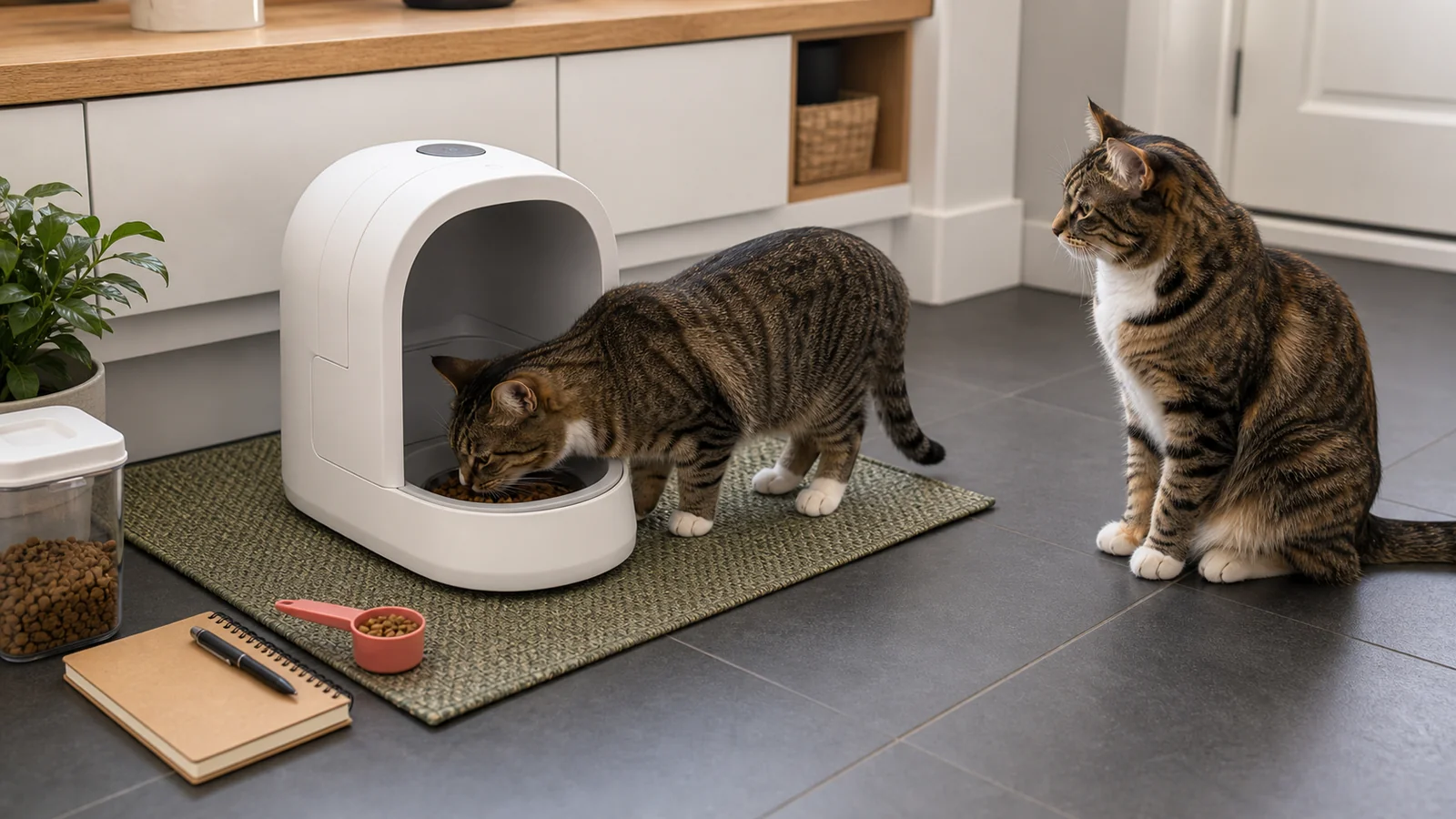
The SureFeed Microchip Pet Feeder is most useful for multi-pet homes where one cat or small dog needs protected food access. Based on official Sure Petcare product information and retailer descriptions, the core idea is simple: the feeder opens for a registered microchip or collar tag, then closes to help keep other pets out.
It is a strong fit for homes with food stealing, different diets, prescription food, grazing cats, or one pet that eats more slowly than the others. It is not a full automatic meal dispenser, and it is not the same as the connected version with app-based monitoring. The standard feeder protects access to food you place in the bowl; it does not schedule and dispense multiple meals from a hopper.
This is a review-style buying guide, not a hands-on test. We used official product details, current retailer information, and common multi-pet feeding use cases to explain where the SureFeed Microchip Pet Feeder makes sense.
What The SureFeed Microchip Pet Feeder Is
The SureFeed Microchip Pet Feeder is an access-controlled pet feeder. It reads a compatible implanted microchip or an RFID collar tag, then opens the lid for the registered pet. When that pet leaves, the lid closes again.
That makes it different from a timed automatic feeder. A timed feeder controls when food becomes available. A microchip feeder controls which pet can reach the food.
The product family can be confusing because Sure Petcare also sells connected feeding products in some markets. Before buying, check the exact model. Do not assume app tracking, Hub support, weight logs, or portion analytics are included with the standard non-connected feeder.
Best For
The SureFeed Microchip Pet Feeder is best for access control.
It may be a good fit if:
- One pet steals another pet’s food
- One cat needs prescription or special diet food
- One pet grazes slowly while another eats fast
- You feed wet food and want it covered between visits
- You need to separate kitten, adult, or senior diets
- You want to reduce open-bowl food access
- Your pet already has a compatible microchip or can wear the included-style tag
It can also help when a cat needs a calm, predictable feeding spot away from a pushier pet. The feeder does not train the other pet by itself, but it can remove easy access to the wrong bowl.
Not Best For
This feeder is not the right solution for every feeding problem.
Consider another setup if:
- You need a hopper that dispenses meals on a schedule
- Your pet refuses covered bowls
- Your cat is frightened by moving lids
- A large dog can physically move or block the feeder
- You need remote app data from the standard model
- Your pet eats from wide, flat dishes only
- You cannot supervise the training period
For aggressive food guarding or serious inter-pet conflict, a feeder is only one tool. You may still need separate feeding rooms, behavior support, or veterinary guidance.
How The Microchip Access Works
The feeder is designed to register an individual pet’s microchip or an RFID collar tag. When the registered pet puts their head near the opening, the lid responds. This helps keep food assigned to that pet rather than leaving it open to the whole household.
The strongest use case is a cat with an implanted microchip. Collar tags can work for pets without a compatible chip, but some cats dislike collars, lose tags, or need breakaway collars for safety.
Before buying, check:
| Question | Why it matters |
|---|---|
| Is my pet microchipped? | The feeder works best when the pet has a readable ID source. |
| Is the microchip compatible? | Compatibility can vary by chip type and region. |
| Will my pet tolerate a collar tag? | Tags are useful backups but not right for every cat. |
| How many pets can be registered? | Multi-pet homes need enough memory for the intended users. |
| Does this exact model connect to an app? | Standard and connected versions are different products. |
If your pet’s microchip has never been scanned, ask your veterinarian or shelter to confirm it reads correctly before relying on a microchip feeder.
Food Capacity And Meal Style
The SureFeed Microchip Pet Feeder is better for controlled access than bulk storage. It is usually used with a bowl or split bowl insert for one pet’s meal or daily portion, depending on diet and routine.
It can work with dry food, wet food, or a mix when the bowl and cleaning routine fit the food. The covered lid can help reduce food exposure compared with an always-open bowl, but it does not make wet food shelf-stable forever. Follow safe food handling habits and your veterinarian’s advice for special diets.
For dry food grazers, the feeder can protect access through the day. For wet food, it is more useful when you are home enough to refresh and clean it.
This is not a feeder for pouring in days of food and leaving. If you need scheduled meal dispensing for travel-like routines, compare timed automatic feeders instead.
Setup And Training
The hardest part may not be programming the feeder. It may be convincing your pet that the moving lid is normal.
Plan a gradual setup:
- Place the feeder where your pet already eats.
- Let your pet investigate it with the lid open.
- Add familiar food without forcing interaction.
- Use the training mode if your model provides one.
- Move through lid settings slowly.
- Supervise the first several meals.
- Keep other pets away while the registered pet learns.
Do not rush a nervous cat. If the lid movement scares them, go back a step. A feeder that technically works but makes the pet avoid food is not solving the problem.
For multi-pet homes, train the intended pet first. Then watch how other pets respond. Some may give up quickly. Others may hover, push, paw, or try to steal from the side.
Cleaning And Daily Use
Cleaning matters because this feeder has more surfaces than a plain bowl. Food can collect around the bowl, lid, mat, and edges. Wet food especially needs regular washing.
A practical routine:
- Wash bowls daily when feeding wet food
- Wipe the lid and surrounding surfaces
- Check the mat area for crumbs
- Dry parts before reassembling
- Inspect for cracks or trapped food
- Replace bowls or mats if they become worn
- Keep batteries fresh if your model uses batteries
If your home has odor issues near feeding zones, treat the source first. Our guide on how to remove pet odor explains why food residue, damp mats, and washable routines matter more than air freshener.
Multi-Pet Problems It Can Solve
The SureFeed Microchip Pet Feeder is most helpful when the problem is access.
Food Stealing
If one pet eats everyone else’s food, a microchip feeder can protect the slower pet’s bowl. This is especially useful for cats that graze and dogs that opportunistically clean up.
Prescription Diets
When one pet needs a prescription diet, keeping other pets out matters. The feeder can reduce casual stealing, though it does not replace supervision for highly determined pets.
Weight Management
If one pet needs measured portions, protected access can help. But you still need to measure the food and monitor body condition. The standard feeder does not automatically manage nutrition for you.
Different Life Stages
Kitten food, adult food, and senior food may need separation. A microchip feeder can help prevent the wrong pet from eating the wrong formula.
Problems It May Not Solve
Some pets are clever, pushy, or physically strong. A feeder may not stop every determined animal.
Watch for:
- A second pet pushing in beside the registered pet
- A pet pawing the lid
- A dog moving the whole unit
- A cat waiting close enough to steal during opening
- The registered pet backing away from the lid
- Food being dragged out of the bowl
Placement can help. Put the feeder in a corner or quiet zone where the registered pet can eat without being surrounded. Avoid tight spots where another pet can trap them.
If your home has broader safety or access issues, review the room setup too. Our Pet Okay safety checklist can help you scan cords, doors, plants, feeding zones, and shared spaces.
SureFeed Standard Vs Connect Versions
Before buying, read the model name carefully. The standard SureFeed Microchip Pet Feeder is about controlled access. Connected Sure Petcare feeding products may add app features, Hub requirements, or weight/feeding data depending on the exact version and region.
Choose the standard feeder if you mainly want:
- Microchip or tag access
- A covered bowl
- A simpler setup
- Less dependence on apps
- Access control for one pet’s food
Look at a connected version if you specifically need:
- App-based feeding information
- More detailed portion tracking
- Remote history
- Multi-pet data features
- Hub-connected smart home behavior
Do not pay for connected features unless you will actually use them. For many homes, protected access is the real win.
What To Check Before Buying
Verify the current listing before purchase because bundles and model names can vary.
Check:
- Exact model name
- Whether it is standard or connected
- Bowl capacity and included bowl type
- Microchip compatibility
- RFID collar tag inclusion
- Number of pets it can store
- Battery type and expected battery routine
- Replacement bowls and mats
- Return policy if your pet refuses it
- Warranty support from the retailer or brand
Also think about your floor plan. A microchip feeder works better in a calm feeding station than in a busy doorway where pets jostle each other.
Who Should Buy It?
Buy the SureFeed Microchip Pet Feeder if you have a specific access problem and a pet likely to tolerate a covered electronic bowl. It is especially useful for cats in multi-pet homes, pets with separate diets, and owners who are willing to train slowly.
Skip it if you mainly need timed meal dispensing, remote feeding while away, or a feeder for a very pushy large dog. In those cases, a different product category or separate feeding room may solve the problem better.
FAQ
Does The SureFeed Microchip Pet Feeder Dispense Food Automatically?
No. The standard feeder controls access to food you place in the bowl. It is not a hopper-style automatic dispenser that releases scheduled meals.
Does It Work With A Cat’s Microchip?
It is designed to work with compatible pet microchips and RFID collar tags. Confirm your pet’s chip type and the exact product compatibility before buying.
Can Dogs Use It?
Some small dogs may be able to use it, but the design is most commonly chosen for cats and small pets. Check size, bowl access, and whether a larger dog could move the unit.
Is The Connect Version The Same Product?
No. Connected Sure Petcare feeding products may include app and Hub features depending on the model. The standard feeder should not be assumed to include those features.
Can It Stop A Determined Food Thief?
It can reduce access, but some pets may try to push in, paw the lid, or wait beside the registered pet. Placement, supervision, and training still matter.
Bottom Line
The SureFeed Microchip Pet Feeder is a smart fit when the main problem is the wrong pet eating the wrong food. It protects access better than a normal open bowl, but it is not a timed dispenser, trainer, or full feeding system by itself. If your pet tolerates the lid and your home needs diet separation, it can be one of the more practical pieces of pet tech to consider.
You might also like
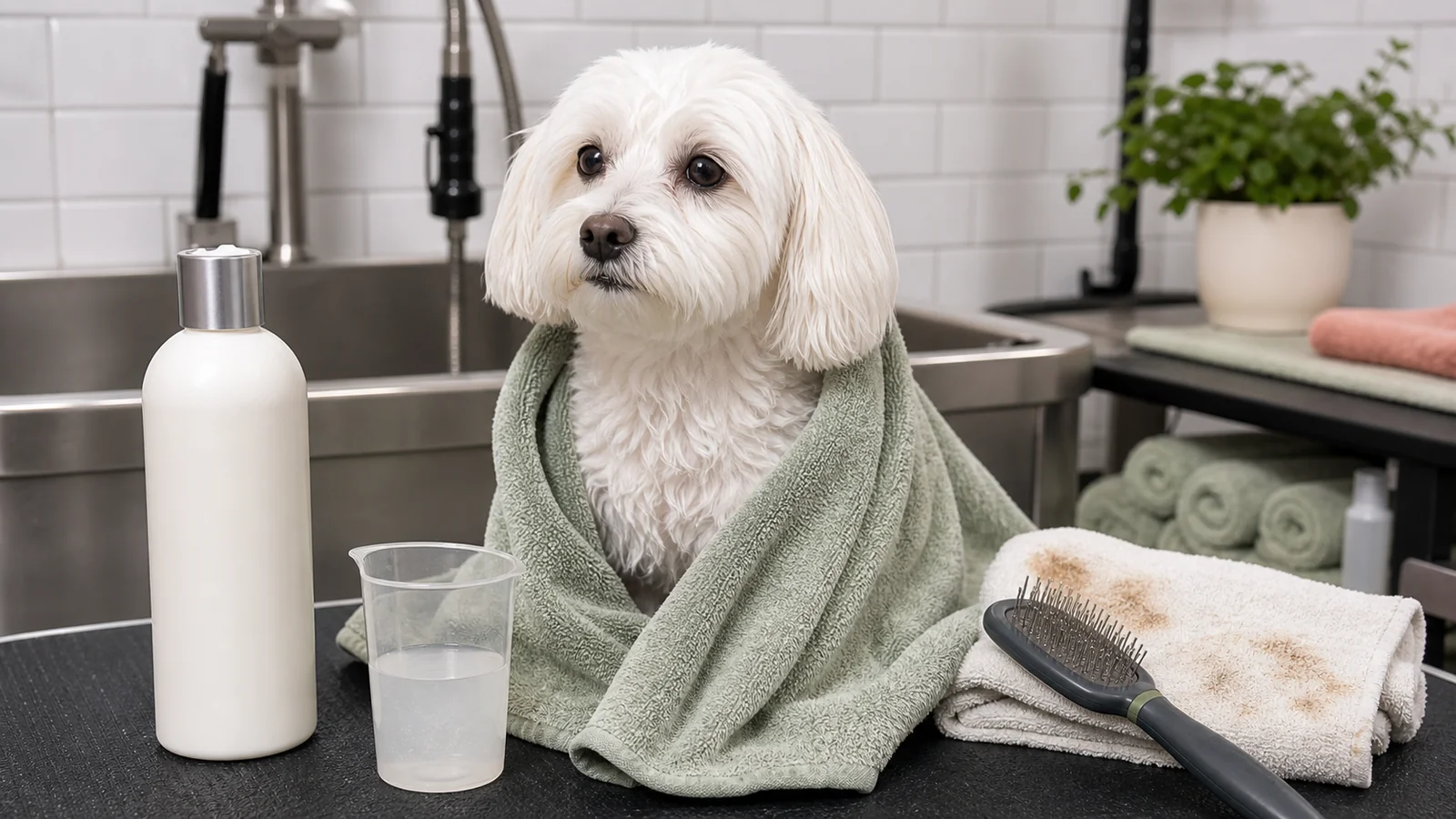
Groomer's Edge Alpha White Shampoo Review
A practical Groomer's Edge Alpha White pet shampoo review for white coats, dilution, stain control, safety, and grooming routines.
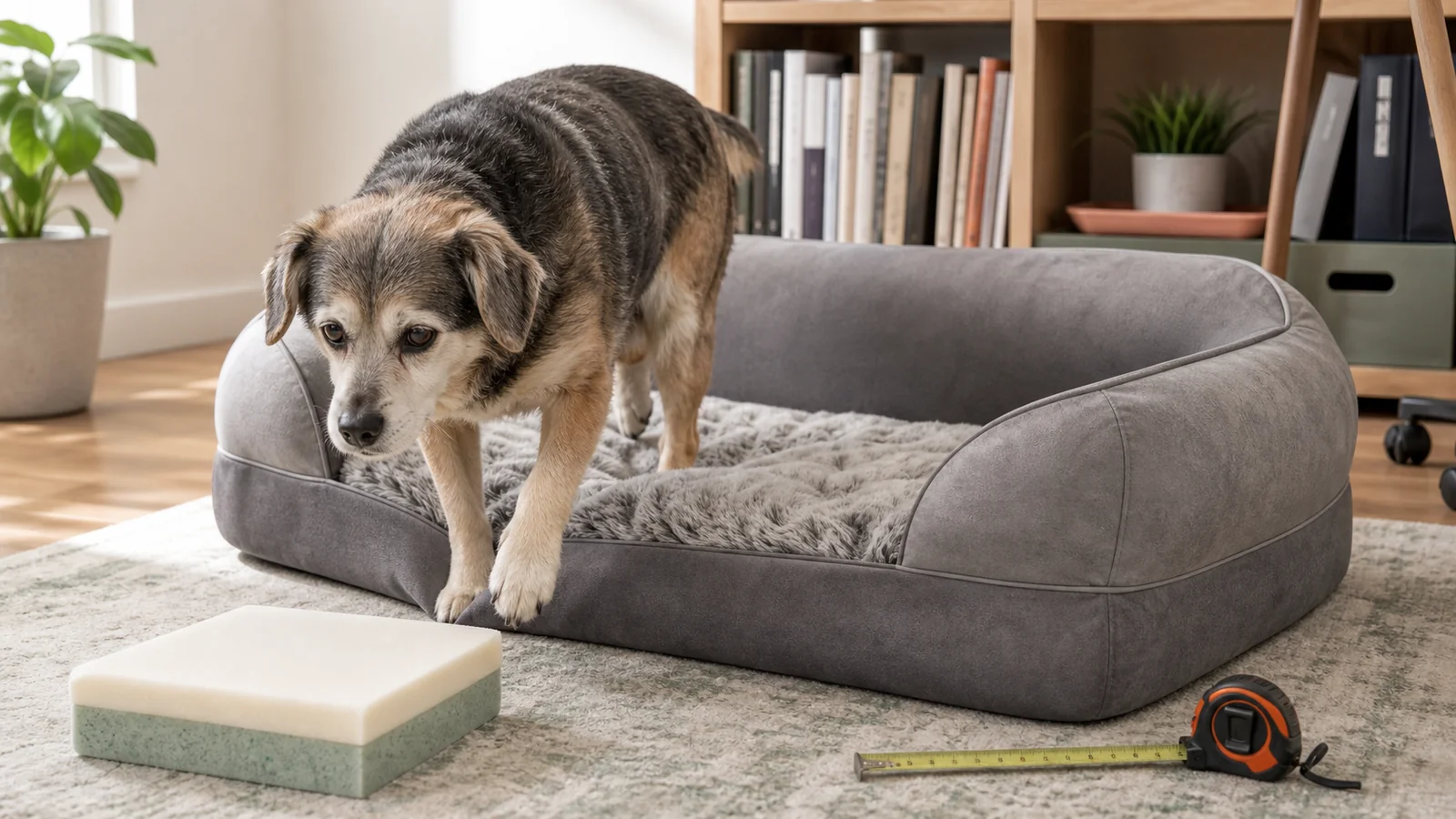
Furhaven Two-Tone Sofa Pet Bed Review
A practical Furhaven two-tone sofa orthopedic pet bed review covering support, bolsters, sizing, cleaning, and best-fit pets.
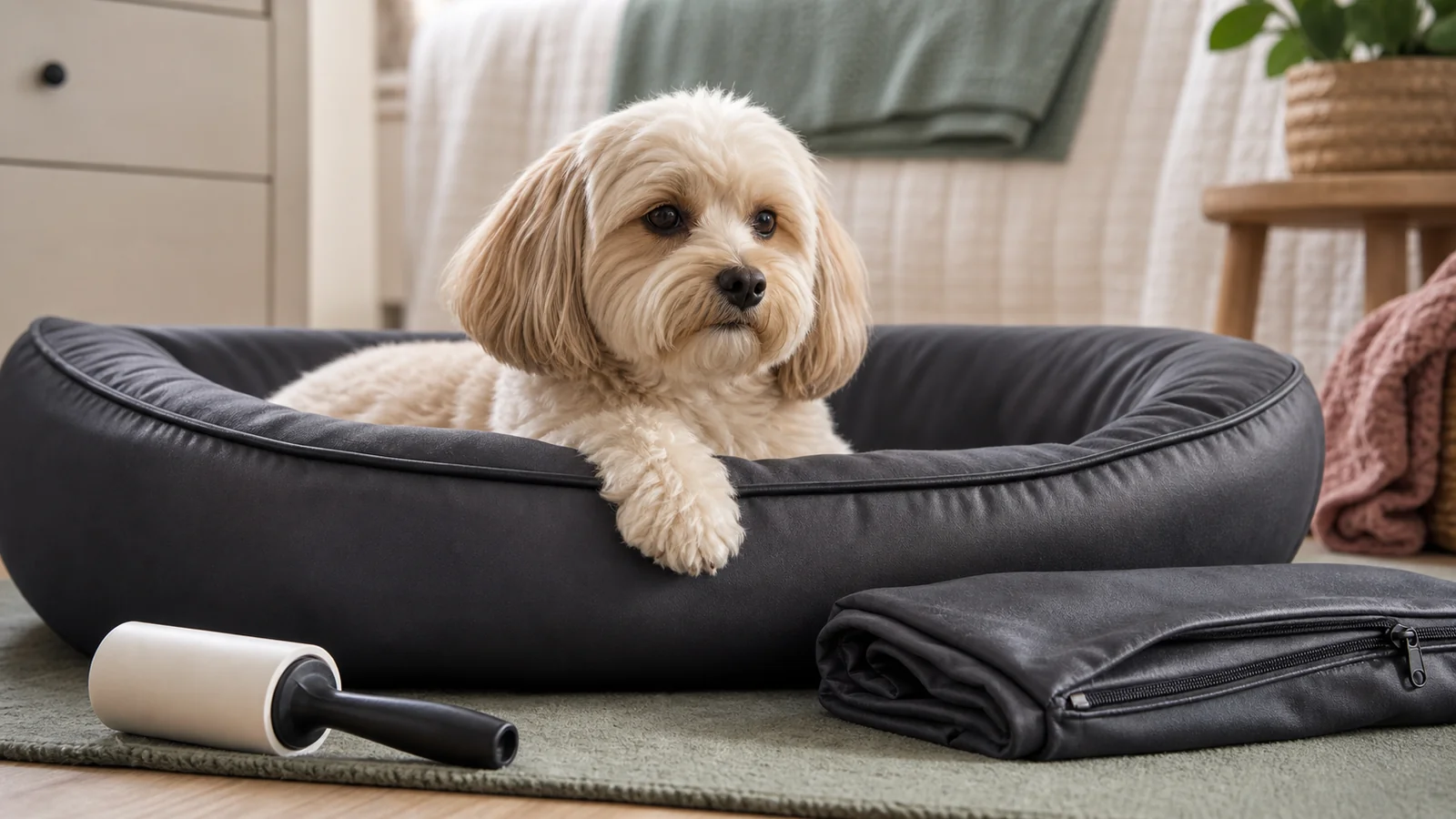
NIGHT Mulberry Silk Pet Bed Review Guide
A practical NIGHT mulberry silk pet bed review covering silk feel, foam support, cleaning, sizing, and which pets fit it best.