Beginner Pet Fish Care: Tank Setup And Daily Routine
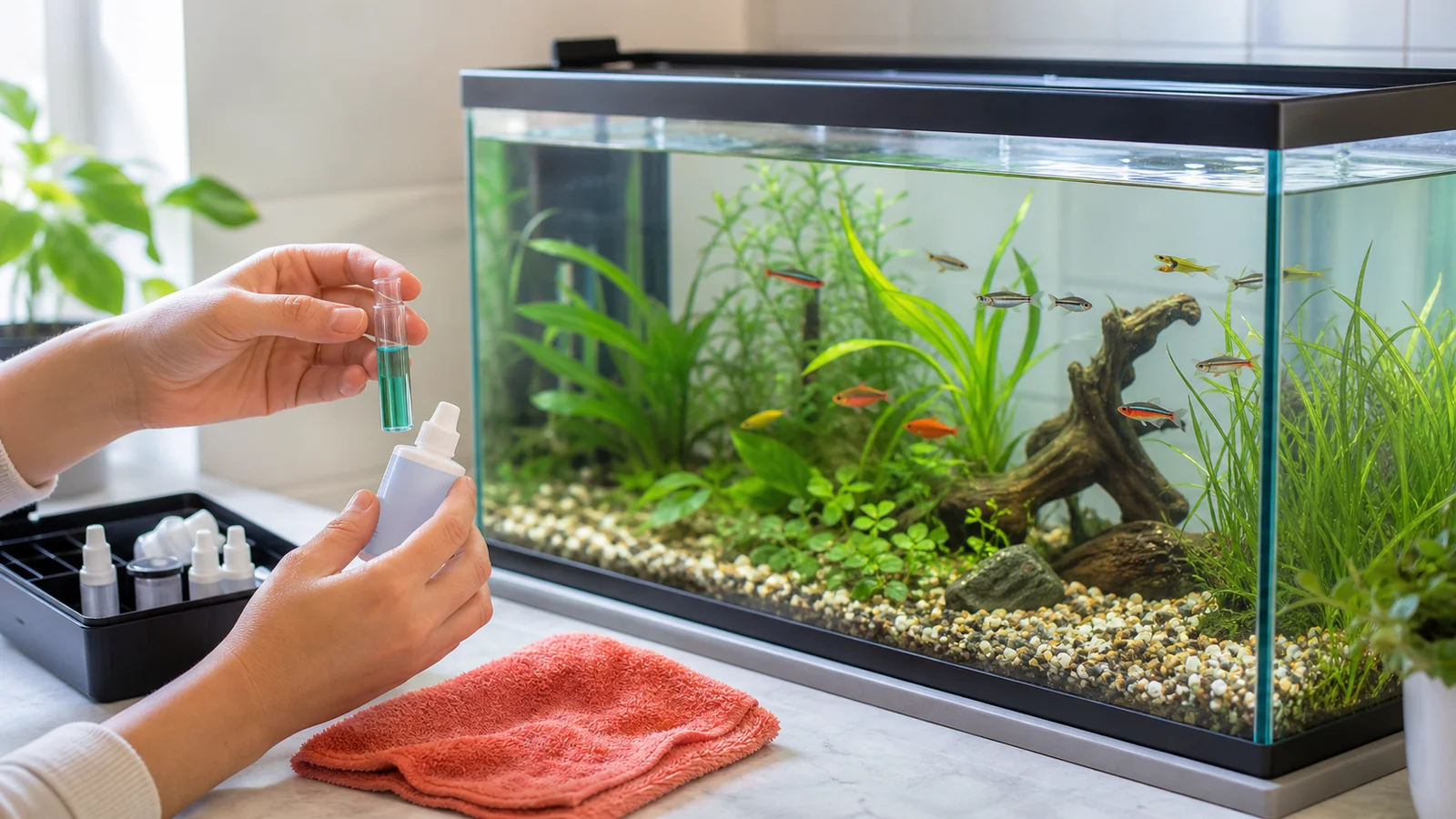
Beginner Pet Fish Care Starts With Water, Not Fish
Pet fish can look like easy first pets because they do not need walks, grooming appointments, or a litter box. The hard part is quieter: they live inside the water you maintain. If that water is unstable, the fish cannot step away from the problem.
For a new owner, the safest approach is to think of the aquarium as a small life-support system. The tank size, filter, heater, water conditioner, test kit, stocking plan, and feeding routine all work together. A pretty tank that is not cycled or is filled with incompatible fish can become stressful very quickly.
This guide focuses on freshwater pet fish for beginners. Saltwater tanks, ponds, and advanced planted aquariums have different demands. If this is your first aquarium, start simple, choose hardy species with matching needs, and build the routine before you add more animals.
Step 1: Choose The Tank Before Choosing Fish
Do not start with a fish bowl. A small bowl is harder to heat, filter, test, and keep stable. A larger rectangular aquarium gives you more water volume, more oxygen exchange, more room for equipment, and more time to catch problems before they become emergencies.
For many beginners, a 10- to 20-gallon freshwater tank is a more forgiving starting point than a tiny desktop bowl. Bigger is not always possible, but “small” does not mean “easier.” The smaller the water volume, the faster ammonia, temperature, and pH can swing.
Match the tank to the adult fish, not the size of the fish at the store. Some popular fish are sold young and grow larger than new owners expect. Goldfish, for example, need much more space and filtration than many beginner bowls or small tanks provide. A betta can be a good first fish in the right heated, filtered aquarium, but it still needs stable water and a thoughtful setup.
Before you commit, write down:
- The adult size of the fish
- Whether it is tropical or coldwater
- Whether it should live alone, in pairs, or in a group
- Its temperament with other fish
- Its preferred temperature and water range
- How messy it is likely to be
If those answers do not fit your tank, choose a different fish instead of trying to force the setup.
Step 2: Gather Core Aquarium Equipment
A beginner pet fish setup needs more than glass and water. At minimum, plan for a tank, lid, filter, heater if the fish is tropical, thermometer, water conditioner, substrate, hiding places, a net, a siphon or gravel vacuum, and a liquid water test kit or reliable test strips.
The filter is not just a dirt catcher. It also gives beneficial bacteria a place to grow. Those bacteria help process fish waste, so do not rinse filter media under untreated tap water or replace all media at once unless the product instructions require it. When possible, rinse reusable media gently in removed tank water during maintenance.
Use water conditioner every time you add tap water unless your water source is already prepared for aquarium use. Chlorine and chloramine are designed to make tap water safer for people, but they can harm fish and the bacteria your tank depends on.
Decor matters too. Fish need cover. Plants, caves, driftwood-style pieces, and open swimming space help reduce stress. Avoid sharp edges, peeling paint, unknown rocks, soap residue, or anything that can trap a fish. Rinse new aquarium-safe decor with plain water before it goes in the tank.
Step 3: Cycle The Tank Before Stocking It
The nitrogen cycle is the part of fishkeeping beginners most often meet too late. Fish release waste. Uneaten food and plant debris break down. That waste can create ammonia, which is dangerous to fish. In a cycled aquarium, beneficial bacteria convert ammonia into nitrite and then nitrate. Nitrate is still something you manage, but it is usually less immediately toxic than ammonia or nitrite.
Running a new tank for a day or two does not make it cycled. Cycling takes patience because the bacteria need time to establish on surfaces, especially in the filter and substrate.
A fishless cycle is usually the kinder beginner method. You set up the aquarium, run the filter and heater, add a controlled ammonia source or fish food as directed by a reliable cycling method, and test ammonia, nitrite, and nitrate until the tank can process waste. This keeps fish out of the tank while ammonia and nitrite are rising.
If you already have fish in an uncycled tank, treat it as a fish-in cycle and be more cautious. Test frequently, feed lightly, use water conditioner correctly, and do partial water changes whenever ammonia or nitrite rises. Do not add more fish while the tank is unstable.
Keep a simple water log during the first weeks. Write down ammonia, nitrite, nitrate, pH, temperature, water changes, and any fish behavior changes. Patterns are easier to manage when they are written down.
Step 4: Add Fish Slowly And Acclimate Carefully
Once the tank is cycled, add fish gradually. The filter bacteria can only handle the waste load they have grown to process. Adding a full community at once can overwhelm the tank and cause water quality problems.
Start with a small number of compatible fish. Watch them for appetite, breathing, color, fin condition, and activity. Test water after adding them, especially during the first week. If ammonia or nitrite appears, slow down and correct the water before adding anyone else.
Acclimation helps reduce stress when fish move from store water to your aquarium. Float the closed bag to match temperature, then gradually mix small amounts of tank water into the bag over time. Do not pour store water into your aquarium if you can avoid it. Use a net to move the fish gently.
Turn the tank light down during the move. Keep the room calm. Do not feed immediately if the fish are stressed; many do better with a quiet settling period.
Step 5: Feed Less Than Your First Instinct
Overfeeding is one of the easiest ways to make a clean-looking aquarium unsafe. Extra food breaks down, adds waste, clouds water, and can push ammonia and nitrate upward. Fish are often eager eaters, but begging does not always mean hunger.
Feed a small amount the fish can finish quickly. Remove obvious leftovers. Most beginner community tanks do better with measured, modest feeding than with a generous pinch every time someone walks by.
Use food that matches the species. Surface feeders, bottom feeders, herbivores, carnivores, and omnivores may need different formats. Flakes are common, but pellets, frozen foods, algae wafers, or gel foods may make sense depending on the fish.
If multiple family members care for the tank, assign one feeding lead or use a weekly checklist. Double feeding by accident can cause more trouble than skipping one meal.
Step 6: Build A Weekly Maintenance Routine
Good fish care is repetitive in the best way. You are not trying to deep-clean the whole aquarium. You are trying to keep the system stable.
For many beginner freshwater tanks, weekly care includes:
- Checking temperature and equipment
- Testing ammonia, nitrite, and nitrate
- Scraping light algae from the glass if needed
- Removing uneaten food or plant debris
- Changing part of the water
- Treating new water before it enters the tank
- Vacuuming part of the substrate if waste is visible
Do not remove all the water, scrub every surface, replace all filter media, and wash the tank like a kitchen dish. That can destroy the bacterial balance you worked to build.
A partial water change is usually safer than a dramatic reset. Match the new water temperature as closely as practical, condition it first, and add it gently. If your test results show a problem, change enough water to reduce the risk, then look for the cause: too many fish, too much food, a clogged filter, a dead plant, or a tank that is not fully cycled.
Common Problems And What To Do
Cloudy water in a new tank is common, but it is a warning to test rather than guess. It may be a bacterial bloom, excess food, disturbed substrate, or an early cycle issue. Test ammonia and nitrite before adding any more fish.
If fish gasp near the surface, check water quality and oxygen. Warm water holds less oxygen, and a filter that is not moving the surface enough can make the problem worse. Test the water, confirm the filter is running, and improve surface agitation if needed.
If fish hide constantly, look at stress. The tank may be too bright, too bare, too busy, or stocked with incompatible tankmates. Add cover, reduce sudden movement around the tank, and confirm the species you chose actually belong together.
If algae grows quickly, reduce excess light, avoid overfeeding, and test nitrate and phosphate if available. Algae is often a symptom of imbalance, not a reason to empty the tank.
If a fish looks sick, isolate the clues before treating. White spots, torn fins, bloating, rapid breathing, clamped fins, or unusual swimming can point to different issues. Test water first because poor water quality can mimic or worsen disease.
Advanced Tips For A Better First Aquarium
Choose one clear stocking plan instead of collecting random fish. A calm betta tank, a small livebearer group, or a planned community tank is easier to manage than a mix of fish with different needs.
Quarantine new fish if you have the space and equipment. A simple spare tank can help you observe newcomers before they join the main aquarium. This is especially useful once your main tank is stable and you do not want to risk introducing illness.
Use live plants if you are willing to learn their basics. Easy plants can use some nitrate, give fish cover, and make the tank feel more natural. They still need suitable light and care, so start with hardy varieties rather than delicate show plants.
Do not chase perfect numbers unless your fish need a specific range. Stable, species-appropriate water is usually better than constant chemical adjustments. Sudden pH changes can be more stressful than a steady reading that is slightly different from a care sheet.
If you are comparing small observation pets before you choose, our jumping spider pet care guide shows a very different low-space setup with its own trade-offs.
FAQ
What is the easiest pet fish for beginners?
There is no single easiest fish for every home. Bettas, some small livebearers, and certain hardy community fish can work well when the tank size, temperature, filtration, and stocking plan fit the species.
How long should a fish tank cycle before adding fish?
Go by test results, not a calendar. A tank is ready when it can process ammonia and nitrite safely and shows a stable pattern. Many new aquariums take several weeks to cycle.
Can pet fish live in a bowl?
A bowl is usually a poor beginner setup because it is hard to filter, heat, oxygenate, and keep stable. Most pet fish do better in a properly sized aquarium with a filter and species-appropriate equipment.
How often should I change aquarium water?
Many beginner freshwater tanks need partial weekly water changes, but the right amount depends on tank size, stocking, feeding, plants, and test results. Use nitrate and overall water quality as your guide.
Why do new fish die after a few days?
Common causes include an uncycled tank, ammonia or nitrite spikes, temperature shock, poor acclimation, incompatible fish, disease, or stress from transport. Test the water first, then review the setup and stocking plan.
Bottom Line
Beginner pet fish care is mostly about patience and consistency. Choose a real aquarium instead of a bowl, cycle it before stocking, add fish slowly, feed lightly, and test the water until you understand your tank’s pattern. When the water stays stable, the fish have a much better chance to settle in and show the calm, interesting behavior that makes aquariums worth keeping.
You might also like
How To Handle A Pet Snake Safely
Handle a pet snake with calmer timing, better body support, safer hygiene, and fewer beginner mistakes.
Pet Lizards for Beginners: Setup And Care Basics
Learn how to choose a beginner pet lizard, build the right habitat, feed safely, and handle with less stress.
Jumping Spider Pet: Beginner Setup And Care Guide
Learn whether a jumping spider pet fits your home, how to set up the enclosure, feed safely, and handle molts.