How To Handle A Pet Snake Safely
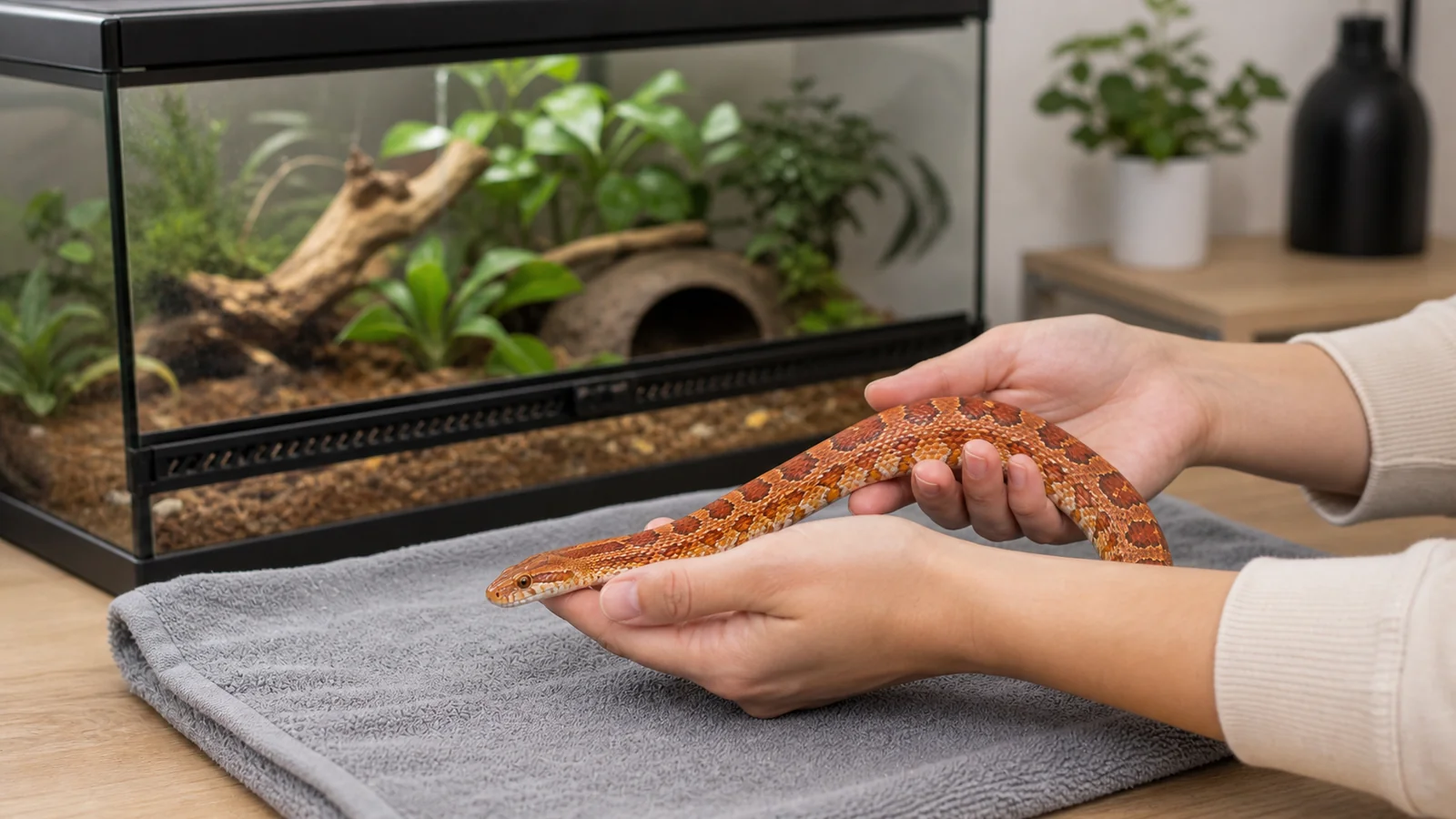
Safe Snake Handling Is Calm, Low, And Planned
Learning how to handle a pet snake safely is less about confidence and more about timing. A calm snake can become stressed if it is grabbed suddenly, lifted too high, handled after eating, or passed around a noisy room. A careful owner slows the moment down before touching the animal.
Most beginner pet snakes, such as corn snakes and ball pythons, can tolerate gentle handling once they are settled and healthy. That does not make them cuddly pets. Handling should be short, supported, and optional. The goal is to move the snake without panic, help it become used to routine care, and avoid injury to the animal or handler.
This guide assumes you are handling a healthy, nonvenomous pet snake of a manageable size. If the snake is very large, defensive, newly rescued, sick, or outside your experience level, ask a reptile veterinarian or experienced keeper for hands-on guidance.
Step 1: Wait For The Right Time
Do not handle a new snake the day it comes home. Give it time to settle into a secure enclosure, find hides, drink, and adjust to the room. Many keepers wait several days to a week or more before the first brief handling session, depending on the snake’s behavior and feeding schedule.
Avoid handling:
- Right after feeding
- During shedding or when the eyes look cloudy
- When the snake is hiding tightly and defensive
- When the enclosure temperatures are wrong
- When the snake is ill, injured, or unusually weak
- When children, dogs, cats, or loud visitors are crowding the area
After a meal, many snakes need quiet digestion time. Handling too soon can stress the snake and may increase the risk of regurgitation. Follow species-specific guidance from your veterinarian or breeder, but when in doubt, wait.
Step 2: Prepare The Room Before Opening The Enclosure
Set up the handling space first. Close doors and windows. Keep other pets out. Clear clutter from the table or floor. Put a clean towel or mat under the handling area so the snake is low, supported, and easier to manage if it moves quickly.
Wash your hands before handling. This removes food smells that could confuse the snake and reduces what you bring into the enclosure. If you recently handled rodents, feeder items, other reptiles, or scented pet products, wash thoroughly and consider changing gloves or sleeves.
Check the enclosure latch, hides, and nearby equipment. You do not want to juggle a snake while realizing the lid is open or the room has an escape gap. For small snakes, even a narrow space behind furniture can become a long search.
Keep the first sessions short. Five to ten minutes is often enough for a beginner routine. You can build time gradually if the snake remains calm and healthy.
Step 3: Read The Snake Before You Touch It
Pause after opening the enclosure. A relaxed snake may flick its tongue, move slowly, and explore. A stressed or defensive snake may pull into a tight S-curve, hiss, strike, flatten, musk, hide hard, or move in frantic bursts.
Do not punish defensive behavior. A snake is not being rude or stubborn; it is responding to fear, hunger, shedding discomfort, poor conditions, or past handling. If the snake looks defensive, close the enclosure and try again another day after checking husbandry.
If your snake mistakes hands for food, review your feeding routine. Feeding with tongs, washing hands, and avoiding rodent scent near handling time can reduce confusion. Do not tease the snake or tap its face to “test” its mood.
Use a snake hook only when it makes sense for the species and size. Some keepers use gentle hook contact to signal that feeding is not happening. For many beginner snakes, calm hands and a consistent routine are enough.
Step 4: Lift From Below And Support The Body
The safest basic movement is to scoop, not grab. Slide one hand under the front third of the body and the other hand under the middle or rear portion. Lift smoothly from below, keeping the snake’s body supported in more than one place.
Avoid lifting by the head, neck, or tail. Do not squeeze. Do not pin the snake unless there is a medical reason and you have proper instruction. A snake’s body may feel strong, but its spine and ribs can be injured by rough handling.
Once the snake is in your hands, let it move through supported hands rather than dangling. Think of your hands as a slow moving branch. Keep the snake low over the towel, your lap, or another safe surface. If it moves forward, guide rather than yank it back.
Do not let a snake wrap around your neck or face. Even small snakes can startle, and larger snakes can create risk quickly. Keep handling visible, controlled, and away from jewelry, loose hair, hoodie strings, and furniture gaps.
Step 5: Keep Sessions Short And Predictable
Short, calm sessions usually work better than long handling marathons. Watch for signs that the snake has had enough: faster movement, repeated escape attempts, tightening around your hand, heavy breathing, musking, hissing, or hiding its head.
Handle one snake at a time. Do not pass the snake between several people during early sessions. If another person wants to learn, let them sit beside you first and watch how the snake moves.
For children, adult control matters. A child should sit low, keep hands open, and avoid squeezing. Young children who cannot stay calm or follow instructions should observe instead of hold.
If the snake bites, stay still. Pulling away can worsen the injury and harm the snake’s teeth or jaw. Most defensive bites from small beginner snakes are minor, but clean the area and review why the bite happened. Hunger, scent, stress, shedding, and rough handling are common triggers.
Step 6: Return The Snake Gently
End the session before the snake is exhausted. Lower it into the enclosure with support under the body. Let it move into a hide or onto a stable surface. Do not drop it from your hands, even a short distance.
Close and latch the enclosure before doing anything else. Check that sliding doors, screen clips, lid locks, and cable gaps are secure. Escape prevention is part of safe handling.
After handling, wash your hands with soap and water. Reptiles can carry Salmonella and other germs even when they look healthy. Clean surfaces if the snake touched a table, towel, or chair. Keep reptile equipment away from food-prep areas and kitchen sinks.
These hygiene steps are not optional extras. They protect you, your household, and the animal’s reputation as a manageable pet.
Common Problems And What To Do
If the snake balls up and refuses to move, keep the session short. A ball python that curls tightly may be frightened. Support it quietly, avoid poking, and return it calmly if it does not relax.
If the snake races through your hands, lower your hands closer to the towel or your lap. Use slow hand-over-hand support, and do not lift higher to “control” it. Fast movement often means the session is too long or the snake is not settled yet.
If the snake hides every time you approach, review the enclosure. It may need more cover, better temperature, a quieter location, or more time in the home. Constant handling can make a shy snake more defensive.
If the snake musks, hisses, or strikes often, pause regular handling and check basics: feeding schedule, shed cycle, heat gradient, hides, enclosure security, and room stress. Repeated defensive behavior is information, not a challenge to win.
If your snake is large enough that one person cannot comfortably support and control it, do not handle alone. Large constrictors need experienced handling plans and, for some sizes, a second trained adult nearby.
Advanced Tips For Safer Handling
Build a routine. Approach from the side, open the enclosure calmly, lift from below, handle briefly, and return the snake before it becomes restless. Repetition helps both you and the animal.
Track handling in a care log along with feeding and shedding. If a normally calm snake becomes defensive, the log can reveal timing patterns.
Use separate feeding and handling cues. You do not need dramatic rituals, but consistency helps. Avoid smelling like feeder rodents during handling, and do not wave warm hands in front of the snake’s face.
Do not use handling to compensate for poor husbandry. A snake that is cold, dehydrated, insecure, or shedding badly needs enclosure improvements more than more time in your hands.
If you are still deciding which reptile fits your household, compare snake ownership with lizard care in our pet lizards for beginners guide.
FAQ
How often should I handle a pet snake?
It depends on the species, age, health, and temperament. Many beginner snakes do well with short sessions a few times a week once settled, with breaks around feeding and shedding.
How long after feeding can I handle my snake?
Wait long enough for digestion based on the snake’s species, meal size, and your veterinarian or breeder’s guidance. Many keepers avoid handling for at least a couple of days after feeding.
Is it safe for kids to hold a pet snake?
It can be safe with calm adult supervision, a manageable snake, low handling height, and strict handwashing. Children who squeeze, run, or ignore instructions should observe instead.
What should I do if my snake bites me?
Stay calm and avoid yanking away. Gently encourage release, clean the bite, and review the trigger. Seek medical advice for deep wounds, infection concerns, or if the snake’s health status is uncertain.
Can I handle a snake while it is shedding?
It is better to avoid routine handling during shed, especially when the eyes are cloudy or the snake is hiding. Shedding snakes may see poorly, feel vulnerable, and become more defensive.
Bottom Line
Safe pet snake handling is a quiet routine: choose the right time, prepare the room, read the snake, support the body from below, keep the session short, and wash up afterward. When you handle with patience instead of force, you protect the snake, reduce stress, and make routine care easier for everyone in the home.
You might also like
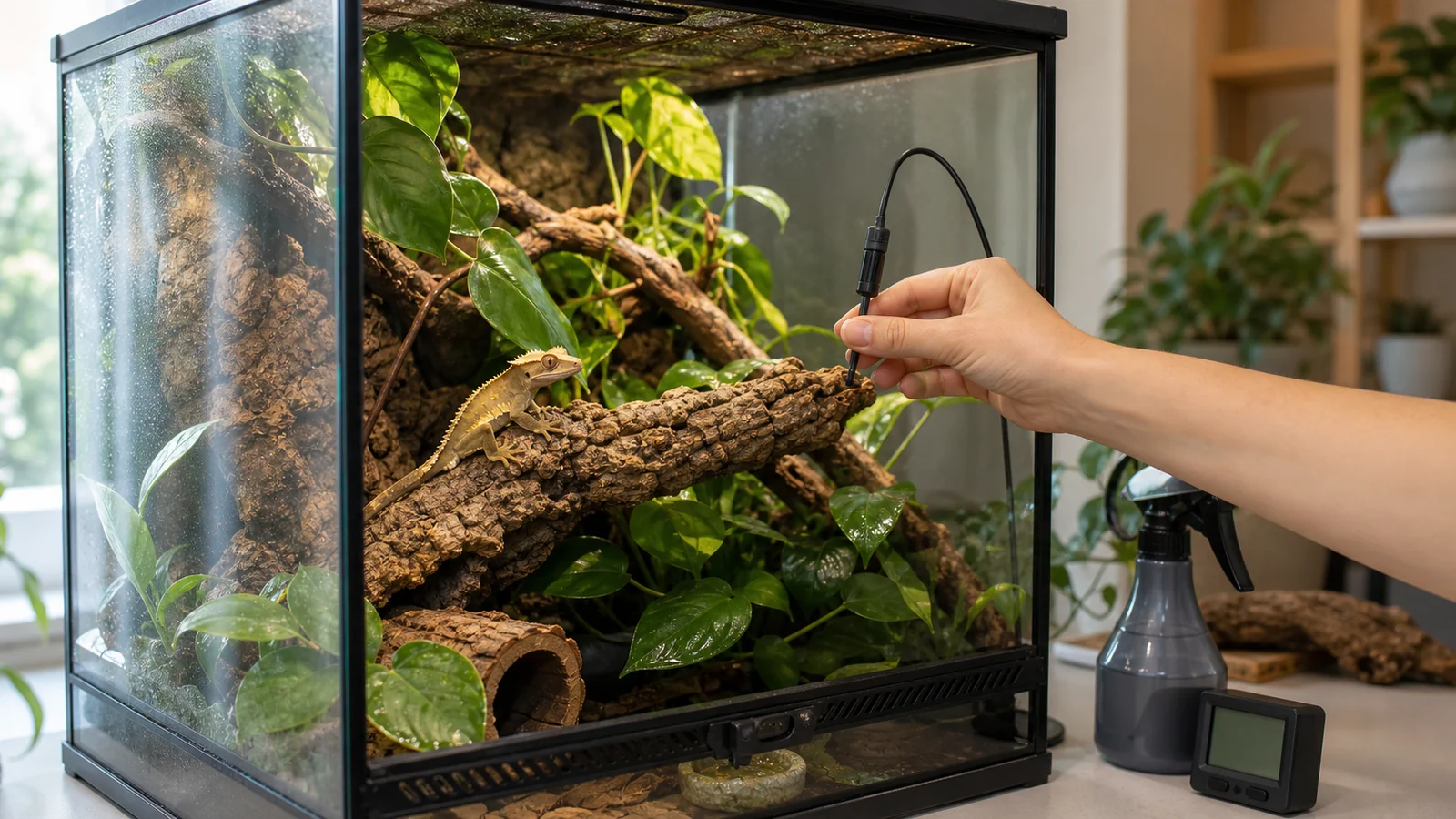
Pet Lizards for Beginners: Setup And Care Basics
Learn how to choose a beginner pet lizard, build the right habitat, feed safely, and handle with less stress.
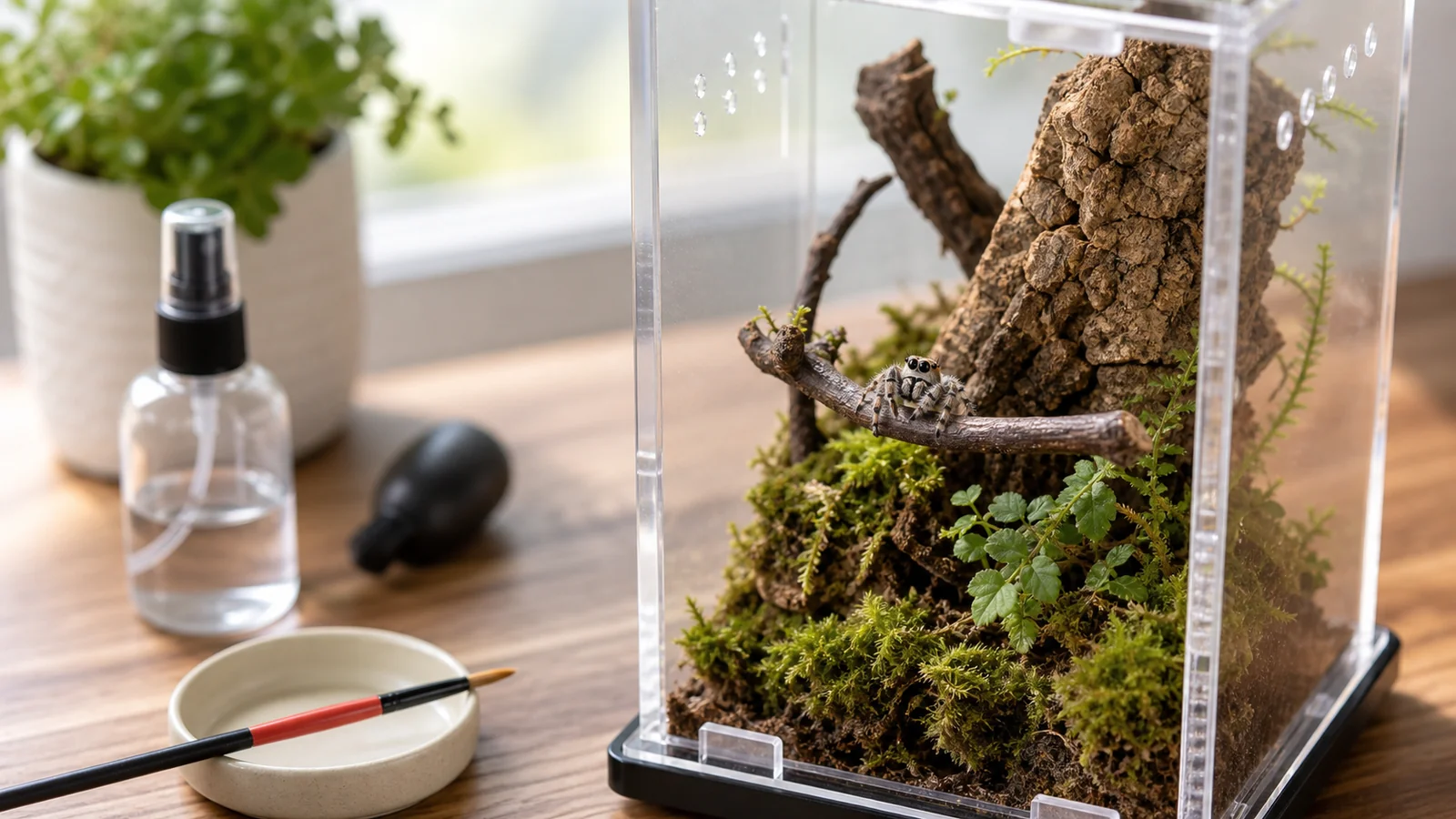
Jumping Spider Pet: Beginner Setup And Care Guide
Learn whether a jumping spider pet fits your home, how to set up the enclosure, feed safely, and handle molts.
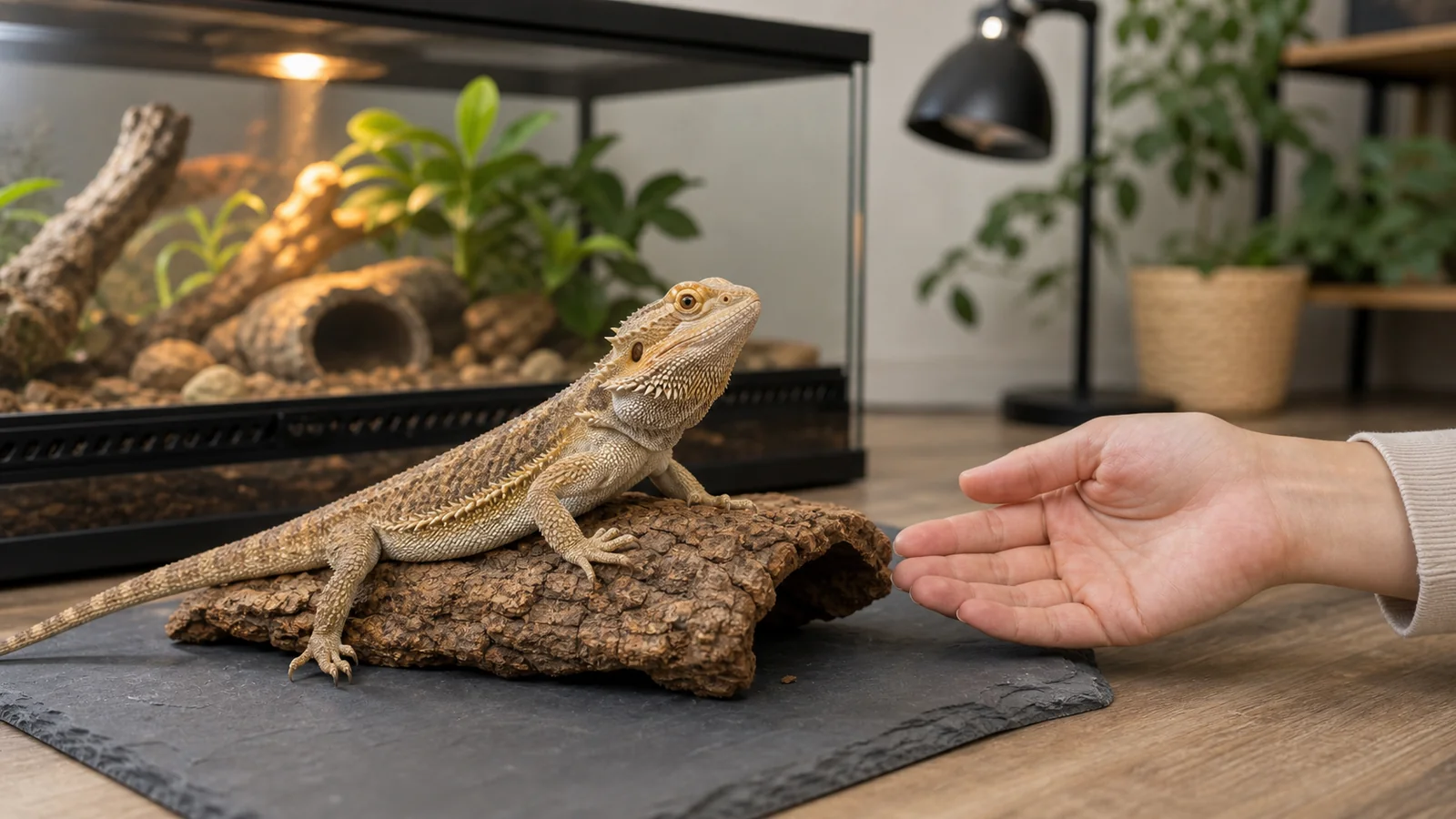
Petting Bearded Dragon Safely: Calm Handling Basics
Learn when and how to pet a bearded dragon, read stress signals, support the body, and keep handling hygienic.