Pet Lizards for Beginners: Setup And Care Basics
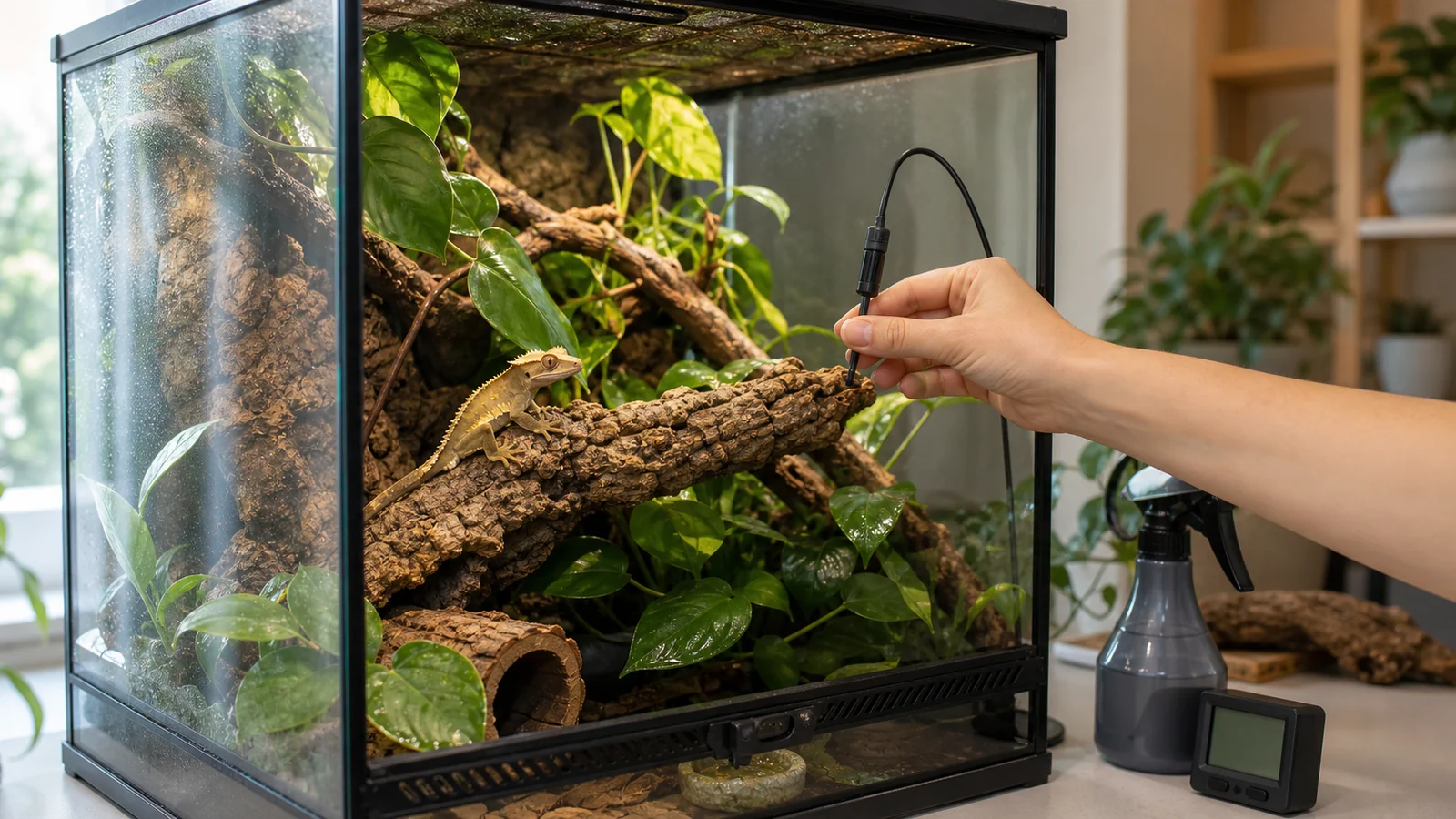
Pet Lizards Are Not One-Size-Fits-All Pets
Pet lizards can be rewarding for owners who enjoy building habitats, watching behavior, and keeping a careful routine. They are also easy to underestimate. A lizard may look calm in a store enclosure, but its long-term health depends on temperature, lighting, humidity, diet, supplements, hygiene, and low-stress handling.
The most important beginner lesson is that “lizard care” is not one universal recipe. A leopard gecko, crested gecko, bearded dragon, blue-tongued skink, and anole may all be lizards, but they do not need the same enclosure or diet. Some need strong UVB exposure. Some need higher humidity. Some eat insects. Some eat greens. Some become large enough that a cheap starter tank becomes useless quickly.
This guide focuses on the process of choosing and preparing for beginner-friendly pet lizards. If you are still comparing reptiles more broadly, our guide to the best beginner low-maintenance pet reptiles can help you compare lizards with snakes and other options.
Step 1: Choose A Species Before Buying Supplies
Do not buy a terrarium first and then ask what can live in it. Start with the species. The adult lizard’s size, activity pattern, climbing style, temperature range, humidity needs, diet, and handling tolerance decide the setup.
Beginner-friendly choices often include leopard geckos, crested geckos, and bearded dragons, but they suit different homes. Leopard geckos are ground-dwelling, insect-eating, and usually manageable for owners who can maintain a dry enclosure with a warm side and hides. Crested geckos need a taller, more humid setup with climbing cover and a prepared gecko diet. Bearded dragons are visible and interactive, but they require a larger enclosure, strong lighting, UVB, basking heat, insects, greens, and more daily food prep.
Ask these questions before you choose:
- How large will the lizard be as an adult?
- Is it captive-bred?
- Does it need UVB lighting?
- What temperature range and basking area does it need?
- What humidity range does it need?
- What does it eat at each life stage?
- How often can it be handled safely?
- Can you find an exotic-animal veterinarian nearby?
If the seller cannot answer basic care questions, slow down. A healthy start depends on better information than a product label or a quick social media clip.
Step 2: Build The Habitat Around Temperature Gradients
Most pet lizards need a thermal gradient. That means one side of the enclosure is warmer and the other side is cooler, so the animal can move to regulate body temperature. A single warm average is not enough.
Use a thermostat with heat sources when appropriate. Measure the basking area, warm side, cool side, and nighttime temperature with reliable thermometers. Stick-on temperature strips can give a rough impression, but they should not be your only measurement tool.
The heat source depends on the species. Some lizards need overhead basking heat. Some setups use under-tank heat with strict thermostat control. Some tropical species need warmth without drying the enclosure too much. Heat rocks are risky because they can create direct-contact burn hazards.
Never guess by touching the substrate with your hand. Your skin does not tell you what a reptile experiences over hours. A lizard that cannot escape excessive heat can become seriously ill.
Step 3: Get Lighting And UVB Right
Lighting is one of the places where pet lizards can quietly suffer. Many diurnal lizards need UVB exposure to help process calcium and maintain healthy bones. Bearded dragons, many skinks, and many day-active species need more lighting planning than a simple viewing bulb.
UVB bulbs do not last forever, even when they still glow. Follow the bulb manufacturer’s replacement schedule and measure distance carefully. Screen tops, bulb type, reflector quality, and decor height can all change how much UVB reaches the animal. The lizard should also have a way to move out of the brightest area.
Some nocturnal or crepuscular geckos may have different UVB needs, but “does not bask like a bearded dragon” should not automatically mean “needs no lighting plan.” Read species-specific care from reliable sources and ask a reptile veterinarian or experienced keeper when you are unsure.
Keep a day-night cycle consistent. Reptiles need dark rest periods. Avoid colored night bulbs that keep the enclosure visibly lit all night.
Step 4: Manage Humidity, Hides, And Substrate
Humidity needs vary widely. A crested gecko may need regular misting and a well-ventilated planted-style habitat. A leopard gecko usually needs a drier enclosure plus a humid hide for shedding. A bearded dragon needs a much different balance with strong basking heat and dry areas.
Use a hygrometer and watch the animal. Stuck shed on toes, tail tips, or around eyes can signal humidity or shedding support problems. Constant condensation, musty smells, or damp substrate can point to poor airflow or over-misting.
Every beginner lizard setup needs hiding options. A lizard that has no cover may look “social” because it is always visible, but it may actually be stressed. Provide hides or cover in the right temperature zones. Arboreal lizards need vertical cover, branches, cork, vines, and foliage. Ground-dwelling lizards need secure hides, texture, and safe floor space.
Choose substrate carefully. Loose substrate can work in some well-managed adult setups, but it can be risky in poorly heated or poorly fed enclosures. Paper towel, tile, reptile carpet alternatives, or species-appropriate soil mixes each have trade-offs. Avoid cedar, pine shavings, dusty bedding, sharp gravel, and anything treated with chemicals.
Step 5: Feed The Right Diet And Supplements
Pet lizards do not all eat the same thing. Some need live insects. Some use prepared diets. Some need leafy greens and vegetables. Some eat fruit as part of a species-specific plan. The diet should match the species and life stage.
For insect-eating lizards, feeder quality matters. Gut-load feeders when appropriate, dust with calcium or vitamins on the schedule recommended for the species, and do not leave risky live prey roaming in the enclosure. Crickets can bite a resting reptile, especially if the lizard is weak or about to shed.
For bearded dragons and other omnivores, age changes the routine. Young animals often need more insect protein, while adults may need more plant matter. Do not rely on lettuce as a meaningful diet. Learn safe greens, vegetables, and insects before the animal arrives.
For crested geckos, a complete prepared diet can simplify feeding, but it still needs correct mixing, freshness, and cleanup. Remove old food before it spoils. Offer insects only in safe sizes and as part of the care plan.
Fresh water should always be available in a species-appropriate way. Some lizards drink from bowls, some lick droplets, and some need both humidity and access to clean water. Clean dishes often.
Step 6: Handle Calmly And Protect Hygiene
Handling should be slow, low, and optional. Let the lizard settle for several days or longer before trying regular handling. Start with short sessions near a soft surface. Support the body. Do not grab the tail. Some species can drop their tails, and even species that do not can be injured by rough handling.
Watch body language. Fast breathing, gaping, tail whipping, biting, frantic climbing, dark stress coloration, or constant escape attempts are signs to pause. A lizard that tolerates handling is not the same as a dog that seeks it.
Reptiles can carry Salmonella and other germs even when they look healthy. Wash hands after touching the lizard, enclosure, substrate, dishes, or feeding tools. Keep reptiles away from food-prep areas. Do not clean reptile equipment in the kitchen sink. Supervise children closely, and do not let anyone kiss a reptile.
These habits protect your household and your pet. They are not signs that a lizard is dirty or bad; they are part of responsible reptile care.
Common Problems And What To Do
If your lizard will not eat, check temperature first. A cold reptile may not digest or hunt normally. Also consider stress, recent relocation, shedding, illness, inappropriate food size, and poor enclosure layout.
If shedding is incomplete, review humidity, hides, hydration, and surfaces. Do not pull stuck shed forcefully. That can damage skin. Improve the environment and ask an exotic veterinarian if toes, tail tip, or eyes are involved.
If the enclosure smells bad, it is not normal. Remove waste, check moisture, improve ventilation, and review substrate. A healthy reptile enclosure should not smell sour or rotten.
If the lizard stays hidden all day, compare that behavior with the species’ normal schedule. A crepuscular gecko may hide during daylight. A normally visible basking lizard hiding constantly may be stressed, too cold, too exposed, or unwell.
If your lizard looks weak, swollen, twitchy, very thin, bloated, or unable to use its limbs normally, contact an exotic veterinarian. Lighting, calcium, diet, dehydration, parasites, and infections can become serious quickly.
Advanced Tips For Better Lizard Care
Set up and run the enclosure for at least several days before bringing the lizard home. Check temperatures and humidity at different times of day. Adjust the setup while no animal is inside it.
Keep a care log. Record feeding, shedding, weight, cleaning, bulb changes, supplements, and behavior. A simple notebook can help you spot slow changes before they become obvious problems.
Quarantine new reptiles if you already keep others. Use separate tools when possible and wash hands between enclosures. Do not house different species together. Even animals from similar habitats can stress, injure, or expose each other to disease.
Budget for replacement bulbs, feeder insects, supplements, substrate, vet care, and enclosure upgrades. The purchase price of the lizard is rarely the real cost of care.
FAQ
What is the best pet lizard for beginners?
For many beginners, leopard geckos and crested geckos are the most manageable choices. Bearded dragons can also be good pets, but they need more space, lighting, diet variety, and daily care.
Do pet lizards need UVB?
Many do, especially day-active basking species. Some geckos have different needs, but you should check species-specific guidance instead of assuming UVB is optional.
Can pet lizards be handled?
Some tolerate gentle handling, but handling should be short, calm, and low to the ground. Many lizards are better observation pets than hands-on companions.
What do beginner pet lizards eat?
It depends on the species. Leopard geckos eat insects, crested geckos often eat a prepared gecko diet with insect variety, and bearded dragons eat insects plus greens and vegetables.
Are pet lizards safe for kids?
They can be safe with adult supervision, careful handling, and strict handwashing. They are not ideal for very young children who may squeeze, drop, kiss, or touch their mouths after handling reptiles.
Bottom Line
Pet lizards are best for owners who like careful setup as much as the animal itself. Choose the species first, build the habitat around its adult needs, measure heat and humidity, feed the right diet, and handle gently. When the environment is right, a beginner lizard can be fascinating to watch and manageable to care for. When the setup is guessed, even a hardy species can struggle.
You might also like
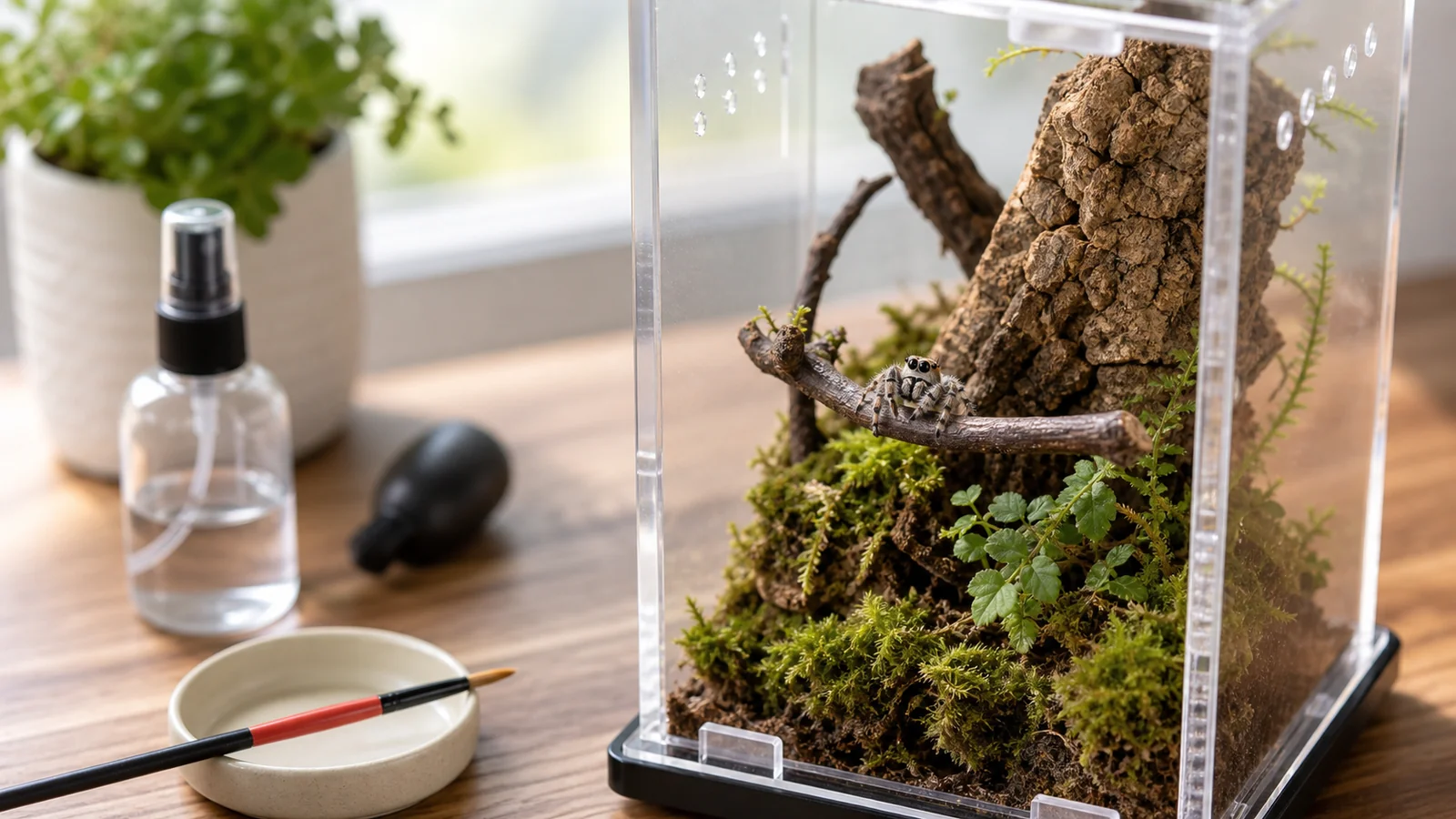
Jumping Spider Pet: Beginner Setup And Care Guide
Learn whether a jumping spider pet fits your home, how to set up the enclosure, feed safely, and handle molts.
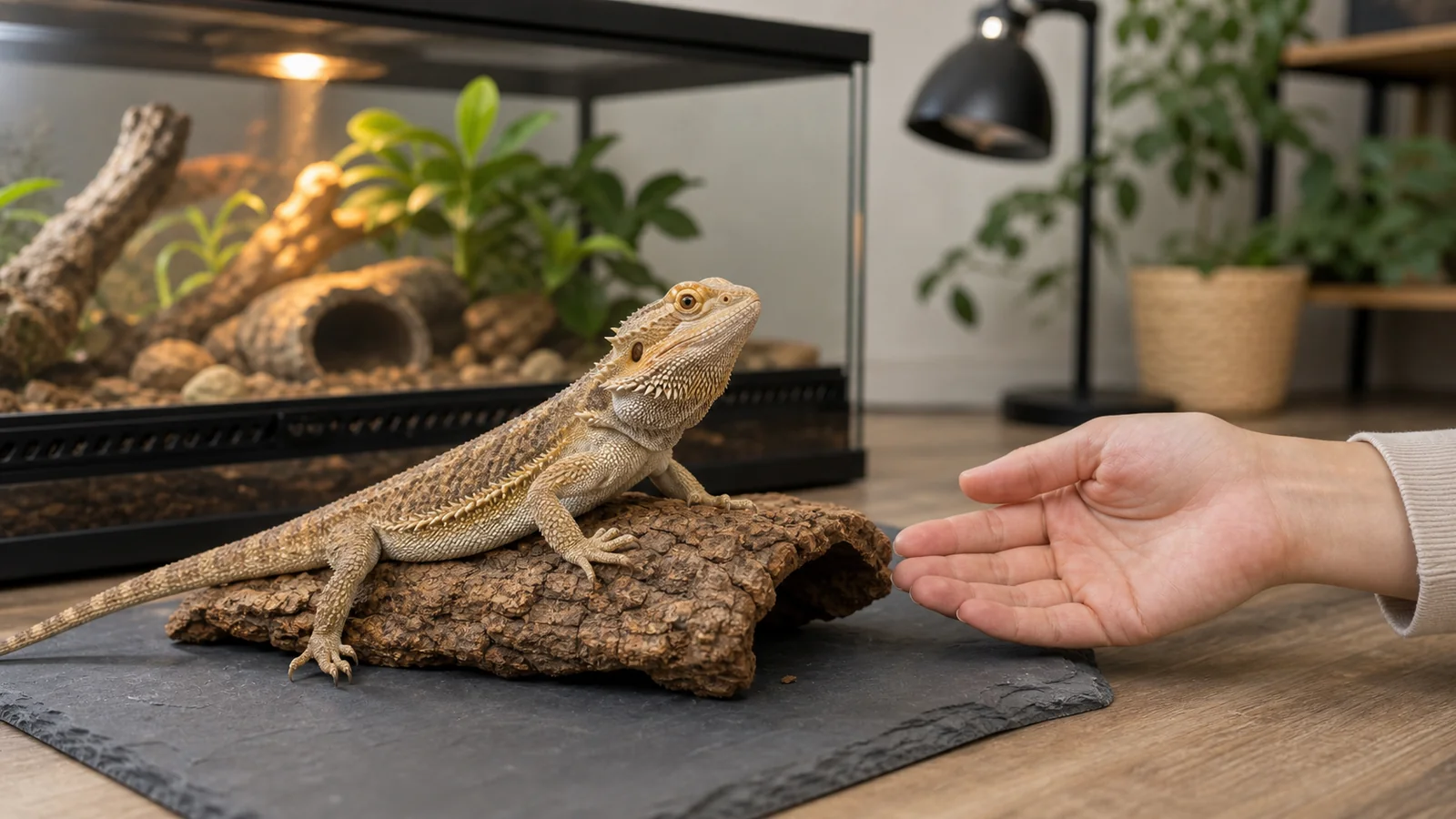
Petting Bearded Dragon Safely: Calm Handling Basics
Learn when and how to pet a bearded dragon, read stress signals, support the body, and keep handling hygienic.
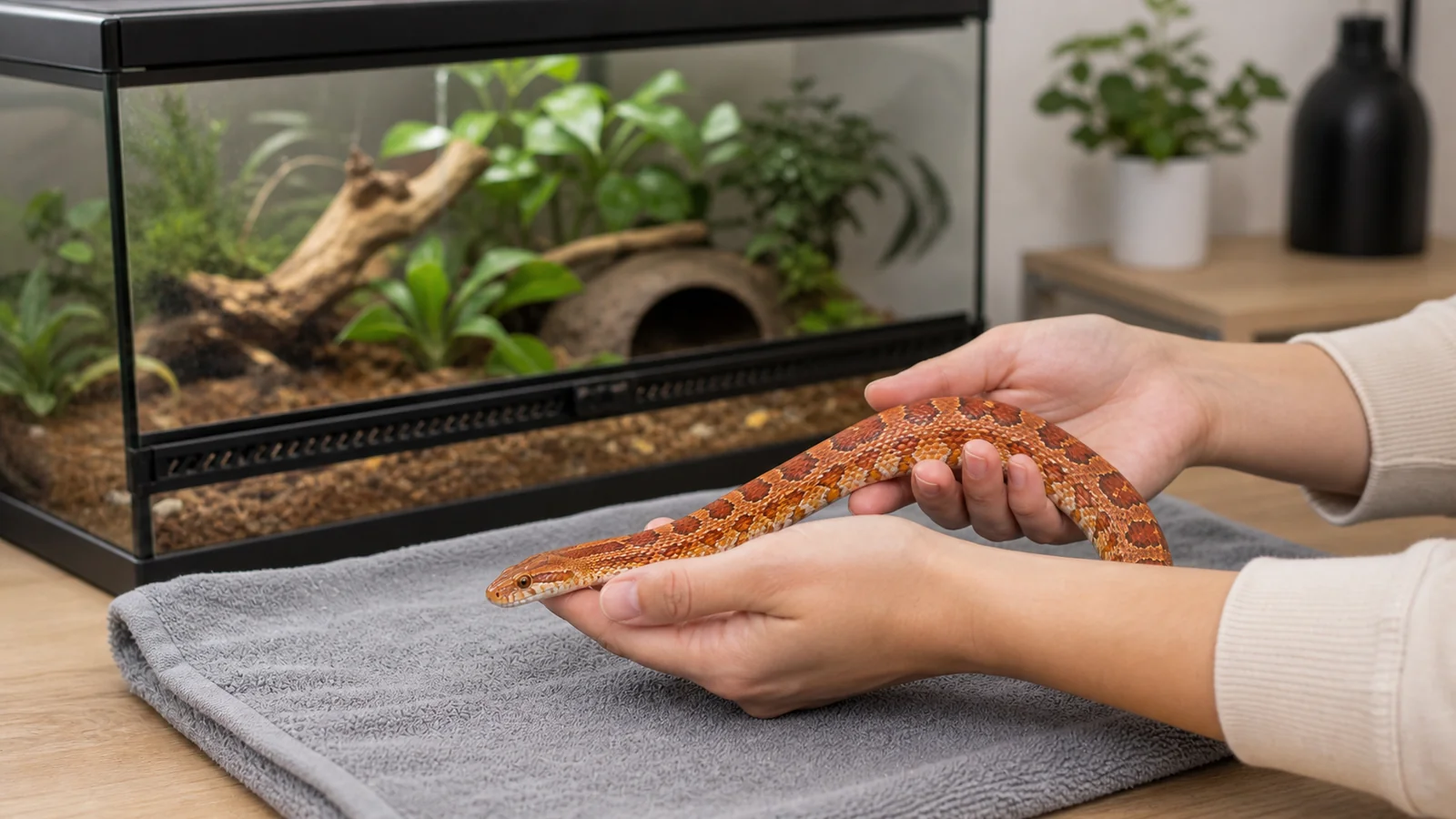
How To Handle A Pet Snake Safely
Handle a pet snake with calmer timing, better body support, safer hygiene, and fewer beginner mistakes.