How To Choose A Pet Groomer You Can Trust
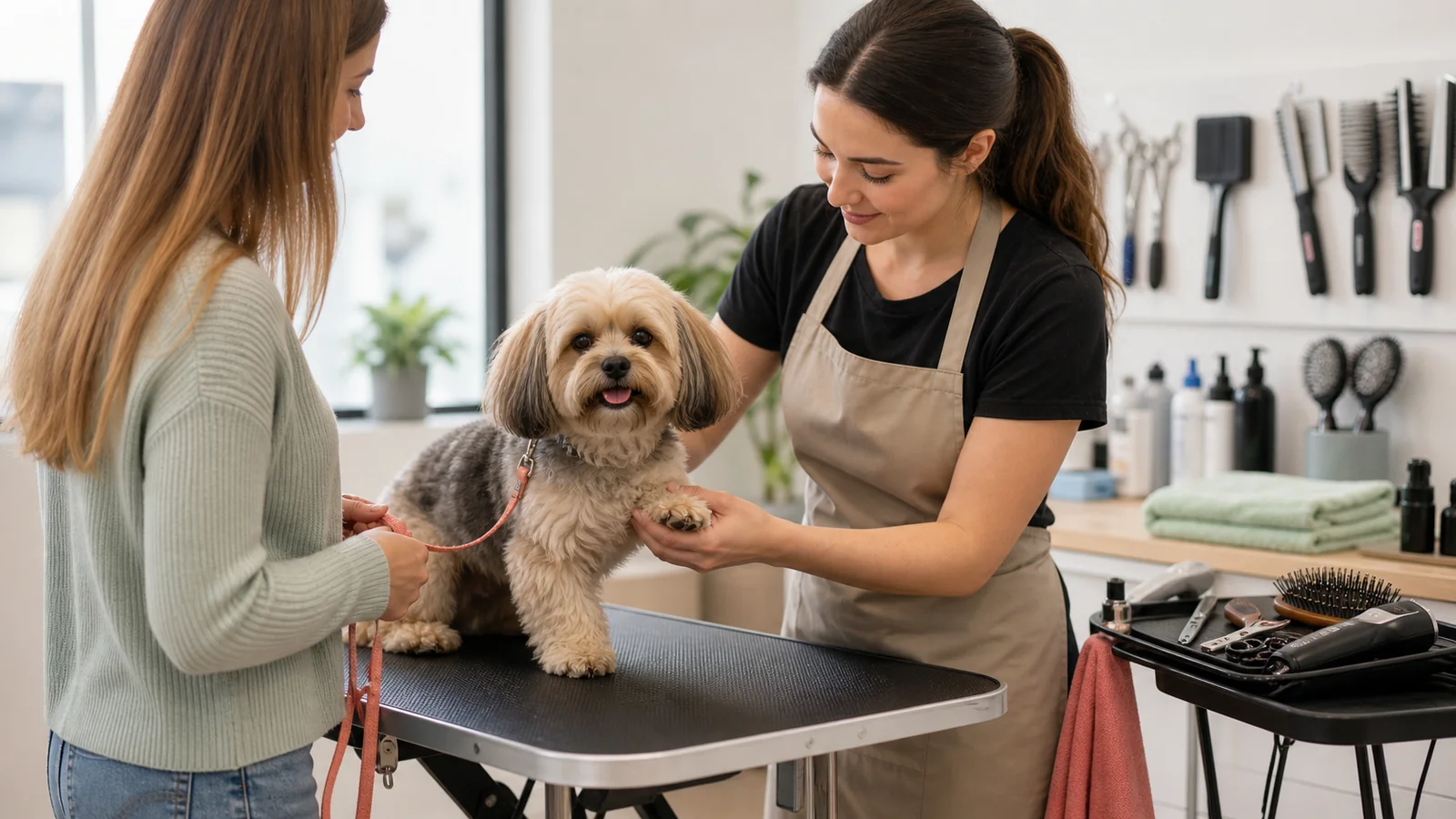
A Good Pet Groomer Is More Than A Nice Haircut
Choosing a pet groomer is not just about finding the closest appointment or the cutest before-and-after photo. Grooming can involve bathing, drying, brushing, nail trimming, ear cleaning, sanitary trims, mat removal, and sharp tools near sensitive skin. The right groomer knows how to make the result look neat without ignoring safety or stress.
For many pets, grooming is also health care support. A groomer may notice skin irritation, fleas, ear odor, overgrown nails, mats close to the skin, lumps, or pain signals that owners miss at home. They are not a replacement for a veterinarian, but they can be an important set of trained eyes.
This guide focuses on how to choose a pet groomer for dogs and cats in everyday U.S. households. The same principles apply whether you are booking a salon visit, mobile grooming van, or one-on-one home-based groomer.
Step 1: Match The Groomer To Your Pet
Start with your pet’s actual needs. A calm short-haired dog that needs baths and nail trims has a different risk profile than a matted doodle, double-coated senior dog, anxious rescue, flat-faced breed, giant breed, or long-haired cat.
Write down what your pet needs before you call:
- Species, breed mix, age, and weight
- Coat type and matting level
- Nail condition
- Skin, ear, or allergy issues
- Bite history or handling fears
- Medical conditions or mobility limits
- Whether your pet has been groomed before
- What went well or badly at past appointments
A trustworthy groomer will want this information. They may recommend a shorter first visit, a comfort groom, a veterinary groomer, or a vet visit before grooming if the pet has severe matting, pain, or medical concerns.
Be honest about behavior. Hiding bite history or panic responses does not protect your pet; it puts everyone at risk. Good groomers would rather plan safely than be surprised on the table.
Step 2: Ask About Training, Experience, And Limits
Pet grooming is not licensed the same way in every place, so a polished website does not tell the whole story. Ask how the groomer learned, how long they have worked with pets like yours, whether they pursue continuing education, and whether they have training in pet first aid or low-stress handling.
Certification can be a good sign, but it is not the only sign. Experience with your pet’s coat, body type, and temperament matters. A groomer who mostly works with small companion dogs may not be the right fit for a giant double-coated breed. A dog-focused salon may not be ideal for a cat unless they have specific cat grooming experience and a cat-safe setup.
Ask direct questions:
- What pets do you groom most often?
- Have you groomed this coat type before?
- How do you handle mats close to the skin?
- What happens if my pet becomes too stressed?
- Do you use kennel dryers, hand dryers, or both?
- What safety equipment do you use on the table and in the tub?
- What would make you stop a groom and call me?
The best answers are specific and calm. Be cautious if someone promises perfection before seeing the pet or dismisses stress as “bad behavior.”
Step 3: Look At The Salon Or Mobile Setup
Clean does not have to mean fancy. A good grooming space should look organized, ventilated, and manageable. Tools should be in reasonable order. Tables and tubs should be cleaned between pets. Pets waiting nearby should not appear panicked, overheated, or crowded.
Notice sound and pace. Some salons are busy but controlled. Others feel chaotic. If your pet is nervous, ask whether quieter appointment times or one-on-one grooming are available.
For mobile grooming, ask where the pet will be during the service, how equipment is cleaned, how drying is handled, and what happens if the pet needs a break. Mobile grooming can be easier for some pets because there is no waiting room, but the small space still needs safe handling and airflow.
Step 4: Review Safety And Handling Policies
A groomer should be able to explain safety without sounding defensive. Grooming tables often use loops or supports, but those tools must be used carefully and never as a substitute for supervision. Pets should not be left unattended on tables or in tubs.
Ask about drying. High-velocity dryers are useful for many coats, but heat and stress need attention. Flat-faced breeds, seniors, puppies, cats, pets with heart or breathing issues, and very anxious animals may need special handling. Heated cage drying is a red-flag topic to discuss clearly. You should know what type of dryer is used, how pets are monitored, and whether your pet will ever be left alone while drying.
For matted pets, humane handling matters. Severe mats can pull skin, hide wounds, and make brushing painful. A safe groomer may recommend shaving mats rather than painfully brushing them out. That can be emotionally hard for owners who wanted a fluffy trim, but comfort should come before appearance.
If sedation is discussed, it belongs under veterinary direction. Groomers should not casually sedate pets on their own.
Step 5: Start With A Low-Pressure First Appointment
Your first visit does not need to be a full makeover. For a nervous pet, consider a bath and tidy, nail trim, face trim, or meet-and-greet first. The goal is to learn how your pet handles the environment and how the groomer communicates.
Arrive with clear instructions, but stay realistic. Bring photos if you want a certain style. Tell the groomer what matters most: easy maintenance, less shedding, mat prevention, sanitary comfort, paw trimming, or breed-style appearance.
Ask when they will call. A good plan includes communication if the coat is more matted than expected, the pet becomes stressed, skin issues appear, or the groom needs to change.
After pickup, check your pet calmly. Look for unusual redness, nicks, limping, coughing, extreme tiredness, or behavior changes. Mild tiredness can happen after a big groom, but serious symptoms need a veterinarian.
Step 6: Judge The Relationship Over Time
The best pet groomer relationship gets easier with repetition. Your pet learns the routine. The groomer learns coat patterns, sensitive spots, and behavior signals. You learn how often the coat needs maintenance before mats form.
Keep notes after each appointment:
- What services were done
- How long the appointment took
- How your pet acted afterward
- Any skin, ear, nail, or mat concerns
- What the groomer recommended for home care
- When the next appointment should be
If your pet consistently comes home distressed, injured, or worse each time, do not ignore the pattern. Some pets truly struggle with grooming, but the plan should adapt. That may mean shorter visits, a different groomer, veterinary support, or more home desensitization.
Red Flags To Take Seriously
Be cautious if a groomer refuses basic questions, will not explain drying or restraint methods, promises painless dematting of severe mats, mocks fearful pets, uses rough handling, overcrowds the space, or will not call when the plan changes.
Other warning signs include vague pricing that changes dramatically without explanation, dirty tools, strong odor, pets left unattended on tables, no emergency plan, or pressure to do cosmetic services your pet does not tolerate.
Online reviews can help, but read them carefully. A single style complaint is different from repeated safety concerns. Look for patterns in communication, injuries, missed instructions, and how the business responds.
If something feels wrong during a visit, you can pause. A professional groomer may not agree with every owner preference, but they should be able to explain their reasoning clearly and respectfully.
Home Care Between Grooming Visits
A good groomer should help you maintain the coat between appointments. Ask which brush or comb to use, how often to brush, how to check ears and paws, and when nails need trimming.
Do not wait until mats are tight to book. Long-coated and curly-coated pets may need a regular schedule. Double-coated pets need brushing and proper coat care, not random shaving unless there is a medical or severe matting reason.
For pets that hate grooming, practice tiny handling exercises at home. Touch paws briefly, reward calm behavior, brush for short sessions, and stop before a fight starts. The goal is not to complete a full groom at home; it is to make professional grooming less scary.
FAQ
How do I know if a pet groomer is good?
Look for clear communication, clean equipment, calm handling, relevant experience, safety policies, and a willingness to stop or adjust if your pet is stressed or uncomfortable.
Should I choose the cheapest groomer?
Price matters, but the cheapest option is not always safer or better. Compare experience, handling style, appointment structure, and what is included before judging by cost alone.
Can a groomer remove severe mats?
Yes, but humane mat removal may mean shaving the coat short instead of brushing painful mats out. Severe matting can hide skin problems and may need veterinary care.
Are mobile pet groomers better?
Mobile grooming can be calmer for some pets because there is no crowded salon. It still depends on the groomer’s skill, equipment, sanitation, drying methods, and emergency plan.
What should I tell a new groomer?
Share your pet’s age, breed mix, coat history, medical issues, behavior concerns, bite history, past grooming experiences, and what result matters most to you.
Bottom Line
The right pet groomer combines technical skill with patience, safety, and honest communication. Ask specific questions, start with a realistic first appointment, watch how your pet responds, and choose comfort over cosmetic perfection. A good groom should leave your pet cleaner, safer, and easier to care for, not frightened or hurt.
You might also like
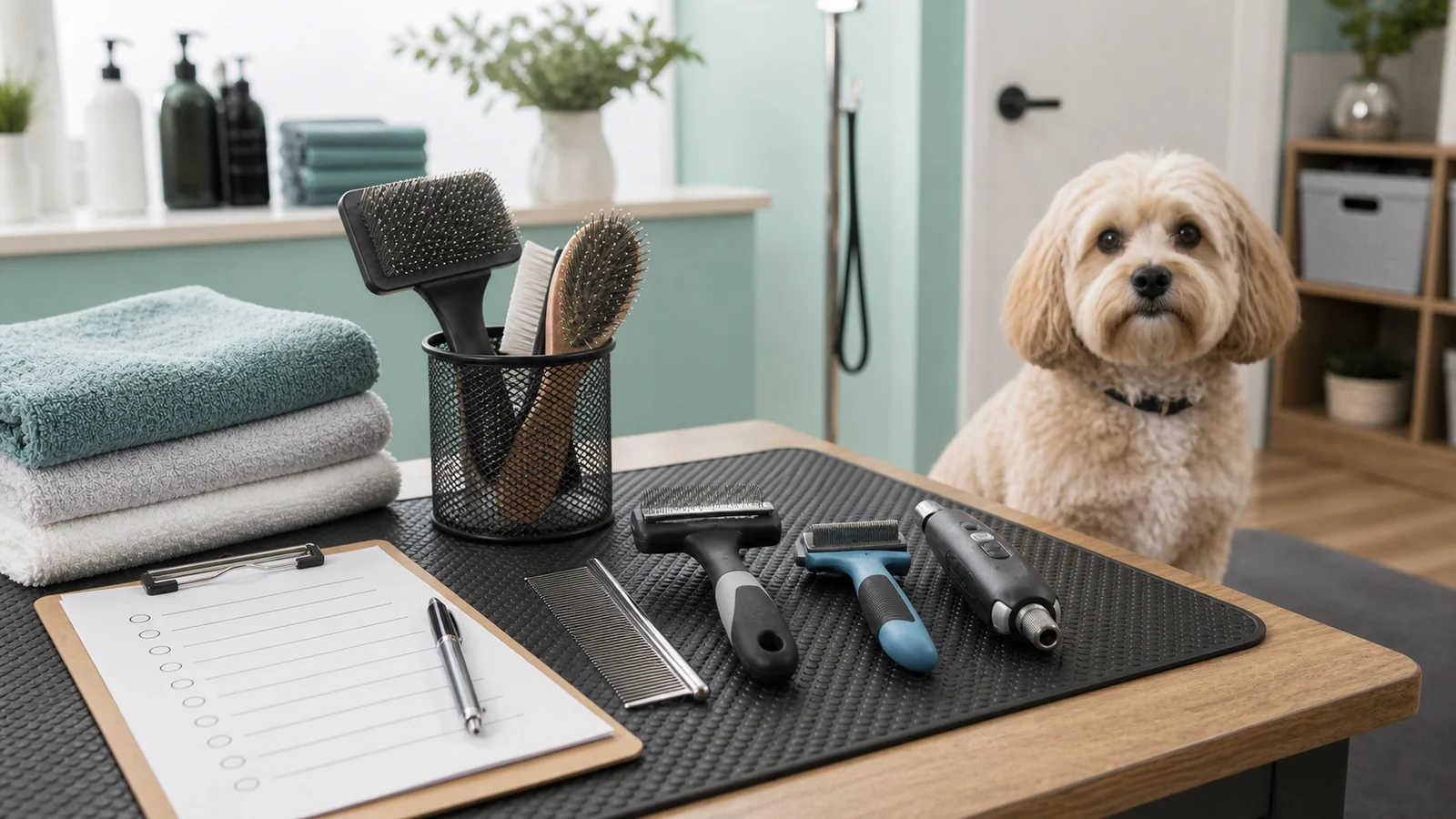
Pet Groomers Near You: Booking Checklist
Compare pet groomers with a practical checklist for reviews, safety questions, pricing, first visits, and special-care pets.
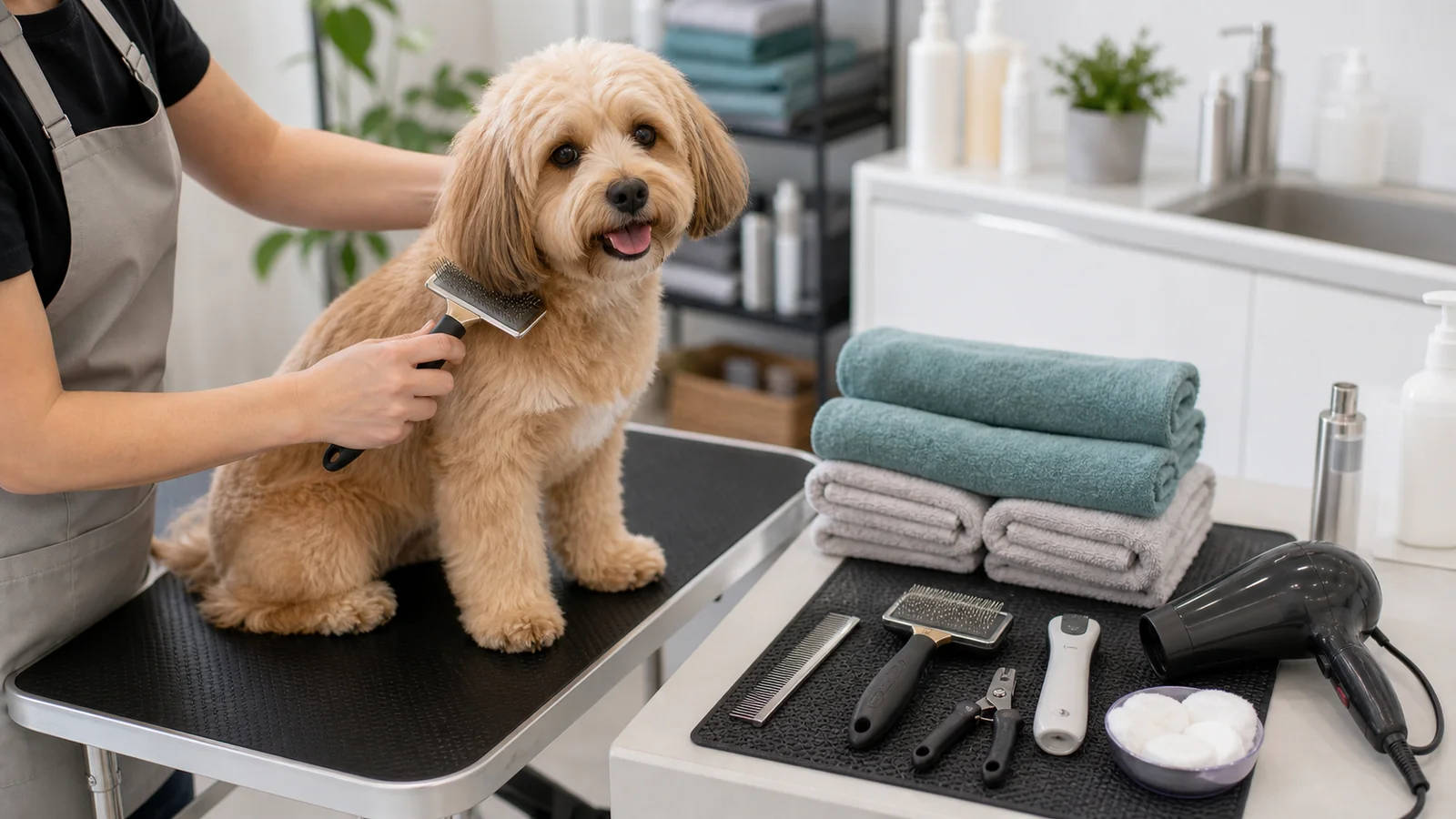
Pet Grooming Services: How To Choose What Your Pet Needs
Compare grooming services by coat type, comfort, safety, and maintenance so you book the right appointment.
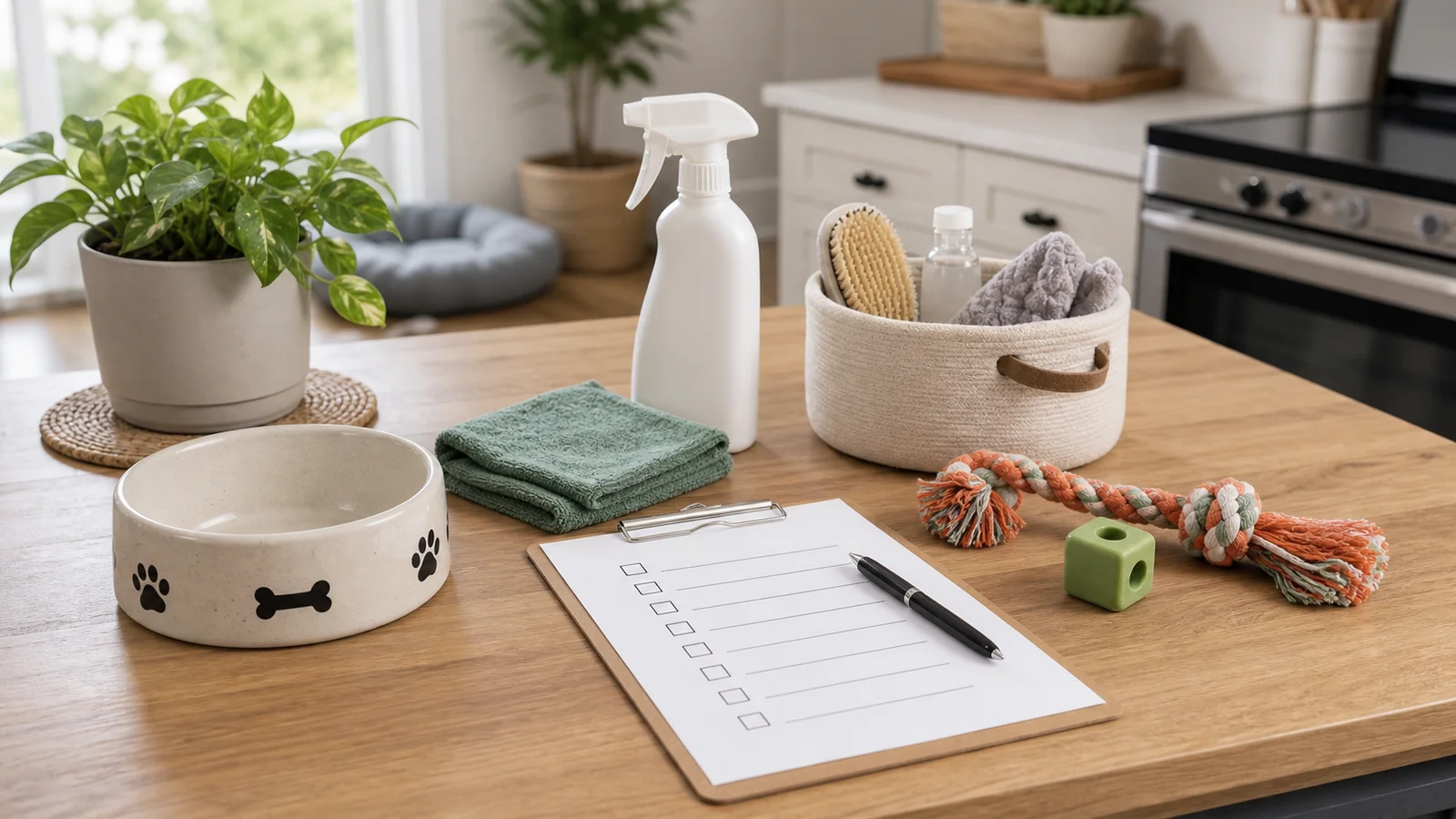
Pet Okay? A Quick Safety Checklist for Owners
Use this pet okay checklist to judge products, rooms, foods, greetings, symptoms, and when to call a veterinarian.