Pet Groomers Near You: Booking Checklist
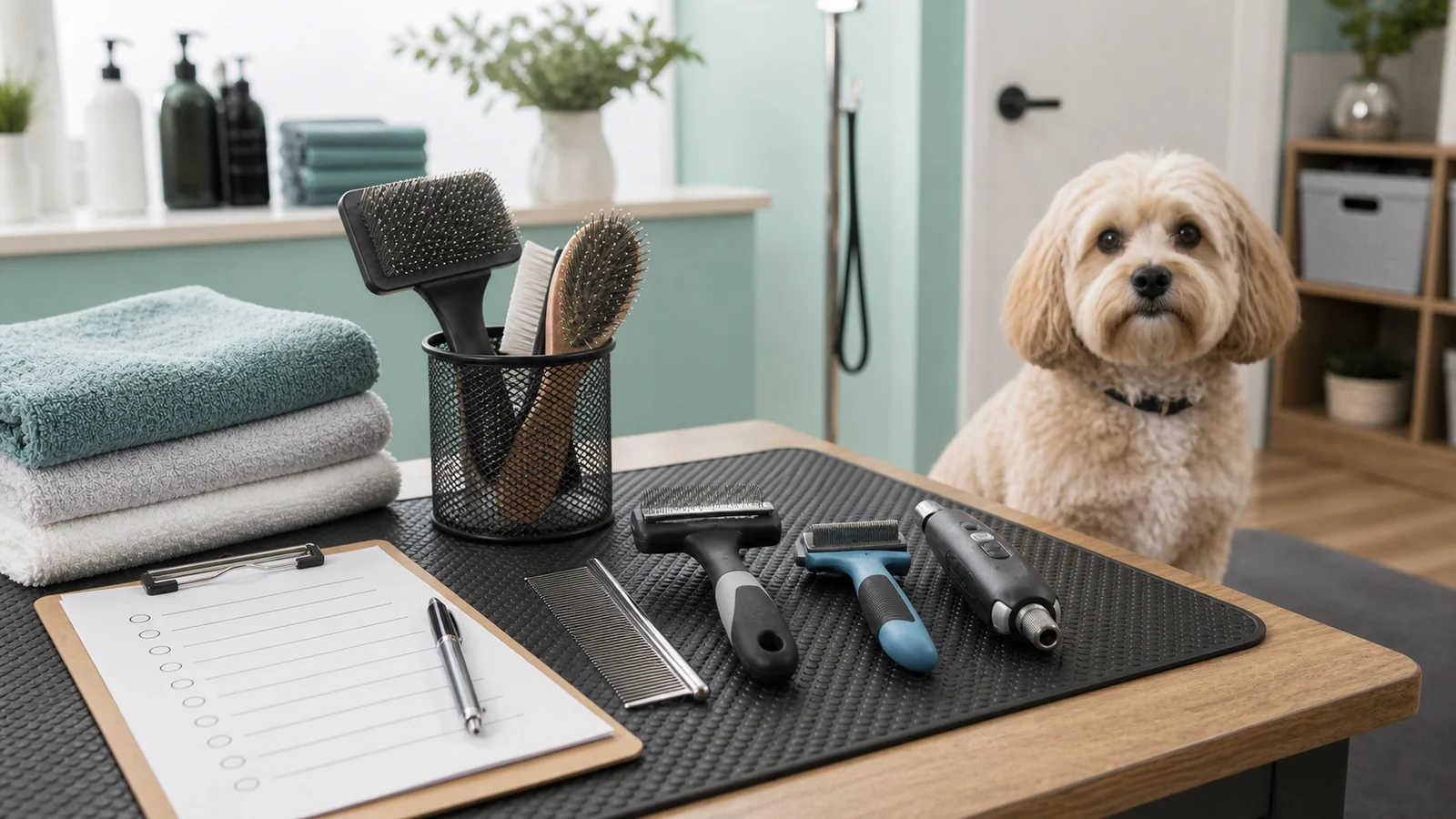
Pet Groomers Are Easier To Compare With A Real Checklist
Searching for pet groomers near you can turn into a blur of star ratings, haircut photos, price ranges, and appointment calendars. The closest opening is not always the best fit. Grooming involves bathing, drying, brushing, trimming, nail care, sharp tools, restraint, and stress management. Your pet’s comfort and safety should shape the booking, not just the calendar.
This checklist helps you narrow local groomers before you hand over your dog or cat. It works for salons, mobile grooming vans, home-based groomers, and veterinary grooming services.
If you are still deciding what services your pet needs, start with our pet grooming services guide. This article focuses on comparing groomers and booking the first appointment.
Step 1: Start With Your Pet’s Risk Profile
Before reading reviews, write down what makes your pet easy or difficult to groom. A calm short-haired dog with basic bath needs can use more options than a fearful senior dog, a matted doodle, a flat-faced breed, a giant breed, or a long-haired cat.
Note:
- Species, breed mix, age, and weight
- Coat type and matting level
- Nail condition
- Skin, ear, or allergy issues
- Mobility limits or pain
- Anxiety, bite history, or handling fears
- Past grooming experiences
- Whether your pet needs cat-specific or breed-specific experience
This list keeps you from choosing a groomer based only on pretty photos. The right match is the person who can handle your pet’s actual body, coat, and temperament.
Step 2: Read Reviews For Patterns, Not Perfection
Online reviews are useful, but they need interpretation. One complaint about a haircut style may not matter. Repeated comments about rough handling, poor communication, long waits, unexplained injuries, or pets coming home unusually distressed matter more.
Look for positive patterns:
- Clear communication before and after appointments
- Groomers who explain coat condition honestly
- Calm handling of nervous pets
- Good results across different coat types
- Clean facility comments
- Transparent pricing
- Owners returning over time
Look for warning patterns:
- Repeated injuries or nicks with no explanation
- Complaints about pets being left waiting for many hours
- Strong odor or sanitation concerns
- Surprise charges without communication
- Dismissive responses to owner concerns
- Photos that show style but not safe handling
Reviews should narrow your list, not make the whole decision.
Step 3: Check The Groomer’s Fit Before Calling
A groomer’s website or profile should answer some basic questions. If it does not, you can ask directly.
Check:
| Detail | Why it matters |
|---|---|
| Dog, cat, or both | Cats need different handling and a calmer setup. |
| Salon, mobile, or home-based | The environment changes stress, price, and timing. |
| Breed and coat experience | Curly coats, double coats, seniors, and cats need different plans. |
| Vaccination or health requirements | Rules vary, but organized requirements can signal structure. |
| Pricing method | By breed, size, coat condition, time, or service package. |
| Matting policy | Severe mats should be handled humanely, not painfully brushed out. |
| Cancellation and late pickup rules | Clear policies prevent surprises. |
Professional grooming credentials can be a good sign, but they are not the only sign. Pet grooming regulation varies, and experience, continuing education, sanitation, and handling style still matter.
Step 4: Ask The Safety Questions Before Booking
Do not wait until drop-off to ask important questions. The AKC and professional grooming organizations commonly encourage owners to ask about training, experience, safety, facility setup, and communication before choosing a groomer.
Use these questions:
- Have you groomed pets like mine before?
- How do you handle nervous, senior, or reactive pets?
- What happens if my pet becomes too stressed to continue?
- How do you dry pets, and are they monitored while drying?
- Will my pet wait in a crate, kennel, or open area?
- Do you groom cats, and what cat-specific setup do you use?
- How do you handle mats close to the skin?
- What would make you stop and call me?
- What is included in the price?
- What do you need from me before the appointment?
The best answers are specific. Be cautious if a groomer promises a perfect result before seeing the pet or treats fear as a character flaw instead of a handling issue.
For a deeper safety framework, our guide on how to choose a pet groomer covers training, drying, restraint, and salon red flags in more detail.
Step 5: Choose The Right Grooming Format
Different pet groomers work in different settings.
Salon Groomers
Salons can be efficient and well equipped. They may have more tools, staff support, and appointment options. The downside is noise, other pets, and possible wait time. Ask how long your pet will be there and where they wait.
Mobile Groomers
Mobile grooming can reduce stress for pets that dislike car rides or busy salons. Your pet gets one-on-one attention close to home. It often costs more and may not fit every severe matting, giant breed, or medical case.
One-On-One Or Home-Based Groomers
Some groomers work by appointment with fewer pets in the space. This can help anxious pets. Ask about sanitation, equipment, insurance, emergency plans, and whether the setup is appropriate for your pet’s size.
Veterinary Grooming
Veterinary grooming or grooming under veterinary supervision may be better for pets with severe fear, pain, skin disease, breathing issues, advanced age, or a bite history. If sedation is needed, it belongs under veterinary direction.
Step 6: Book A Lower-Pressure First Visit
Your first visit does not need to be the full dream haircut. For nervous pets, a bath, brush, nail trim, face tidy, sanitary trim, or meet-and-greet can be a better start. The goal is to learn how your pet responds and how the groomer communicates.
Before the appointment:
- Send clear coat and behavior information
- Share medical restrictions
- Mention bite history honestly
- Ask when they will call if the plan changes
- Bring style photos if a haircut is involved
- Confirm price range and pickup timing
- Ask whether you should feed normally before arrival
At drop-off, keep instructions clear and calm. Too much last-second emotion can make a nervous pet more worried. At pickup, ask what went well, what was difficult, and what schedule the groomer recommends.
Step 7: Inspect Your Pet After Pickup
After grooming, check your pet without turning it into a stressful examination. Look at paws, nails, ears, belly, sanitary areas, shaved spots, and skin folds. Mild tiredness can happen, but pain or distress is not something to ignore.
Watch for:
- Limping
- Repeated scratching or shaking
- Red skin, razor irritation, or bleeding
- Coughing after drying
- Extreme lethargy
- Fearful reaction to touch
- Ear odor or discharge
- Nails cut too short or still painfully long
If something concerns you, document it and contact the groomer promptly. For medical symptoms, call your veterinarian.
Step 8: Decide Whether To Rebook
A good groomer relationship should get smoother over time. Your groomer learns your pet’s coat and stress signals. You learn how often to book before mats, nail overgrowth, or odor become problems.
Rebook if:
- Your pet came home clean, comfortable, and reasonably settled
- The groomer explained any issues clearly
- The result fits the coat and maintenance plan
- Pricing matched the discussion
- You received useful home-care advice
- Your pet’s stress level was addressed, not dismissed
Look elsewhere if the groomer was rough, vague, defensive, unsafe, dismissive, or unwilling to adapt. Some pets are challenging, but a professional plan should still be thoughtful.
Advanced Tips For Special-Care Pets
For senior pets, ask for shorter appointments, nonslip surfaces, breaks, and comfort positioning. Long standing can be hard on hips, backs, and knees.
For flat-faced breeds, talk about heat, drying, breathing comfort, and stress. These pets may need extra caution around warm dryers and long appointments.
For cats, ask whether the groomer regularly works with cats and whether dogs will be nearby. Many cats need faster, quieter handling, and some are better served by veterinary grooming.
For matted pets, expect a comfort-first plan. Painful brushing is not kind. A shorter clip may be the safest reset, followed by a realistic home brushing routine.
For anxious pets, ask about desensitization visits, quiet times, mobile grooming, or veterinary support. Do not wait until a crisis groom.
FAQ
How Do I Find Good Pet Groomers Near Me?
Start with reviews, then call the best candidates with safety and handling questions. Choose a groomer whose experience matches your pet’s coat, species, behavior, and health needs.
Should I Pick A Mobile Groomer Or A Salon?
Mobile grooming can be calmer and more convenient, while salons may offer more space, staff, and scheduling flexibility. The better choice depends on your pet’s stress level and grooming needs.
What Should I Ask Before Booking A Groomer?
Ask about experience with pets like yours, drying methods, stress handling, matting policies, pricing, appointment length, and when they will call if the plan changes.
Are Cat Groomers Different From Dog Groomers?
Often, yes. Cats need different handling, timing, restraint, and stress control. Choose someone with real cat grooming experience if your cat needs professional care.
How Often Should I Rebook A Groomer?
It depends on coat type, nail growth, matting risk, shedding, and home care. Ask after the first appointment what schedule would prevent problems instead of reacting to them.
Bottom Line
The best pet groomers are not just nearby. They are the ones whose setup, skills, communication, and safety habits fit your actual dog or cat. Use reviews to make a shortlist, ask direct questions before booking, start with a lower-pressure first visit, and judge the relationship by how your pet looks and feels afterward.
You might also like
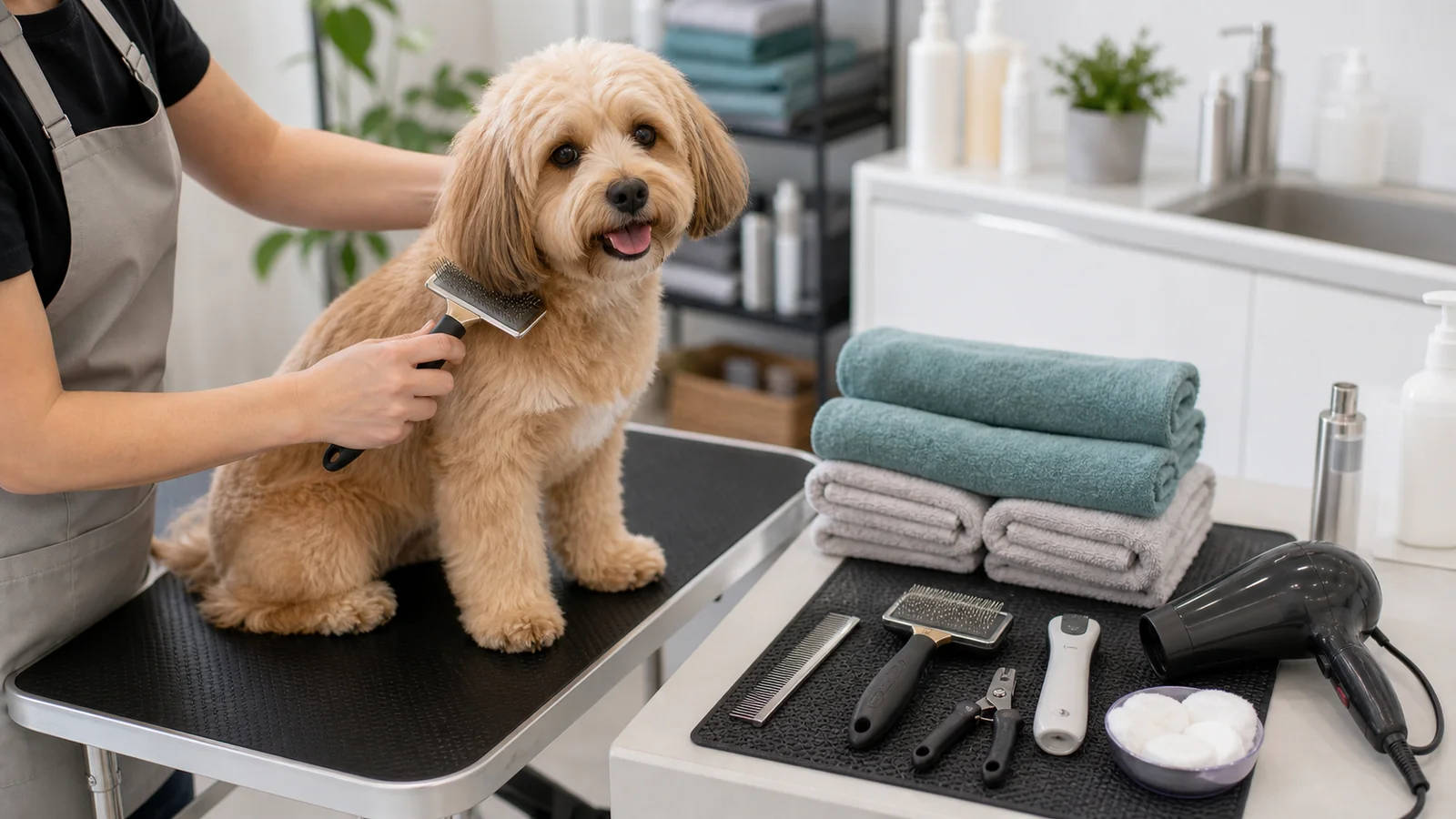
Pet Grooming Services: How To Choose What Your Pet Needs
Compare grooming services by coat type, comfort, safety, and maintenance so you book the right appointment.
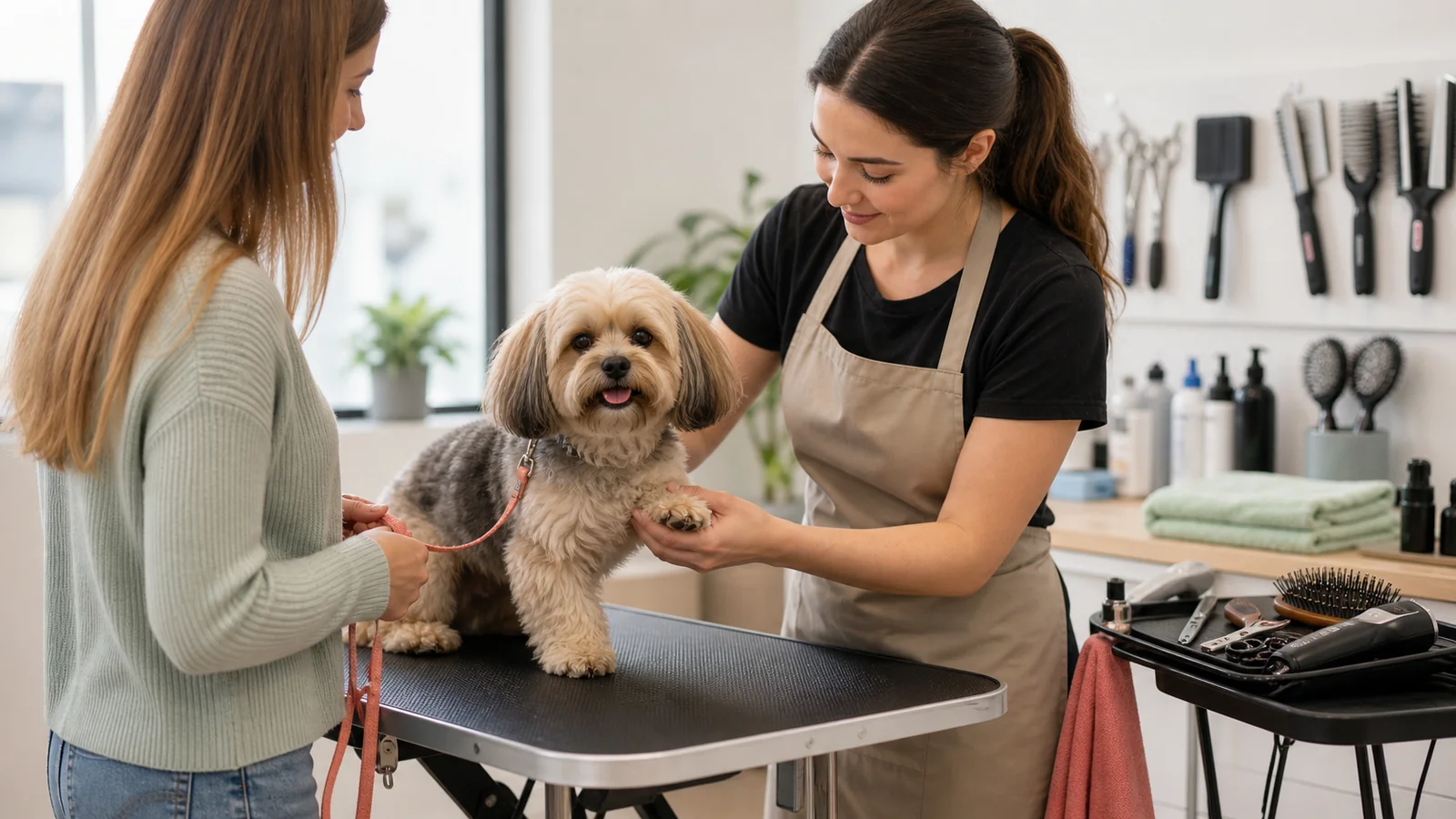
How To Choose A Pet Groomer You Can Trust
Find a safer pet groomer by checking experience, handling style, salon setup, communication, and red flags.
Pet Okay? A Quick Safety Checklist for Owners
Use this pet okay checklist to judge products, rooms, foods, greetings, symptoms, and when to call a veterinarian.