Pet Grooming Services: How To Choose What Your Pet Needs
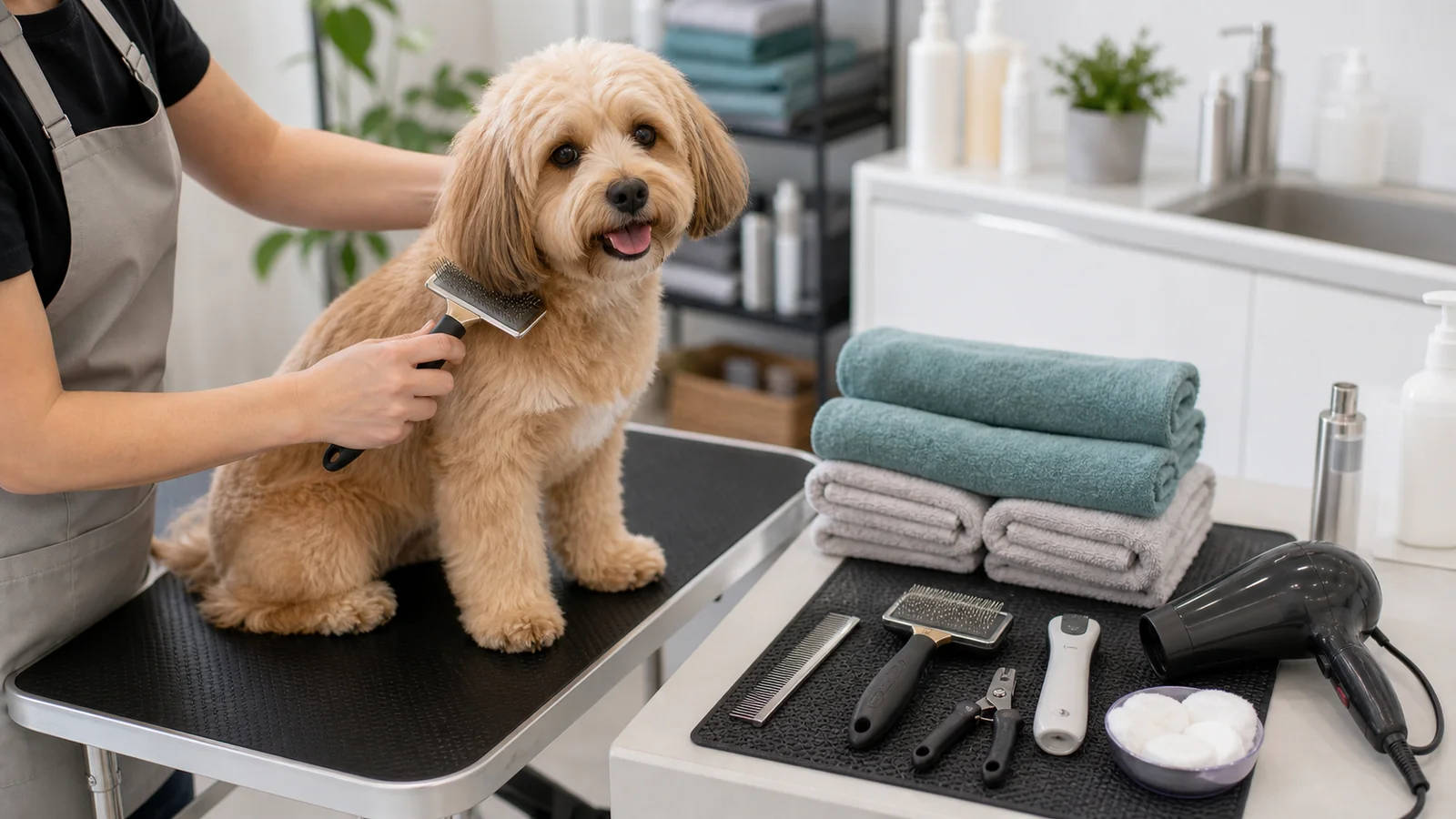
Pet Grooming Services Should Fit The Pet, Not The Menu
Pet grooming services can sound simple when they are listed as bath, brush, trim, nails, ears, and haircut. In real life, the right appointment depends on your pet’s coat, skin, behavior, age, health, season, and how much home care you can keep up with between visits.
The goal is not to book the longest or most expensive package. The goal is to choose the services that keep your pet clean, comfortable, and easier to maintain. A short-coated dog may need a bath, nail trim, and ear check. A curly-coated dog may need regular full grooming to prevent mats. A long-haired cat may need gentle combing, sanitary trimming, or professional mat care.
If you have not chosen a professional yet, start with our guide on how to choose a pet groomer. Once you have a groomer you trust, use this guide to decide what to ask for.
Step 1: Know The Main Grooming Service Types
Most grooming businesses combine services into packages, but the building blocks are similar.
| Service | What it does | Best for |
|---|---|---|
| Bath and dry | Cleans coat and skin, removes odor and dirt | Dogs that tolerate bathing and need basic freshness |
| Brush-out or comb-out | Removes loose hair and small tangles | Shedding coats, long coats, curly coats, cats |
| Deshedding | Uses coat-specific tools to reduce loose undercoat | Double-coated dogs and heavy shedders |
| Haircut or trim | Shortens or shapes coat | Curly, wavy, long, or continuously growing coats |
| Nail trim or grind | Shortens nails for safer movement | Most dogs and many cats |
| Ear cleaning | Removes visible debris when appropriate | Pets with routine ear-care needs |
| Sanitary trim | Trims coat around rear or belly areas | Long-haired pets, seniors, pets with mess issues |
| Paw pad trim | Clears hair between pads | Dogs that slip or track debris |
Not every pet needs every service. Some services can be risky or unnecessary for certain pets. For example, shaving a healthy double coat for convenience can affect coat function and may not reduce shedding the way owners expect. Ear cleaning should be gentle and appropriate, not deep probing.
Step 2: Match Services To Coat Type
Short smooth coats usually need simple maintenance: baths as needed, nail care, occasional brushing, and skin checks. Too much bathing with the wrong products can dry skin, so do not treat odor by bathing more often without looking for the cause.
Double coats need regular brushing and seasonal undercoat management. Deshedding can help when done correctly, but it is not the same as shaving. Breeds and mixes with dense undercoat often need tools that remove loose hair without damaging the topcoat.
Curly and wavy coats need routine combing and haircuts because loose hair can stay trapped in the coat. If home brushing is inconsistent, mats can form close to the skin. In that case, a shorter maintenance trim may be kinder than a style that is hard to keep up.
Long silky coats need careful brushing, conditioning, and mat prevention. Areas behind ears, under legs, around collars, and near the tail often tangle first.
Cats need a slower plan. Many cats do best with combing, nail trims, sanitary trims, or targeted mat removal rather than full baths. A groomer should have cat-specific handling experience before working on a stressed cat.
Step 3: Decide Between Salon, Mobile, And Veterinary Grooming
Salon grooming works well for many pets. It can offer more space, multiple tools, and a team environment. The trade-off is noise, other pets, and wait time. Ask whether your pet will be crated, how long the visit usually takes, and how drying is handled.
Mobile grooming can be a strong fit for pets that are stressed by busy salons. The pet stays close to home and often gets one-on-one service. It may cost more and may not be right for very large pets, severe matting, or medical cases depending on the groomer’s setup.
Veterinary grooming or grooming under veterinary supervision may be better for pets with severe matting, pain, extreme fear, heart or breathing issues, skin disease, advanced age, or a bite history. If sedation is needed, it should be handled by a veterinarian, not improvised by a groomer.
Home grooming can cover basic brushing, wiping, and routine maintenance. It is not a failure to use a professional. Many pets need both: small care at home and scheduled professional appointments.
Step 4: Book The Right First Appointment
For a first visit, ask for a practical appointment rather than a dramatic transformation. Tell the groomer what you know: coat condition, matting, behavior, medical concerns, preferred style, and what your pet dislikes.
If your pet is nervous, a bath-and-brush, nail trim, or tidy appointment may be enough. A puppy or kitten may benefit from a short introduction visit that focuses on calm handling rather than a full service.
For matted coats, let the groomer inspect before promising a style. Severe mats can make brushing painful and can hide irritated skin. A humane groom may require a shorter clip than you hoped for. Comfort should win over appearance.
Ask what is included in the quoted service. A “full groom” may include bath, dry, brush-out, haircut, nails, ears, and sanitary trim at one business, while another may price add-ons separately. Clear expectations prevent frustration at pickup.
Step 5: Build A Maintenance Schedule
Grooming frequency depends on coat type and home care. Some short-coated dogs may only need professional baths occasionally. Curly-coated dogs may need a groom every several weeks. Long-haired cats may need regular combing at home and periodic professional help if mats form.
Use your pet’s body as the schedule. Nails that click loudly on the floor, mats behind the ears, odor that returns quickly, greasy coat, slipping on paw hair, or repeated debris around the rear are signs that the current plan needs adjustment.
Ask the groomer for a realistic schedule:
- How often should this coat be professionally groomed?
- What brush or comb should we use at home?
- Where does this pet mat first?
- How short should the coat be for easy maintenance?
- How often should nails be trimmed?
- What signs mean we should book sooner?
The best schedule is one you can actually maintain. A beautiful long style that mats every week may not be fair to the pet or practical for the household.
Step 6: Check Comfort After Each Service
After grooming, look at your pet calmly. Check paws, nails, ears, belly, sanitary areas, and any shaved spots. Mild tiredness can be normal, especially after a long appointment, but pain, limping, coughing, bleeding, raw skin, repeated scratching, or extreme lethargy needs attention.
Watch behavior too. A pet that is sleepy for the evening may simply be tired. A pet that hides, shakes, refuses food, or reacts fearfully to touch may have had too much stress or may be uncomfortable.
Share feedback with the groomer. If the ears seemed irritated after cleaning, the nails were still sharp, the cut was too short, or your pet struggled with the dryer, say so before the next appointment. Good grooming is a relationship, not a one-time order.
Common Mistakes To Avoid
Do not book by haircut photo alone. Coat texture, matting, pet behavior, and health can change what is possible.
Do not wait until mats are severe. Early grooming is usually easier, cheaper, and kinder.
Do not ask a groomer to brush out painful mats for the sake of length. A shorter cut may be the humane choice.
Do not assume every dog needs the same shampoo, dryer, or nail approach. Skin sensitivity, coat type, age, and fear level matter.
Do not skip nails because your pet dislikes them. Ask for a slower plan, shorter sessions, or veterinary help if nails are overgrown or painful.
Do not use cosmetic add-ons as the priority. Scented sprays, bows, and styling are optional. Comfort, skin health, nails, and coat maintenance come first.
Advanced Tips For Better Appointments
Take photos of the style you like and the style you do not want. A “puppy cut” can mean different things to different people, so pictures help.
Brush before the appointment if your groomer recommends it, but do not bathe a matted pet at home unless instructed. Water can tighten mats and make them harder to remove.
Use the same groomer when possible. Familiarity can reduce stress and helps the groomer notice changes in coat, skin, lumps, or behavior.
For anxious pets, ask about quieter appointment times, one-on-one grooming, shorter services, or desensitization visits. Some pets need a veterinary behavior or medication plan before grooming becomes manageable.
Keep vaccination and health records ready if the salon requires them. Requirements vary by business and local rules, but organized records make booking smoother.
FAQ
What pet grooming services does my dog need?
Most dogs need some mix of brushing, bathing, nail care, and skin or ear checks. Haircuts, deshedding, sanitary trims, and paw trims depend on coat type and lifestyle.
How often should I book pet grooming services?
It depends on coat type, shedding, matting, nails, skin, and home brushing. Ask your groomer for a schedule based on your pet, not a generic calendar.
Are grooming services only for dogs?
No. Cats may need nail trims, combing, sanitary trims, or mat removal. Cat grooming should be done by someone with cat-specific handling experience.
Is deshedding the same as shaving?
No. Deshedding removes loose undercoat with coat-appropriate tools. Shaving cuts the coat short and may not be right for many double-coated dogs.
What is included in a full groom?
It varies by business. A full groom often includes bath, dry, brush-out, haircut or trim, nails, ears, and sanitary tidy, but you should confirm before booking.
Bottom Line
Pet grooming services work best when they are chosen for your pet’s coat, comfort, and health instead of a generic package name. Start with the essentials, be honest about coat condition and behavior, and build a schedule that prevents problems before they hurt. The right service plan makes your pet easier to care for between appointments and helps grooming feel less like a crisis.
You might also like
Pet Groomers Near You: Booking Checklist
Compare pet groomers with a practical checklist for reviews, safety questions, pricing, first visits, and special-care pets.
How To Choose A Pet Groomer You Can Trust
Find a safer pet groomer by checking experience, handling style, salon setup, communication, and red flags.
Pet Okay? A Quick Safety Checklist for Owners
Use this pet okay checklist to judge products, rooms, foods, greetings, symptoms, and when to call a veterinarian.