Petting Bearded Dragon Safely: Calm Handling Basics
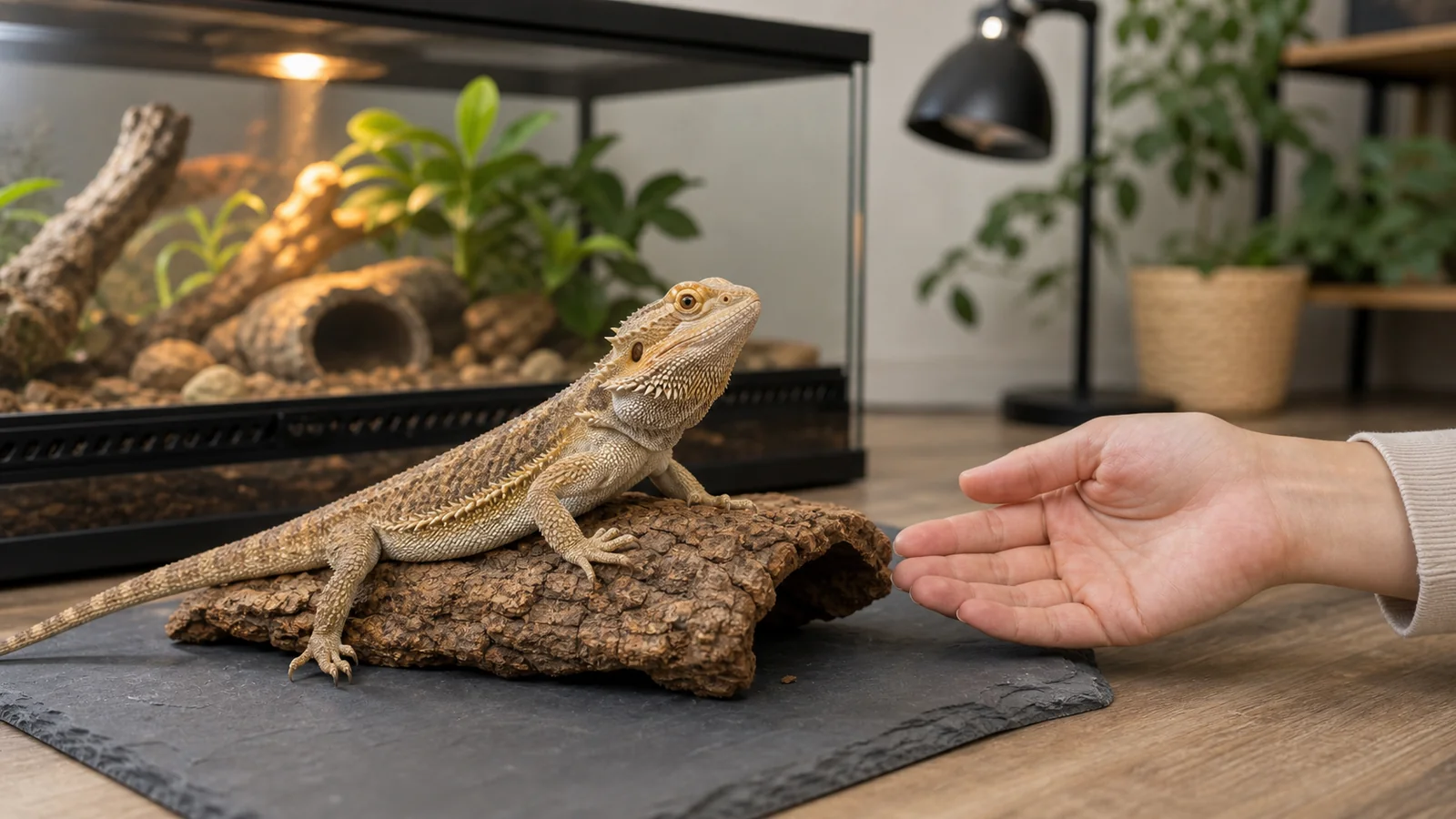
Petting A Bearded Dragon Starts Before You Touch It
Petting bearded dragon pets can feel simple because many bearded dragons look calm on a shoulder, lap, or hand. But safe handling is still a routine. A bearded dragon is a reptile with specific heat, lighting, diet, and stress needs. It may tolerate touch well, or it may only accept short, quiet contact.
The safest goal is not to turn a bearded dragon into a cuddly pet. The goal is to help it stay calm while you inspect its body, move it for care, or share a brief interaction. Good petting is slow, low, supported, and easy for the lizard to end.
This guide assumes you have a healthy captive bearded dragon in a secure home enclosure. If your dragon is new, sick, injured, underweight, egg-bound, defensive, or not eating normally, pause routine handling and contact an exotic-animal veterinarian.
Step 1: Make Sure The Setup Supports Calm Handling
A bearded dragon that is too cold, poorly lit, hungry, dehydrated, shedding badly, or housed in a stressful setup may not handle well. Before you focus on petting, check the basics.
The enclosure should offer a real temperature gradient, with a warmer basking area and a cooler side. Your dragon needs a way to warm up, cool down, hide, and move normally. Strong UVB lighting also matters for calcium use and long-term bone health. A lizard with poor husbandry may seem lazy or unusually defensive when it is actually uncomfortable or unwell.
Use reliable thermometers, a thermostat where appropriate, and species-specific lighting guidance. Replace UVB bulbs on schedule, because a bulb can still glow while no longer providing useful UVB. If you are still setting up your first reptile habitat, our pet lizards for beginners guide covers the bigger care decisions.
Handling should happen when your dragon is warm enough to move normally, but not right after a meal. Give it quiet digestion time after feeding. Also avoid routine handling during heavy shedding, obvious stress, illness, or a major enclosure change.
Step 2: Wash Hands And Prepare A Low Handling Area
Wash your hands before opening the enclosure. This reduces food smells, feeder insect residue, and anything you might carry into the habitat. It also makes the routine more predictable.
Choose a low, calm place for the first sessions. A towel on the floor, a low table with close supervision, or your lap can work better than standing with the dragon high in the air. Close doors. Keep dogs, cats, and small children out of the room. Remove clutter that the dragon could run behind or under.
Have the enclosure ready before you lift the lizard. You do not want to juggle a bearded dragon while moving lamps, unlocking lids, or clearing an escape route. Short, organized sessions are safer than long, improvised ones.
Step 3: Read The Dragon Before Reaching In
Pause when you open the enclosure. A relaxed bearded dragon may sit with loose posture, look around, lick, or slowly reposition. A dragon that wants distance may flatten, puff the beard, darken the beard, gape, bob, wave, hiss, whip the tail, scramble away, or clamp its body low.
Do not treat warning signs as a challenge. Close the enclosure and try another time if the dragon looks defensive or panicked. Repeated stress can make future handling harder.
Also read the context. A new bearded dragon may need time to settle before regular contact. A dragon that was just chased around the enclosure will not learn that hands are safe. A dragon that is shedding, cold, or exposed without enough hiding options may react more strongly than usual.
For a first approach, move slowly from the side or front where the dragon can see you. Avoid reaching suddenly from above, which can feel like a predator. Rest your hand nearby for a moment instead of grabbing.
Step 4: Pet In The Least Stressful Places First
Start with very brief contact. Many bearded dragons tolerate gentle strokes along the back, shoulder area, or side of the body. Use one or two fingers, light pressure, and slow movement in the direction of the scales.
Avoid poking the face, tugging the legs, squeezing the belly, pulling the tail, or tapping the head. Some dragons tolerate light head contact, but that does not make it the best starting point. If your dragon closes its eyes during petting, do not assume it is enjoying the moment. In reptiles, stillness and closed eyes can also mean stress or avoidance.
Pet for two or three seconds, then stop. If the dragon stays relaxed, you can continue briefly. If it turns away, darkens, gapes, scrambles, beard-puffs, or stiffens, end the interaction. The pause is the important part. Petting bearded dragon pets should include a way for the animal to say “enough.”
Step 5: Support The Body If You Lift
Petting does not always require lifting. For a nervous dragon, gentle contact while it remains on a stable surface may be better. When you do need to pick it up, scoop from below rather than grabbing from above.
Slide one hand under the chest and front body. Use the other hand to support the belly, hips, and tail base. Keep all four feet supported when possible. Hold the dragon close to a low surface so a sudden jump does not become a fall.
Do not dangle the lizard by the front legs, tail, or midsection. Do not restrain hard unless there is a medical reason and you have proper instruction. Bearded dragons may look sturdy, but rough handling can injure toes, tail, jaw, ribs, and limbs.
If the dragon starts walking, guide it hand over hand. Keep movement slow. A good handling session feels quiet and boring, not like a chase.
Step 6: Keep Sessions Short And Predictable
For a new or young bearded dragon, a few calm minutes can be enough. You can build time slowly if the dragon remains relaxed, eats normally, basks normally, and returns to the enclosure without frantic behavior.
Watch for signs that the session is too long:
- Dark beard or strong color change
- Gaping, hissing, or repeated beard puffing
- Fast escape attempts
- Tail whipping
- Flattening low to the surface
- Heavy stress marks
- Repeated freezing or hiding the head
If those signs appear, lower the dragon onto a stable surface or return it to the enclosure. Do not pass it around a group of people. Do not let children squeeze, carry, kiss, or hold the dragon near their face.
Predictable routines help. Approach calmly, support from below, keep the session brief, return the dragon gently, latch the enclosure, and wash up. Repetition teaches more than long handling marathons.
Step 7: Clean Up Every Time
Reptiles can carry Salmonella and other germs even when they look healthy. That does not mean your bearded dragon is dirty. It means hygiene is part of responsible reptile care.
Wash your hands with soap and water after touching the dragon, enclosure, dishes, substrate, decor, feeder insects, or cleaning tools. Keep bearded dragons away from kitchens, dining tables, sinks used for food, and areas where young children play.
Clean any surface the dragon touched during free-roaming or handling. Do not let it wander on pillows, couches, countertops, or food-prep surfaces. Limit roaming so the dragon stays safe and cleanup stays realistic.
Households with children under 5, older adults, pregnant people, or anyone with a weakened immune system should be extra careful around reptiles. Young children should not handle or touch bearded dragons or their habitats.
Common Petting Problems And What To Do
If your bearded dragon runs away every time, stop chasing. Make the enclosure feel secure, offer more time to settle, and begin with your hand resting nearby rather than touching.
If the dragon puffs or darkens its beard, end the session. Check temperature, recent feeding, shed status, noise, room activity, and whether your approach was too sudden.
If the dragon tries to jump, lower your hands immediately. Handle over a towel, lap, or low surface. Some dragons are calm until they see open space.
If the dragon bites, do not yank away. Stay calm, release pressure gently, clean the wound, and review what triggered the bite. Hunger cues, food scent, fear, and rough handling are common causes.
If the dragon becomes unusually weak, swollen, shaky, unable to use its limbs, uninterested in food, or repeatedly black-bearded, stop handling and contact an exotic-animal veterinarian.
Advanced Tips For Better Handling
Build trust through care, not constant touch. A bearded dragon that has correct heat, UVB, diet, hides, and calm routines is more likely to tolerate handling.
Use a simple care log. Track feeding, shedding, weight, bulb changes, behavior, and handling length. If petting suddenly becomes stressful, the log may reveal a shed cycle, temperature issue, or health change.
Separate feeding cues from handling cues. Wash hands after feeder insects and avoid waving fingers near the dragon’s mouth. Use tongs for insects when appropriate.
Keep other pets away. A dog or cat may only be curious, but the dragon does not know that. One quick paw, bite, or chase can cause serious injury.
If you are comparing reptile temperaments, see our guide to the best beginner low-maintenance pet reptiles before choosing your next animal.
FAQ
Do bearded dragons like being petted?
Some tolerate gentle petting and may stay calm during short sessions. Others prefer observation and minimal handling. Watch the dragon’s body language instead of assuming it enjoys contact.
Where should I pet a bearded dragon?
Start with light strokes along the back, shoulder area, or side of the body. Avoid grabbing the head, legs, belly, and tail. Stop if the dragon stiffens, darkens, or tries to leave.
How long should I handle a bearded dragon?
Start with a few calm minutes. Increase slowly only if the dragon stays relaxed, eats well, basks normally, and does not show stress after handling.
Can kids pet a bearded dragon?
Older children may be able to help with close adult supervision, handwashing, and low handling height. Children under 5 should not handle or touch reptiles or their habitats.
Should I pet a bearded dragon after feeding?
No. Let the dragon digest quietly after meals. Handling too soon can add stress and may interfere with normal digestion.
Bottom Line
Safe petting bearded dragon routines are calm, brief, and built around the animal’s body language. Prepare the room, approach slowly, touch lightly, support the body if you lift, stop at stress signals, and wash your hands afterward. When handling stays predictable, your dragon is more likely to remain comfortable and easier to care for.
You might also like
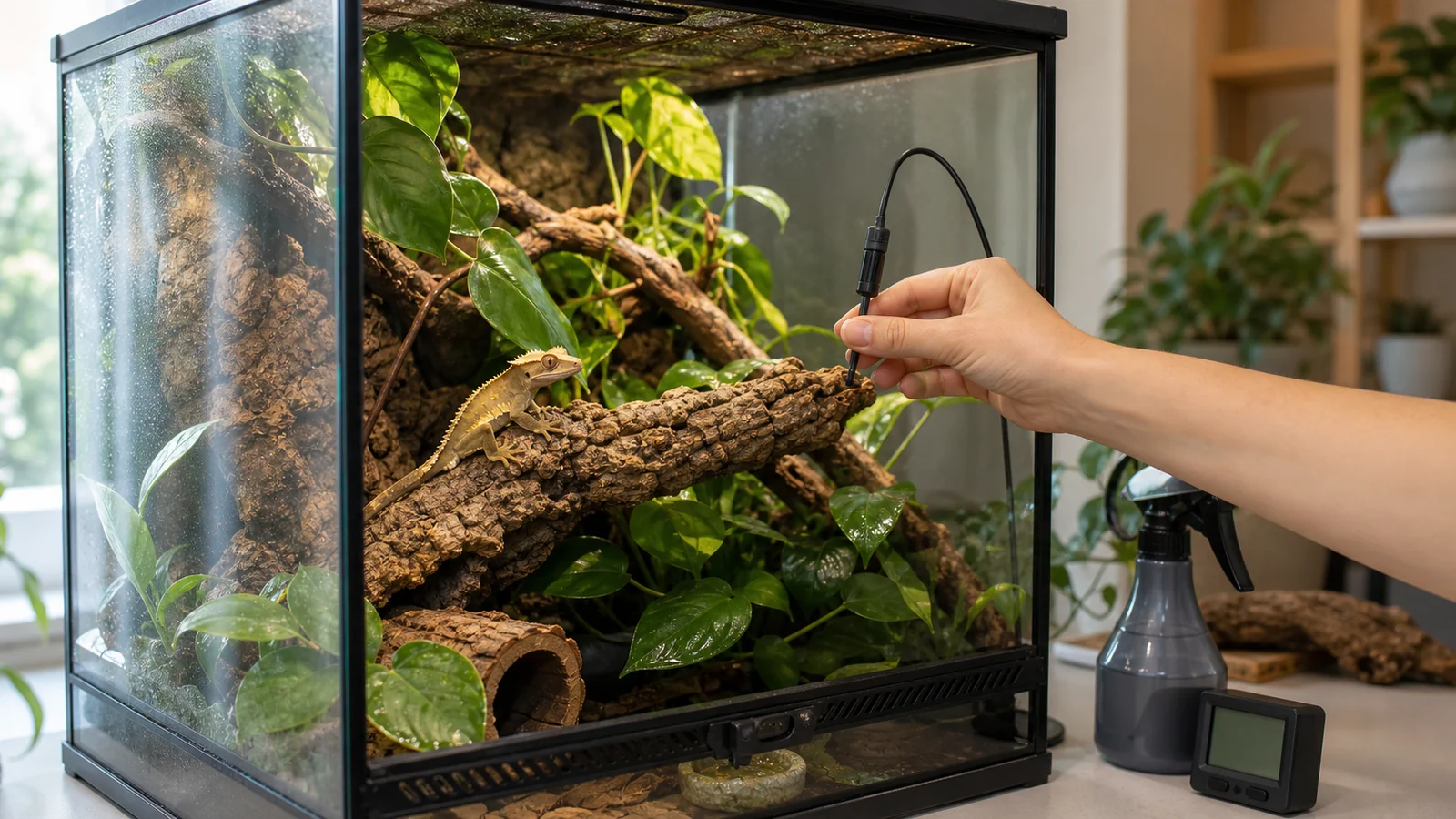
Pet Lizards for Beginners: Setup And Care Basics
Learn how to choose a beginner pet lizard, build the right habitat, feed safely, and handle with less stress.
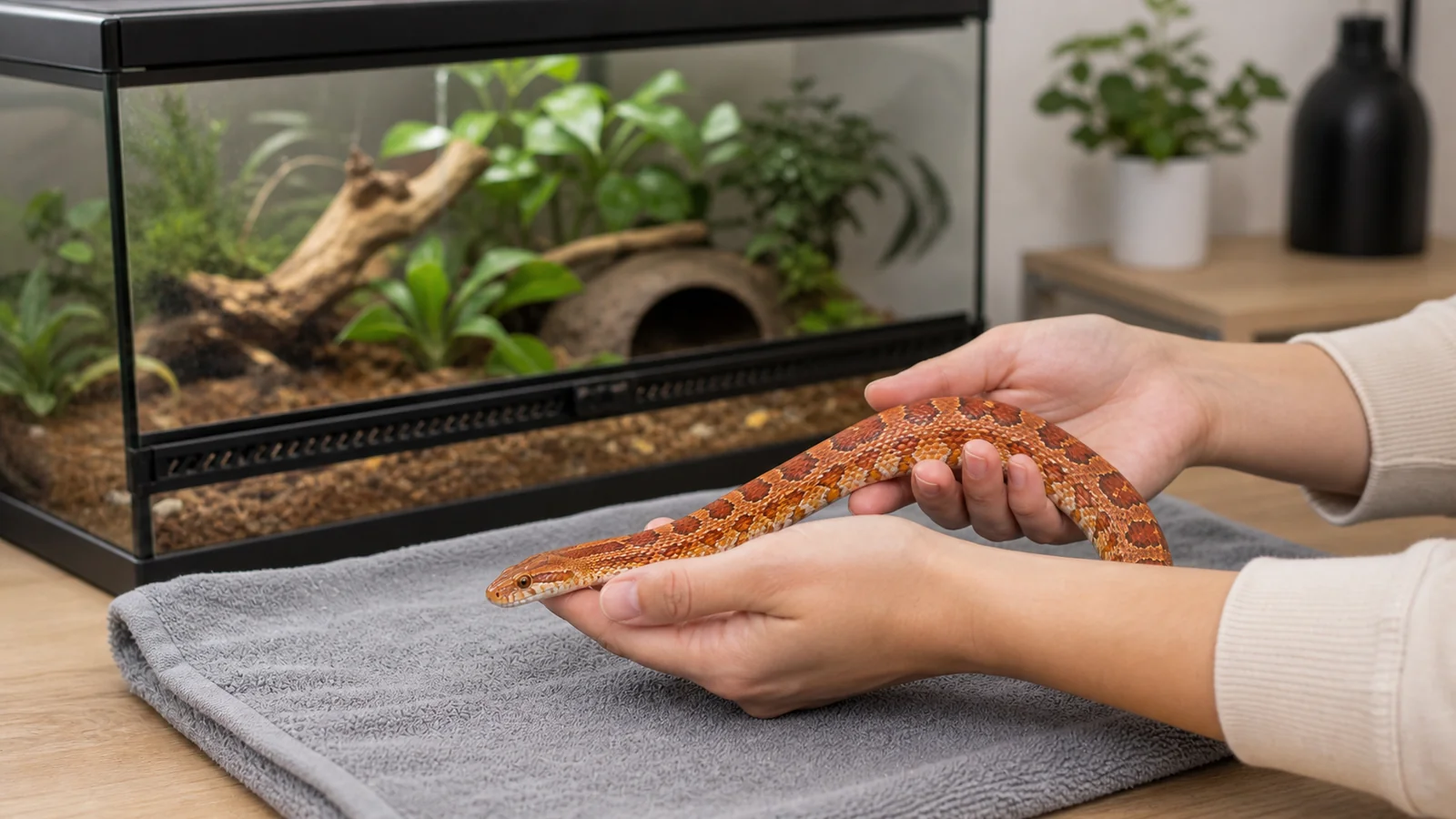
How To Handle A Pet Snake Safely
Handle a pet snake with calmer timing, better body support, safer hygiene, and fewer beginner mistakes.
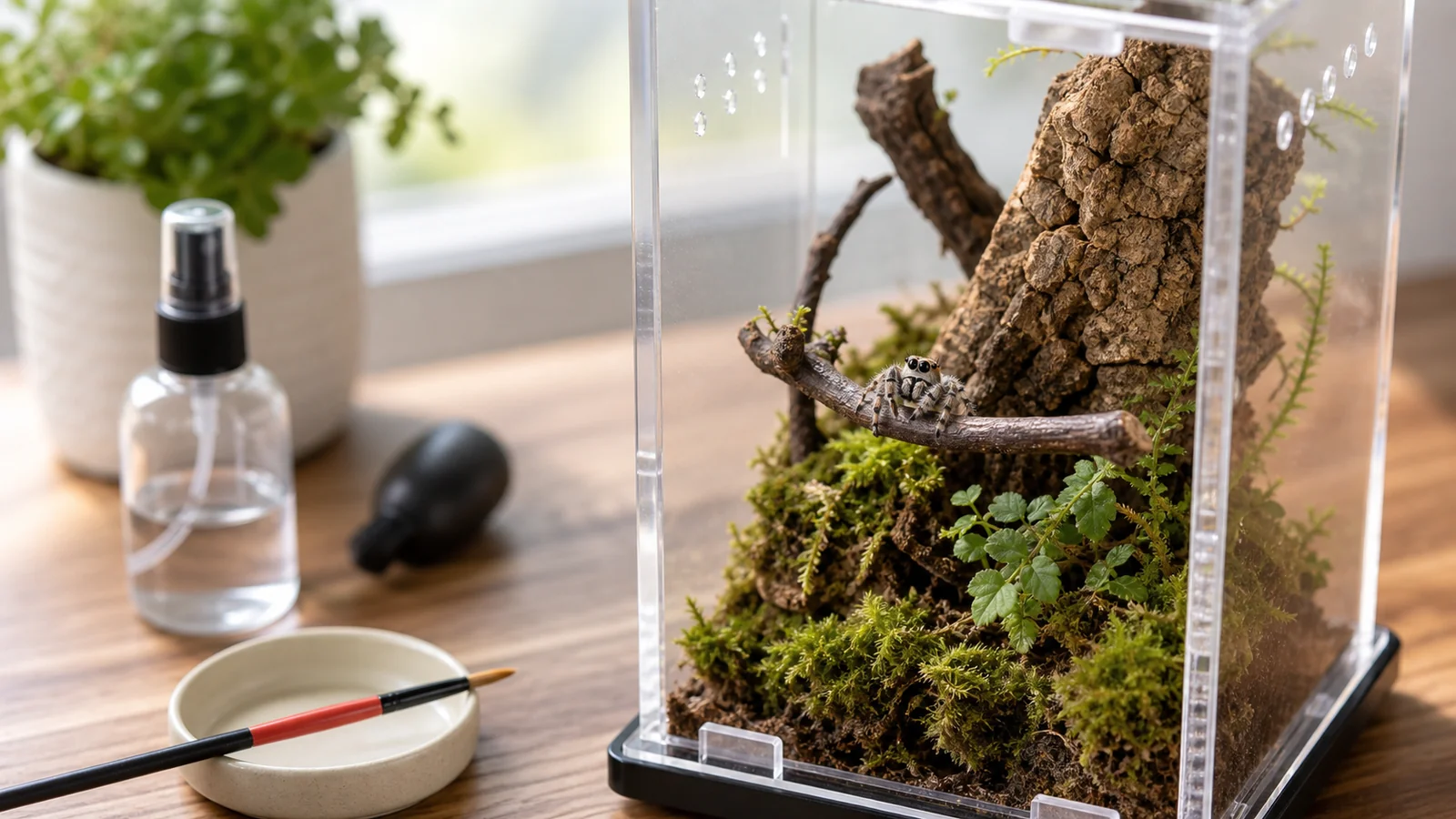
Jumping Spider Pet: Beginner Setup And Care Guide
Learn whether a jumping spider pet fits your home, how to set up the enclosure, feed safely, and handle molts.