Pet Friendly Houses For Rent: A Practical Checklist
Start With The Policy, Not Just The Search Filter
Searching for houses for rent near me pet friendly can feel simple at first. You turn on the pet filter, save a few listings, and start comparing yards, bedrooms, and rent. The hard part is that “pet friendly” does not mean the same thing from one landlord, property manager, or lease to the next.
One rental house may allow one cat but no dogs. Another may accept dogs under a weight limit but charge pet rent, a nonrefundable fee, and a separate deposit. A third may have a fenced yard in the photos but still require dogs to stay leashed outside. The right house is the one where the written policy, real monthly cost, layout, and daily pet routine all fit.
Use this checklist before you apply. It is written for everyday U.S. dog and cat owners comparing long-term rental houses, duplexes, townhomes, and small single-family rentals. It is not legal advice, and service animals or assistance animals follow different rules from ordinary pets.
Step 1: Confirm What Pet Friendly Means In Writing
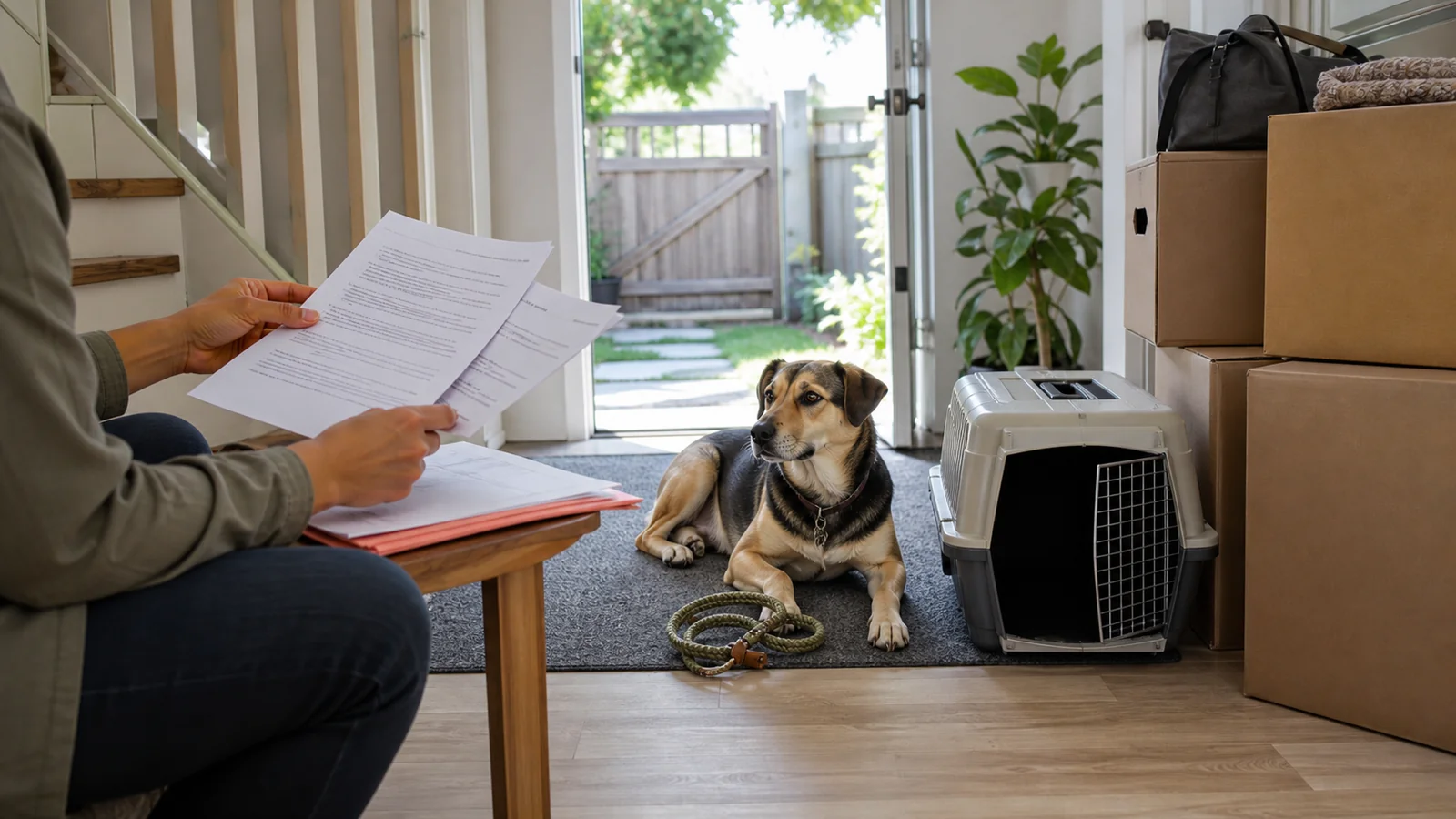
Do not rely on the listing headline alone. Ask for the written pet policy, lease addendum, or property rules before paying application fees. If the listing is managed by a larger company, check whether the advertised policy is company-wide or specific to that house.
Look for:
- Allowed species
- Maximum number of pets
- Weight limits
- Breed or insurance restrictions
- Pet deposit
- One-time pet fee
- Monthly pet rent
- Pet screening or application fees
- Vaccination or licensing records
- Spay or neuter requirements
- Yard, waste, leash, and noise rules
- Rules for visiting pets
If you have more than one pet, ask whether limits apply per pet or per household. If you have a large dog, mixed breed, puppy, senior pet, or indoor-only cat, get the answer in writing. A quick verbal yes can become stressful if the lease says something different later.
For a smaller-space version of this process, our pet friendly apartments checklist covers building rules, elevators, shared hallways, and other apartment-specific details.
Step 2: Compare The True Cost Of Each House
Pet friendly houses for rent often have more cost layers than the listing rent shows. Build a side-by-side comparison before you decide which application is worth paying for.
Compare these costs:
| Cost | What to ask | Why it matters |
|---|---|---|
| Pet deposit | Is it refundable, and what can be deducted? | It affects move-in cash and move-out expectations. |
| Pet fee | Is it one-time, per pet, or per lease? | Nonrefundable fees can change the real cost quickly. |
| Pet rent | Is it monthly and per pet? | It raises the ongoing rent, not just move-in cost. |
| Insurance | Does the lease require renters insurance or pet liability coverage? | Some dog breeds or sizes may affect coverage. |
| Yard care | Who handles lawn repair, waste cleanup, or pest control? | Pets can change maintenance responsibilities. |
Also ask about damage charges for doors, screens, floors, trim, fencing, and landscaping. A house gives pets more space than many apartments, but it can also expose more surfaces to chewing, scratching, muddy paws, digging, and odor.
Step 3: Match The Layout To Your Pet’s Routine
Walk through the house as if you are living a normal Tuesday with your pet. The best rental is not always the one with the biggest yard. It is the one that makes daily care realistic.
For dogs, check how you will handle bathroom breaks in rain, heat, snow, or late at night. Look at the path from the door to the yard. Are there stairs, slick porch steps, a busy street, poor lighting, or a gate that does not latch well? If your dog barks at neighbors, delivery drivers, or sidewalk traffic, notice where windows face.
For cats, look for secure screens, rooms that can close during move-in, hiding risks behind appliances, and good litter box locations. A laundry room, bathroom, or mudroom can work well if it is ventilated, accessible, and easy to clean.
If the house has stairs, think about age and mobility. Puppies, kittens, senior dogs, senior cats, and pets recovering from surgery may need gates, ramps, rugs, or a first-floor setup.
Step 4: Inspect The Yard And Exterior Carefully
A yard is useful only if it is safe for your actual pet. During the tour, look beyond the fence from a distance. Check gates, latch height, gaps under fence panels, loose boards, broken wire, low spots near the ground, sharp edges, and places where a small dog or curious cat could slip through.
Ask whether the yard is shared, private, fully fenced, or only partly fenced. Some duplexes and townhomes have outdoor space that looks private but is not. Also ask who maintains the fence and how quickly repairs are handled.
Watch for outdoor hazards:
- Toxic plants or unknown landscaping chemicals
- Standing water or drainage problems
- Open crawl space access
- Gaps under decks
- Neighbor dogs along the fence line
- Busy sidewalks or school routes
- Wildlife, trash bins, or unsecured compost
If your dog digs, jumps, or reacts strongly to other dogs, do not assume a fenced yard will solve everything. You may still need supervised outdoor time, a long line, enrichment toys, or a different house layout.
Step 5: Check Floors, Doors, Screens, And Cleaning Zones
Rental houses can have a mix of carpet, hardwood, laminate, tile, and older flooring. Each surface changes how you manage pets.
Carpet can hold odor and hair. Hardwood can scratch. Laminate may be slick for senior dogs. Tile is easier to clean but can feel cold or slippery. Ask what cleaning products are allowed and whether rugs, mats, freestanding gates, or temporary floor runners are permitted.
Look closely at:
- Door frames and baseboards
- Window screens and sliding doors
- Bedroom doors that need to close securely
- Mudroom or entry space
- Laundry hookups near pet supplies
- Closet or pantry access
- Places for bowls, litter, beds, crates, and toy storage
Set up washable zones early. Use entry mats, food mats, litter mats, washable throws, and a regular bedding routine. If an accident happens after move-in, our guide on how to remove pet odor explains the basic cleaning order, but always choose products that are safe for the surface and allowed by the lease.
Step 6: Prepare A Strong Pet Application
For competitive rentals, a clear pet profile can help a landlord understand what kind of renter you will be. It will not override a strict policy, but it can reduce uncertainty when pets are allowed.
Prepare:
- A recent pet photo
- Age, weight, and breed or mix if known
- Vaccination records
- License information if required locally
- Spay or neuter status if requested
- Microchip information if available
- Training notes for dogs
- A previous landlord or pet sitter reference if useful
- A short note about your cleaning and waste routine
Be honest. Do not hide a pet, understate weight, or guess at a breed if the policy makes that detail important. If the listing uses a third-party pet screening process, read the fees and privacy terms before submitting information.
Step 7: Plan Your Move-In Pet Setup
Moving day is when pets often get stressed, bolt through doors, chew strange objects, or hide in unsafe places. Before the truck arrives, decide where each pet will stay.
For dogs, set up a quiet room or crate with water, bedding, and familiar items. Keep leashes near every exit. Walk the yard on leash before trusting the fence. Check that gates latch after movers, family members, or utility workers come through.
For cats, start with one closed room. Put the carrier, litter box, food, water, bedding, and a hiding spot inside. Let the cat settle before opening the rest of the house. This is especially important in older rentals with crawl spaces, loose vents, fireplaces, or gaps behind appliances.
Keep cleanup supplies easy to reach: waste bags, enzyme cleaner approved for the surface, paper towels, old towels, lint rollers, and a small vacuum. The goal is to prevent small pet messes from becoming lease problems.
Advanced Tips For Choosing Between Similar Rentals
Tour at the time your pet will notice the neighborhood. Evening sidewalk traffic, school pickup, weekend yard noise, and trash collection can change how calm a house feels.
Check the lease renewal language. A house that works for one year may become risky if pet rent, rules, or owner plans can change sharply at renewal.
Ask about maintenance entry procedures. If workers may enter while you are away, you need a plan for crates, closed rooms, warning notes, or scheduling.
Think about emergency exits. Fires, storms, power outages, and urgent vet trips are easier when carriers, leashes, medications, and records have a fixed place.
Compare convenience honestly. A cheaper house farther from work may require more dog walking help. A bigger yard may be less useful than a smaller house near a safe walking route.
FAQ
What Does Pet Friendly Mean For A Rental House?
It means the property allows some pets under specific rules. It does not guarantee that every dog, cat, breed, size, or number of pets is allowed.
Should I Tell The Landlord About My Pet Before Applying?
Yes. Confirm the written pet policy before you pay application fees. It saves time and helps you avoid surprise denials or extra costs.
Is A Fenced Yard Enough For A Dog?
Not always. Check the fence, gates, gaps, neighboring dogs, street exposure, and your dog’s behavior. Many dogs still need supervision outside.
Can A Landlord Charge Pet Rent And A Pet Deposit?
Many rentals do, but rules and limits can vary by location and lease type. Ask for the exact charges in writing and check local requirements if something seems unclear.
Are Service Animals Treated Like Pets In Rental Housing?
No. Service animals and assistance animals are handled differently from ordinary pets. Check current federal, state, local, and property-specific rules for your situation.
Bottom Line
Pet friendly houses for rent are worth comparing carefully. A search filter can help you find possibilities, but the lease, fees, yard, floors, noise level, and move-in setup decide whether the house really works for your dog or cat. Get the policy in writing, tour with your pet’s routine in mind, and prepare the home before your pet has to figure it out alone.
You might also like
Pet Friendly Apartments: What To Check Before Applying
A renter-friendly checklist for comparing pet friendly apartments, understanding fees, and setting up a dog or cat in a smaller home.
How To Remove Pet Odor From Your Home For Good
A practical room-by-room guide to finding pet odor, cleaning the source, and keeping dog and cat smells from coming back.
Mary S Roberts Pet Adoption Center Visit Checklist
Planning a Mary S Roberts Pet Adoption Center visit? Use this checklist to prepare questions, gear, home setup, and adoption-day basics.