Mary S Roberts Pet Adoption Center Visit Checklist
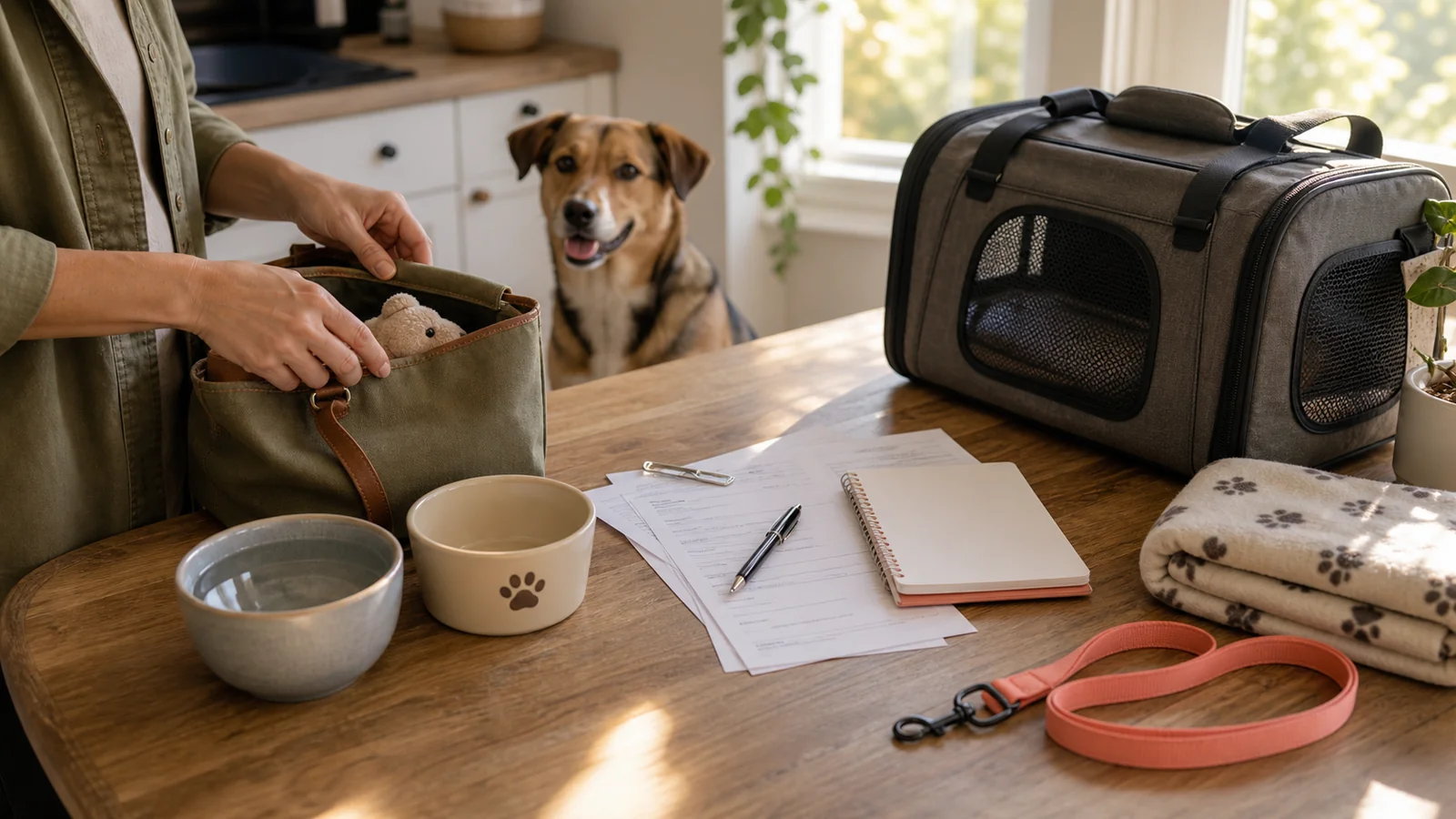
Start With A Prepared Visit
The Mary S Roberts Pet Adoption Center in Riverside, California is a well-known place for people looking to adopt dogs and cats. But a good adoption visit is not just about finding the pet that catches your eye. It is also about asking the right questions, understanding the center’s process, and deciding whether your home, schedule, and gear are ready for that specific animal.
Public information from the center describes in-person adoptions, a process that can take about an hour, and adopted pets that are spayed or neutered, vaccinated, and microchipped. Details such as hours, available animals, fees, and event promotions can change, so confirm the current information directly with the center before you go.
Use this guide as a practical visit checklist. It is written for dog and cat owners who want to bring home a pet responsibly, not just quickly.
Step 1: Check Current Adoption Details Before You Leave
Before driving to the Mary S Roberts Pet Adoption Center, check the center’s current adoption page, available pets, business hours, and visit instructions. Some adoption centers complete adoptions on a first-come, first-served basis. Some stop adoption processing before closing so staff have time to complete paperwork.
Confirm:
- Current adoption hours
- Whether the pet you saw online is still available
- Whether applications are in person, online, or both
- What identification you need to bring
- Current adoption fees
- What is included with adoption
- Whether all household members should attend
- Whether a resident dog meet-and-greet is needed
Do not treat screenshots as final. Adoptable animals can move quickly, and policies can shift around events, holidays, staffing, and medical needs.
Step 2: Know What Kind Of Pet Fits Your Life
It is easy to fall in love with a face. The better first question is whether that pet fits your daily life. Be honest about your schedule, home layout, budget, noise tolerance, training experience, and physical ability.
For dogs, think about:
- Energy level
- Adult size
- Leash manners
- Separation comfort
- Compatibility with children or other pets
- Grooming needs
- Yard or walking access
- Training time
For cats, think about:
- Age and activity level
- Litter box habits
- Comfort with handling
- Shyness or confidence
- Other cat or dog compatibility
- Scratching needs
- Safe indoor enrichment
- Hiding and climbing spaces
If you rent, review your pet policy before visiting. Our pet friendly houses for rent checklist and pet friendly apartments checklist can help you compare lease rules before you make an emotional commitment.
Step 3: Bring Practical Questions For Staff
Adoption staff and volunteers may know useful details that do not fit neatly on an online profile. Ask specific, respectful questions.
For a dog, ask:
- How does this dog handle leashing and walks?
- Has the dog met other dogs here?
- Is the dog shy, jumpy, mouthy, or noise-sensitive?
- What kind of home would be difficult for this dog?
- Does the dog show food guarding or toy guarding concerns?
- What training would help first?
- How does the dog recover after excitement?
For a cat, ask:
- Is this cat confident or slow to warm up?
- Does the cat enjoy handling?
- Has the cat lived with other cats, dogs, or children?
- Does the cat hide, climb, scratch, or vocalize a lot?
- What litter setup is familiar?
- What stress signs should you watch for?
The goal is not to find a perfect pet. The goal is to understand the pet in front of you and prepare for a realistic transition.
Step 4: Prepare The First-Week Gear Before Adoption Day
You do not need to buy every product before adoption, but you should have the basics ready before bringing a dog or cat home.
For a dog, prepare:
- Collar or harness
- Standard leash
- ID tag
- Food and water bowls
- Starter food
- Bed or crate if appropriate
- Waste bags
- Enzyme cleaner
- Grooming brush
- Safe chew toys
- Baby gates if needed
For a cat, prepare:
- Secure carrier
- Litter box
- Litter and scoop
- Food and water bowls
- Starter food
- Scratching surface
- Hiding bed or covered resting spot
- Safe toys
- Nail trimmers if you are comfortable using them
- Enzyme cleaner
Do not overbuy before you know the pet. A senior dog may need a different bed than a young, chewy dog. A shy cat may need covered hiding places before fancy climbing furniture. Start with safe basics and adjust after the first week.
Step 5: Set Up The Home Before You Bring The Pet Inside
The first hour at home matters. A newly adopted pet may be excited, shut down, curious, or overwhelmed. Prepare a calm landing zone before you leave for the adoption center.
For a dog, choose a low-traffic room or area. Remove loose cords, trash, shoes, small objects, and fragile decor. Set up water, a bed, and a leash spot by the door. If you have a yard, inspect gates before trusting them.
For a cat, start with one closed room. Put the carrier, litter box, food, water, scratching surface, and hiding spot inside. Let the cat decompress there before exploring the whole home. This reduces hiding accidents and makes litter box success more likely.
If there are children in the home, set rules before the pet arrives. No grabbing, chasing, crowding, or waking a sleeping pet. Calm distance builds trust faster than constant attention.
Step 6: Plan The Ride Home
A dog or cat leaving an adoption center may not understand what is happening. Keep the ride simple and secure.
Cats should ride in a carrier. Small dogs may also ride best in a crate or secured carrier. Larger dogs should be restrained according to the safest setup you can provide. Do not let a new pet ride loose in the car, especially before you know whether they panic, climb, chew, or bolt.
Bring:
- A leash
- A towel
- Waste bags
- Water
- A secure carrier for cats and small pets
- A second adult if possible
- Paperwork and medical records
Go straight home if you can. Avoid extra errands, crowded pet stores, and meet-the-family stops on adoption day. Your new pet has already had enough change.
Step 7: Keep The First Week Quiet And Predictable
The first week is not the time to test every dream activity. Focus on food, sleep, bathroom routine, gentle handling, and safe observation.
For dogs, use short walks, consistent potty breaks, and calm rewards. Do not rush dog park visits, patio dining, or greetings with every neighbor. If people ask to meet your new dog, our guide to asking “Can I Pet That Dog?” is a useful reminder that greetings should be optional.
For cats, keep the starter room calm. Let the cat approach you. Watch food, water, litter box use, hiding, and confidence. Open more space only when the cat is eating, resting, and using the litter box reliably.
Schedule a veterinary visit according to the adoption paperwork and your veterinarian’s advice. Even when adopted pets are vaccinated, spayed or neutered, and microchipped, your own vet should become part of the care plan.
Advanced Tips For A Better Match
Visit with a realistic household picture. If you work long shifts, travel often, live in a noisy rental, or already have pets, say so. Good matching depends on honest details.
Ask what would make the adoption fail. This question can feel awkward, but it often reveals the most important fit issues: fence needs, separation stress, cat-only homes, dog selectivity, or handling sensitivity.
Budget beyond the adoption fee. Food, litter, preventives, licensing, grooming, training, bedding, carriers, crates, and emergency care can quickly exceed the first-day cost.
Do not adopt because of pressure. If the pet is not a match, another adopter may be a better fit. A thoughtful no is kinder than a rushed yes that turns into stress later.
FAQ
Do I Need An Appointment To Adopt From Mary S Roberts Pet Adoption Center?
Public contact information says adoptions are completed in person, but procedures can change. Check the center’s current adoption instructions before visiting.
How Long Does The Adoption Process Take?
The center’s public adoption information says the process can take about one hour. Give yourself extra time for questions, meeting pets, paperwork, and end-of-day cutoffs.
What Is Usually Included With Adoption?
Public center information says adopted pets are spayed or neutered, vaccinated, and microchipped. Confirm current inclusions for the specific pet before adoption.
Should I Bring My Current Dog?
Ask the center first. Some dogs may need a managed meet-and-greet, while other situations may require a different process.
What Should I Buy Before Bringing A Pet Home?
Start with basics: carrier or leash, bowls, starter food, waste or litter supplies, bedding, ID, and safe cleaning products. Add more gear after you understand the pet’s habits.
Bottom Line
A Mary S Roberts Pet Adoption Center visit goes better when you arrive prepared. Confirm current adoption details, ask specific questions, match the pet to your real home, and set up essential gear before adoption day. The goal is not just to bring home a dog or cat. It is to make the first week calm enough for that pet to start becoming part of your household.
You might also like
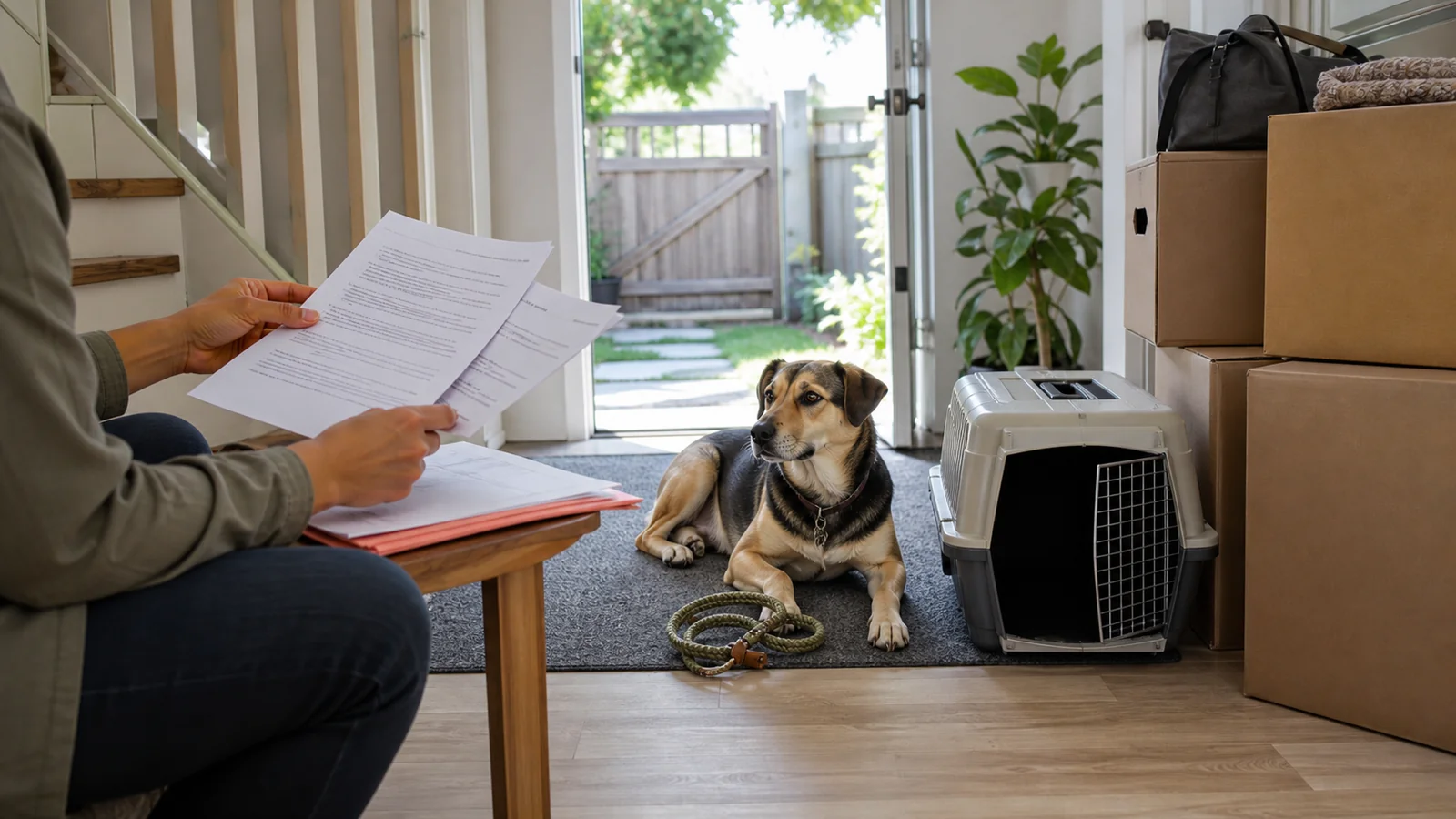
Pet Friendly Houses For Rent: A Practical Checklist
Compare pet friendly houses for rent with this checklist for policies, fees, yards, flooring, noise, and move-in gear.
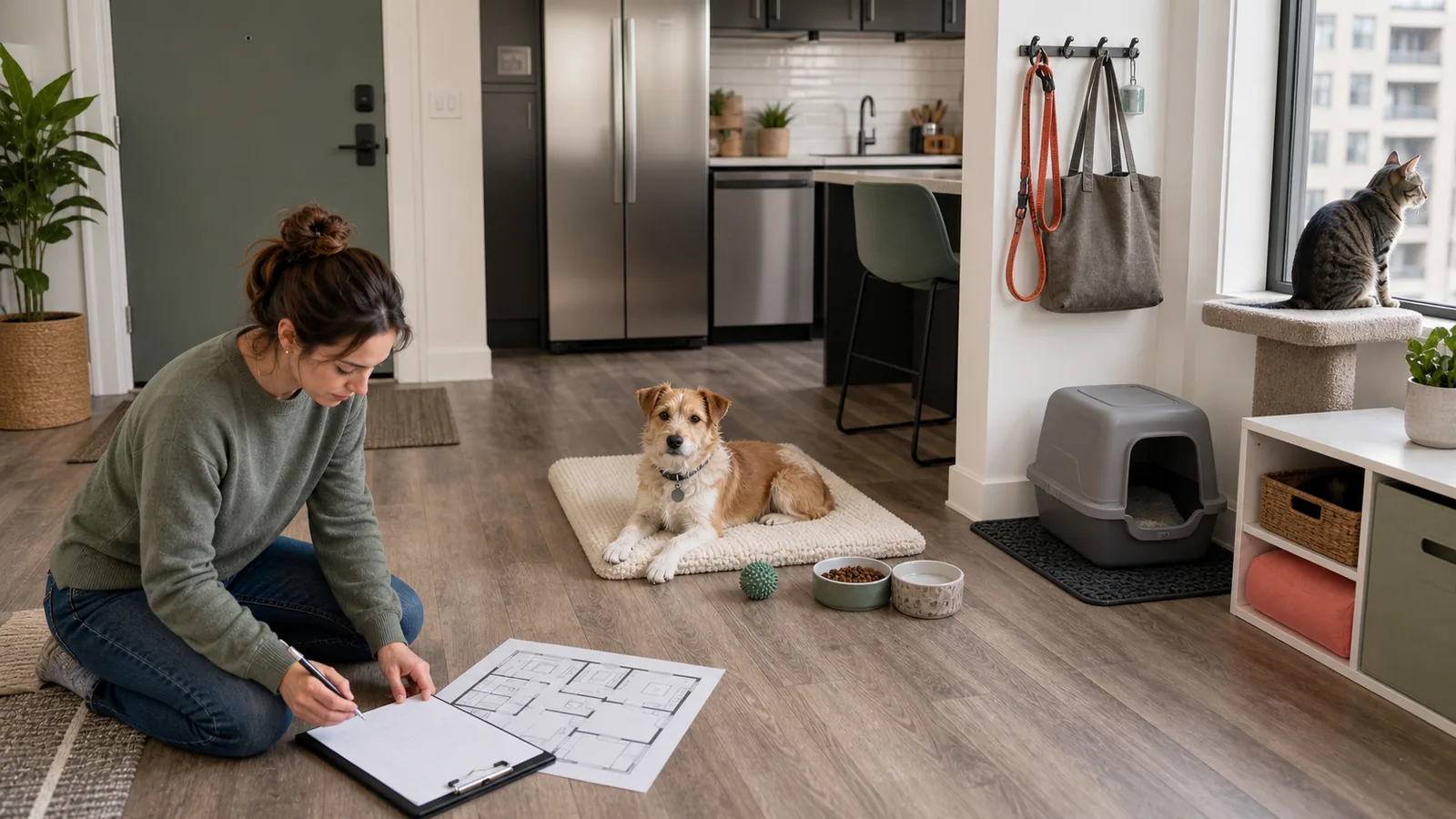
Pet Friendly Apartments: What To Check Before Applying
A renter-friendly checklist for comparing pet friendly apartments, understanding fees, and setting up a dog or cat in a smaller home.
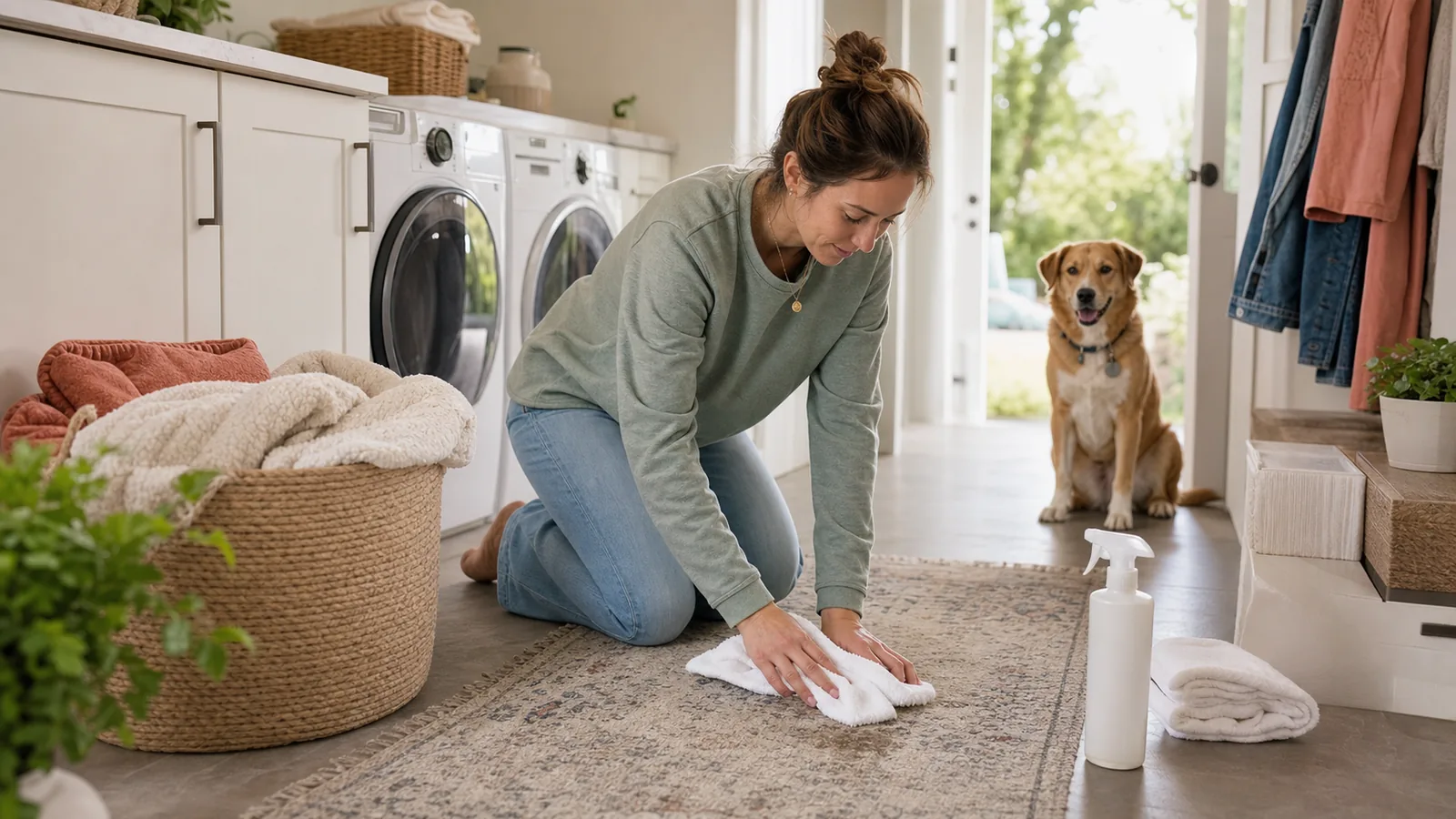
How To Remove Pet Odor From Your Home For Good
A practical room-by-room guide to finding pet odor, cleaning the source, and keeping dog and cat smells from coming back.