Pet Play: Safe Enrichment for Dogs and Cats
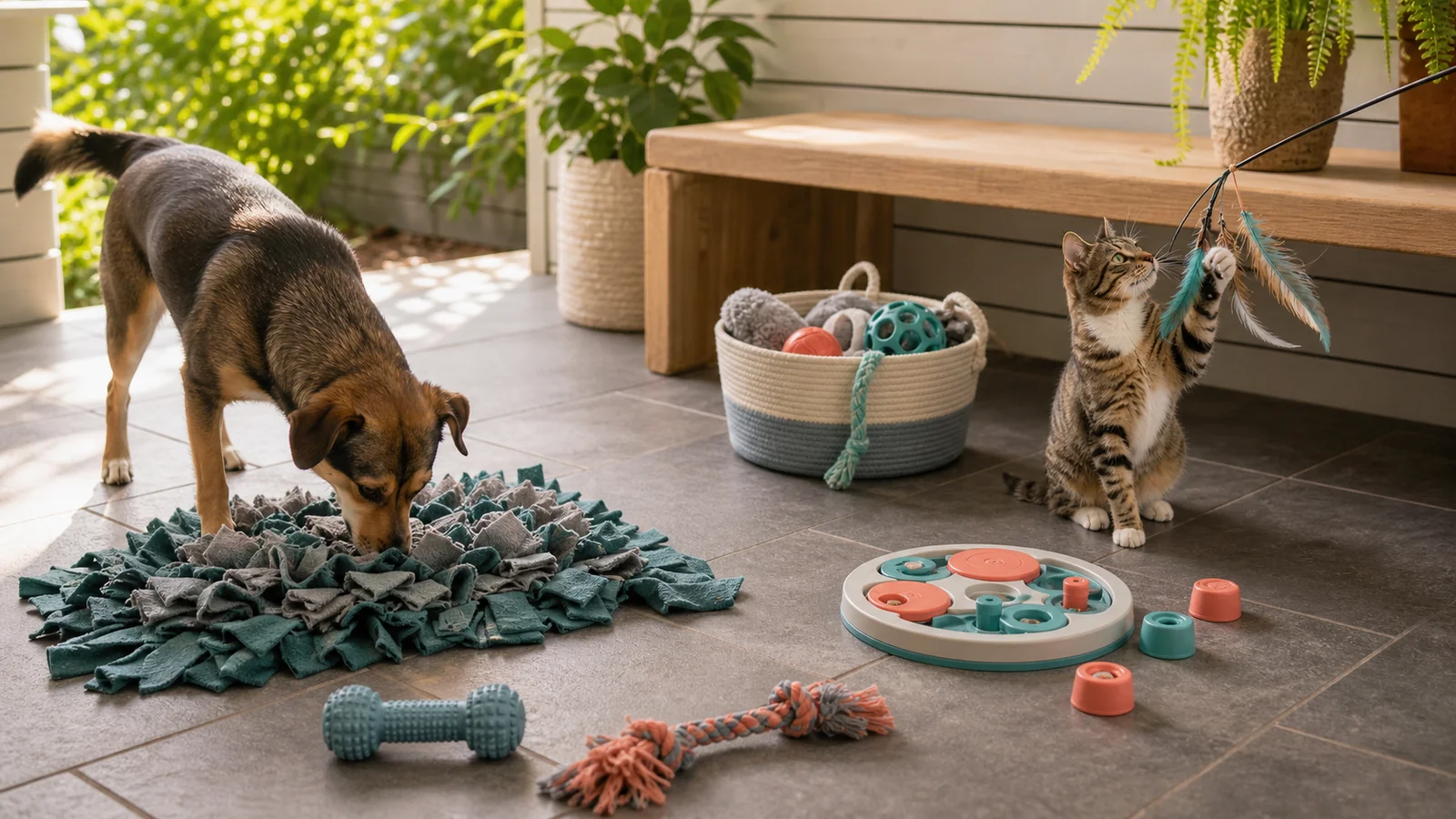
Pet Play Works Best When It Has A Purpose
Pet play is not just extra fun after the important care is done. For dogs and cats, the right play routine can support exercise, confidence, bonding, problem solving, and calmer behavior around the home. The wrong setup can also create frustration, toy guarding, swallowed pieces, or rough habits that become harder to manage later.
The best routine is simple: choose toys that match your pet’s size and play style, supervise anything new, rotate options before they become boring, and build short play sessions into normal parts of the day. You do not need a room full of gear. You need a safer plan for how the gear gets used.
This guide focuses on everyday dog and cat owners choosing play gear for a real home. We used guidance from veterinary and animal behavior organizations, common product safety advice, and practical home routines to build a play system you can repeat.
Start With Your Pet’s Play Style
Before buying more toys, watch what your pet already does. Some dogs want to tug, chase, chew, sniff, or carry. Some cats want to stalk, pounce, bat, climb, or hide. A toy that fits one instinct may do nothing for another.
For dogs, note whether your dog:
- Carries soft toys gently
- Shreds plush seams quickly
- Chews hard objects for long stretches
- Loves fetch more than tug
- Sniffs for treats instead of chasing toys
- Gets overexcited around squeakers
- Guards toys from people or other pets
For cats, note whether your cat:
- Chases wand toys
- Prefers small toys they can bat alone
- Hides before pouncing
- Climbs to play from above
- Enjoys puzzle feeders
- Loses interest after a few minutes
- Eats string, feathers, or loose parts
Those patterns matter more than the front of the package. A heavy chewer may destroy a cute plush toy in one afternoon. A shy cat may ignore a noisy electronic toy but love a quiet wand session behind a chair.
Choose Safer Toys Before You Choose Fun Toys
Pet play should start with safety checks. No toy is completely risk-free, so the goal is to match the toy to the pet and remove it when it changes condition.
Check size first. A toy should be too large to swallow and appropriate for your pet’s mouth, jaw strength, and body size. Small balls, loose bells, tiny plush parts, and broken chew pieces can become choking or blockage risks.
Check material next. Very hard toys can be rough on teeth, especially for determined chewers. Soft toys can be safer for gentle pets but risky for dogs or cats that remove stuffing. Rope toys can fray. Cat toys with string, ribbon, feathers, or elastic should be put away after supervised play if your cat tries to chew or swallow pieces.
Use this quick toy audit:
| Toy type | Best use | Watch for |
|---|---|---|
| Plush toys | Carrying, gentle fetch, comfort play | Torn seams, loose stuffing, squeakers |
| Rubber chew toys | Chewing and food stuffing | Cracks, missing chunks, wrong hardness |
| Rope toys | Tug and supervised chewing | Fraying, swallowed strands |
| Balls | Fetch and chase games | Size, cracks, slippery surfaces |
| Wand toys | Cat chase and pounce sessions | Loose string, feathers, elastic |
| Puzzle feeders | Slower meals and mental work | Frustration, stuck food, sharp edges |
| Snuffle mats | Scent work and slower treats | Loose fabric strips, chewing the mat |
Inspect toys weekly, and inspect favorites more often. If a toy has changed shape, opened a seam, splintered, or started shedding parts, retire it.
Build A Daily Play Routine
Short play sessions usually work better than one long, chaotic burst. Many pets stay more engaged when play has a beginning, a clear game, and a calm ending.
For dogs, try two or three short sessions around natural energy points: after a morning potty break, before dinner, or before settling in the evening. Rotate between movement games and thinking games. A fetch session, a tug game with rules, and a five-minute sniffing puzzle work different parts of your dog’s brain and body.
For cats, play often works best in short hunting-style sequences. Let your cat stalk, chase, pounce, and “catch” the toy. Then offer a small meal or treat after play when it fits your routine. Many indoor cats engage better when the toy moves like prey instead of waving randomly in the air.
Keep sessions short enough that your pet can succeed. End while the game is still positive, not when your dog is frantic or your cat has walked away five times.
Use Rotation Instead Of Buying Constantly
Toy rotation keeps pet play fresher without filling every basket in the house. Put most toys away and leave out a few safe options. Every few days, swap in different textures, shapes, or games.
A simple rotation can look like this:
- Leave out one safe solo toy.
- Keep one supervised toy for play with you.
- Use one food puzzle or snuffle activity.
- Store string, wand, and fragile toys out of reach.
- Retire damaged toys before adding new ones.
Dogs may get excited when an older toy returns after a break. Cats may respond better when the same wand toy appears less often and moves in a more realistic pattern.
Rotation also helps you notice what actually earns space in your home. If a toy is ignored every time it returns, your pet may not need that style.
Make Dog Play Safer
Dog play needs a mix of movement, sniffing, chewing, and impulse control. A dog that only gets high-speed chase games may become more excited without becoming more settled.
For fetch, use a toy that is easy to see, easy to clean, and large enough for your dog. Avoid throwing on slippery floors, steep stairs, or hard surfaces where sudden stops can be rough on joints. Keep sessions moderate for puppies, senior dogs, and breeds prone to overheating.
For tug, teach simple rules. Start when invited, pause when asked, and reset if teeth touch skin. Tug does not have to create bad manners when the game has structure. It can be a useful outlet for dogs that love to pull and grip.
For chewing, choose items made for your dog’s size and chewing strength. Watch the first few sessions closely. If your dog breaks off pieces, tries to swallow the toy, or guards it intensely, switch to a different style and talk with a trainer or veterinarian if guarding escalates.
If walks are part of your play routine, gear matters too. A predictable leash setup gives you more control when play turns into greetings, squirrels, or sidewalk distractions. Our Jelly Pet standard dog leash review explains why simple daily walking gear can be easier for many households than multi-mode equipment.
Make Cat Play More Natural
Cat play is often most successful when it follows the shape of hunting. The toy should hide, pause, dart, and move away from the cat. Constantly pushing a toy into your cat’s face can feel annoying instead of exciting.
Wand toys are useful because they let you create distance between your hands and your cat’s claws. Store them after play, especially if they include string, feathers, or elastic. Many cats should not have unsupervised access to anything they might chew apart.
Solo toys can help between interactive sessions, but they should still be checked. Small felt mice, crinkle balls, and track toys can be good options for some cats. If your cat swallows fabric, plastic, or string-like pieces, be stricter about what stays out.
Puzzle feeders can add mental work, especially for indoor cats that eat quickly or seem bored. Start easy. If the puzzle is too hard, a cat may quit instead of learning. The goal is not to make dinner difficult. It is to add a small amount of problem solving.
Add Enrichment Beyond Toys
Good pet play is broader than toys. Enrichment means giving your pet safe ways to use normal behaviors. For dogs and cats, that can include scent, movement, exploration, problem solving, resting spots, and predictable routines.
Try these low-pressure ideas:
- Hide a few treats in a snuffle mat
- Scatter part of a meal in a safe search area
- Move a cat perch near a window
- Create a cardboard box play zone for a cat
- Teach a dog a simple cue with food rewards
- Let your dog sniff on part of a walk
- Rotate safe textures, sounds, and shapes
- Use washable mats under messy food puzzles
Match enrichment to your home. In an apartment, quiet puzzle work may be better than indoor fetch. In a multi-pet home, separate play zones may prevent crowding and resource tension.
If your broader home setup needs a safety pass, our Pet Okay safety checklist can help you scan cords, plants, cleaning products, exits, and shared spaces before adding new gear.
Manage Multi-Pet Play
Dogs and cats do not automatically enjoy sharing play. Even friendly pets can clash when toys, food puzzles, or excited movement are involved.
Use separation when needed. Feed puzzles in different rooms. Give cats vertical escape routes. Do not let a dog chase a cat as “play” unless the cat clearly chooses the interaction and can leave. Watch body language: loose movement and voluntary re-engagement are good signs; hiding, stiff posture, growling, hissing, blocking, and repeated escape attempts mean the game needs to stop.
In homes with multiple dogs, avoid leaving high-value chews or food toys loose if they trigger guarding. Supervised group play can be fine, but each pet should still get individual play time that matches their own style.
Clean And Store Play Gear
Pet toys collect saliva, fur, dirt, litter dust, and food residue. Cleaning is part of safe play, especially for food puzzles and toys that travel outdoors.
Wash toys according to the material and label. Rubber food toys often need a thorough rinse and drying so food does not sour inside. Fabric toys may be machine washable, but remove damaged ones instead of washing them forever. Snuffle mats need enough drying time after washing so they do not smell musty.
Create a storage system with two zones: safe solo toys your pet can access, and supervised toys that stay put away. Wand toys, string toys, fragile puzzles, and high-value chews often belong in the supervised zone.
For homes where pet smell builds up around fabrics, mats, and toy baskets, our guide on how to remove pet odor covers the cleaning order that works better than masking smells.
Troubleshooting Common Play Problems
If your dog gets too rough, shorten the session and choose a calmer game before excitement peaks. Use more sniffing, training, and food puzzles instead of only chase and tug.
If your cat ignores toys, change the movement before buying more. Try slower starts, hiding the toy behind furniture, playing at dusk, or using a shorter session. Some cats need privacy and patience before they join in.
If your pet destroys every toy, choose sturdier options and supervise closely. Destruction can be normal play, but swallowing pieces is not. The toy must fit the pet in front of you, not the average pet on the label.
If your pet guards toys, do not forcefully take items away as a routine. Trade for treats, reduce access to high-value items, and ask a qualified trainer or veterinarian for help if the behavior is intense or escalating.
If play creates conflict between pets, separate the games. Shared play is not required for a happy household.
FAQ
How Much Pet Play Does A Dog Or Cat Need?
It depends on age, health, breed, personality, and home routine. Most pets do better with several short sessions instead of one long session. Watch whether your pet settles better afterward.
Are Puzzle Toys Good For Pets?
Puzzle toys can be useful when they match your pet’s skill level. Start easy, supervise new puzzles, and stop if your pet chews the puzzle itself or becomes frustrated.
Should Cats Have String Toys All Day?
Most string, ribbon, feather, and elastic toys should be stored after supervised play. Cats that chew or swallow string-like materials need especially careful toy control.
What Toys Are Best For Dogs That Chew Hard?
Choose durable toys made for your dog’s size and chewing style, then supervise closely. Avoid toys that crack, splinter, or lose chunks. Very hard items may also be rough on teeth.
How Often Should I Replace Pet Toys?
Replace toys whenever they become damaged, small enough to swallow, dirty beyond cleaning, or unsafe for your pet’s current behavior. Favorite toys may need weekly checks.
Bottom Line
Pet play is safest when it is chosen, supervised, rotated, and cleaned with your specific dog or cat in mind. Start with your pet’s natural play style, choose toys that fit their size and habits, and build short routines that mix movement with mental work. A small set of well-used toys will do more for your pet than a basket full of unsafe or ignored gear.
You might also like
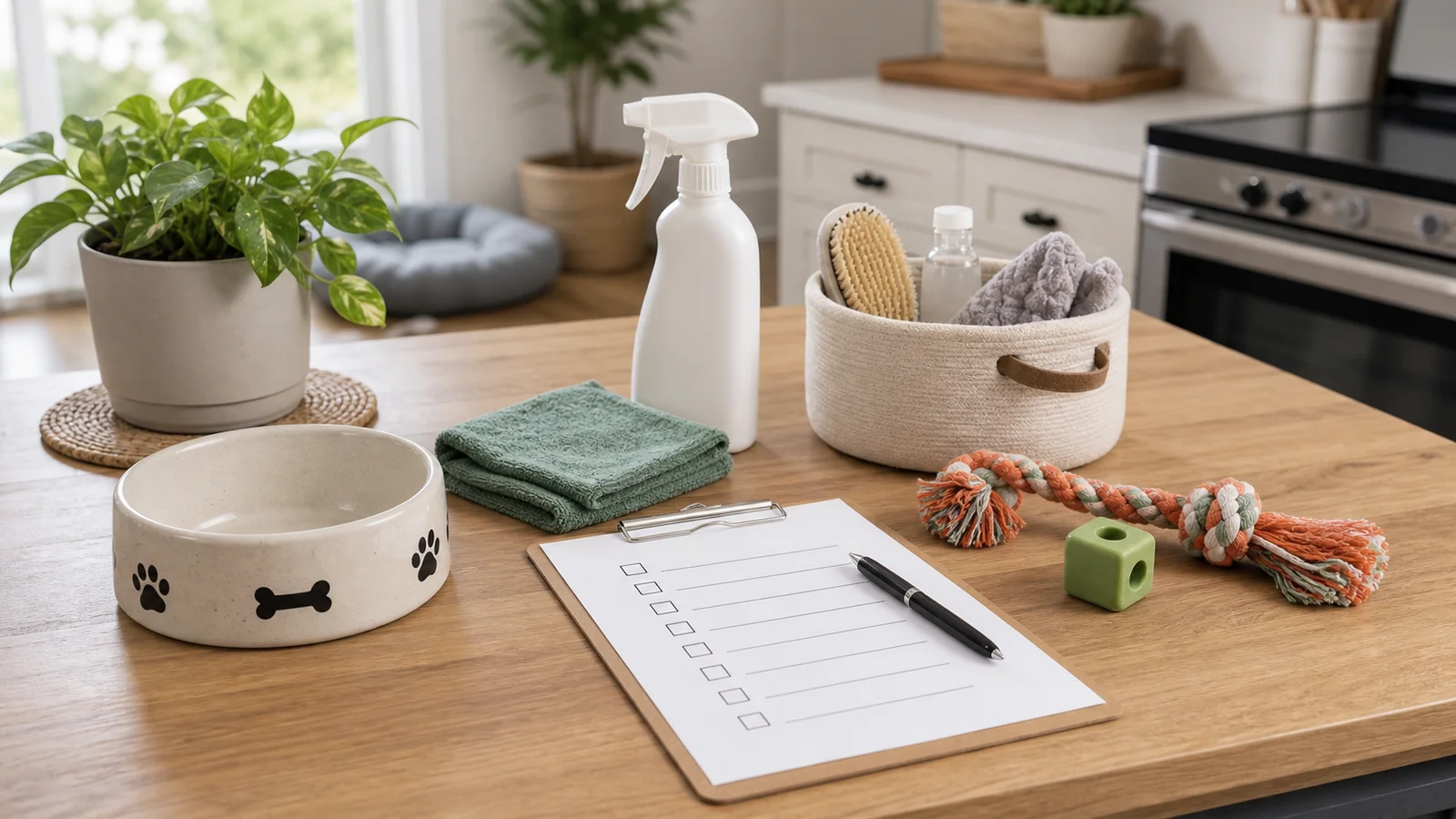
Pet Okay? A Quick Safety Checklist for Owners
Use this pet okay checklist to judge products, rooms, foods, greetings, symptoms, and when to call a veterinarian.
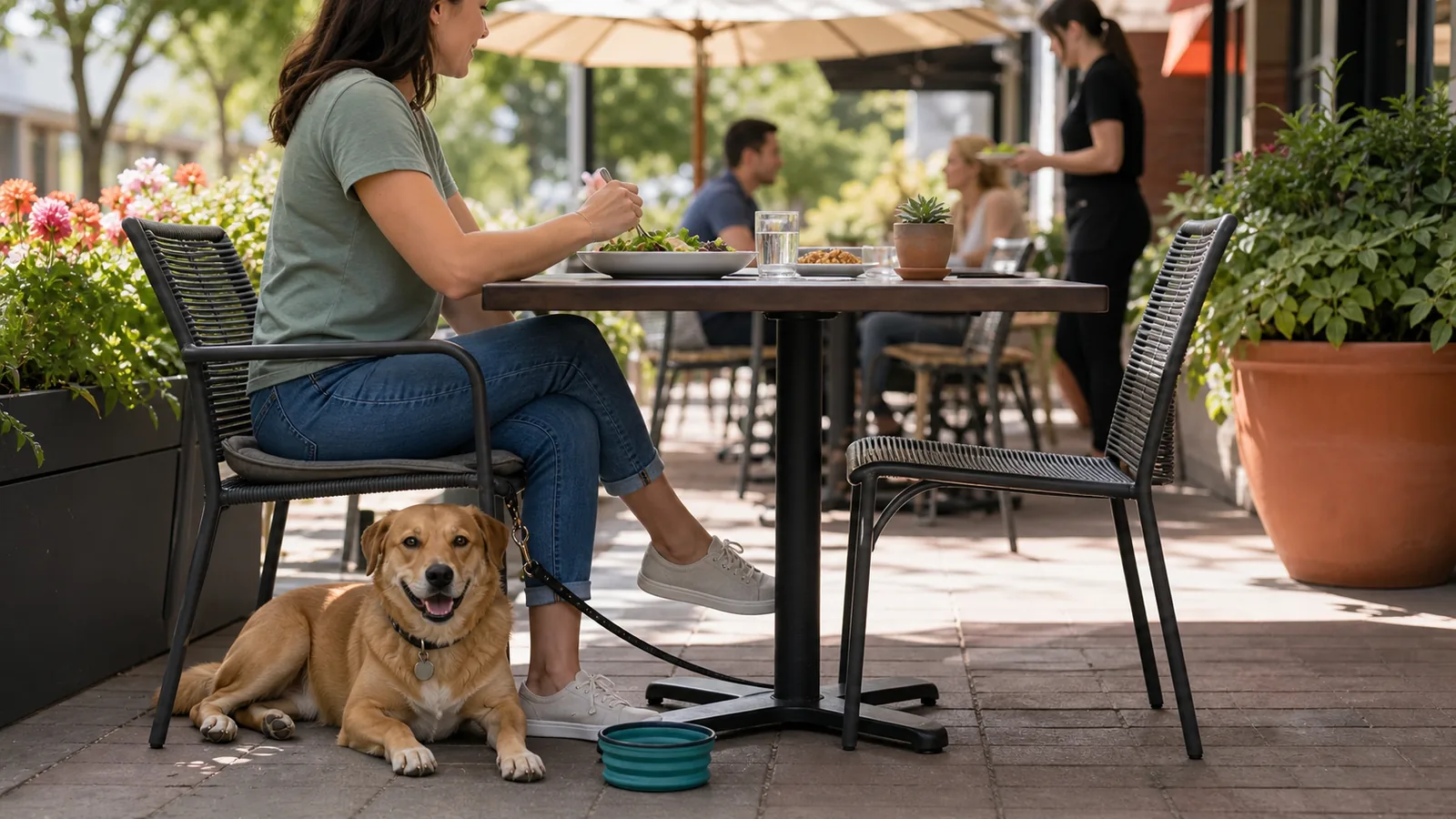
Pet Friendly Restaurants Near Me: How To Check
A practical guide to finding dog-friendly restaurant patios, confirming rules, and deciding when your pet should stay home.
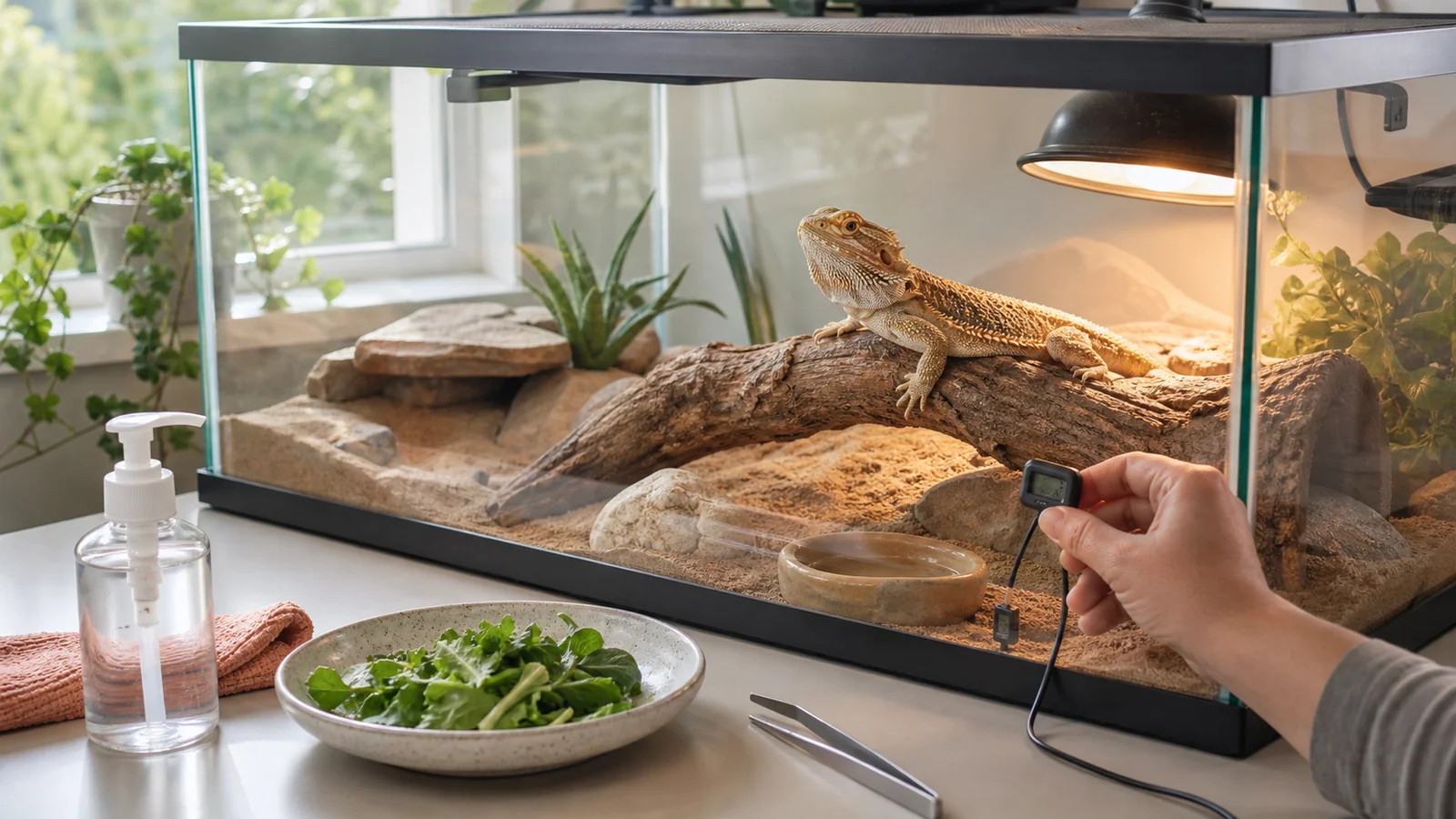
Bearded Dragon Pet Setup Guide for Beginners
Decide if a bearded dragon pet fits your home, budget, handling comfort, and setup needs before buying gear.