The Dalles Pet Limits: Owner Checklist
Start With The Current Rule, Then Plan The Home
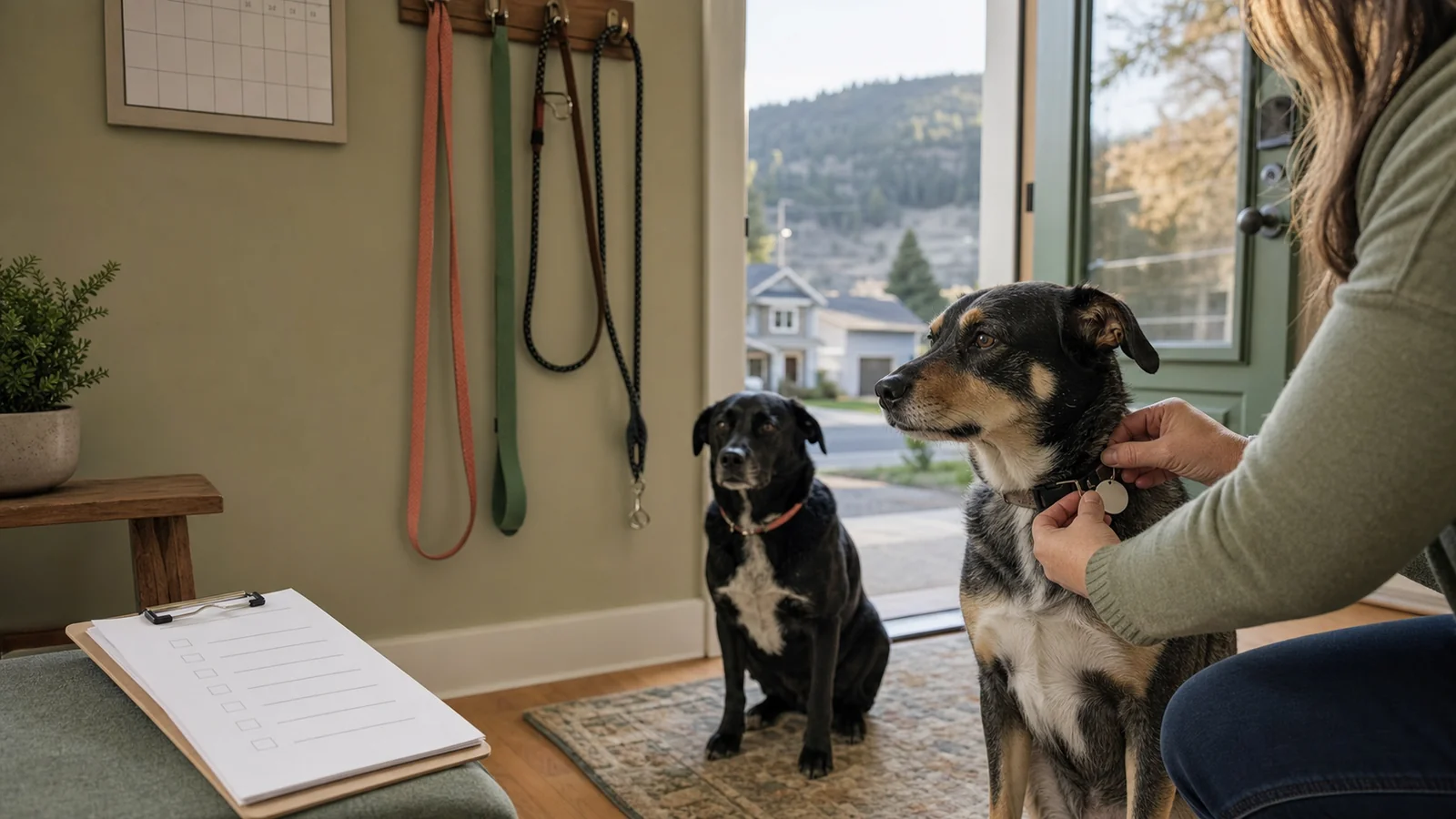
The Dalles pet limits matter most before you sign a lease, add another dog, or move pets into a new home. The city has local animal rules, Wasco County handles dog licensing, and landlords or homeowners associations may add stricter limits of their own.
This guide is a practical checklist for dog and cat owners, not legal advice. We looked at the City of The Dalles animal control information, The Dalles municipal code, Wasco County dog licensing information, and local reporting around the 2026 licensing change. Use it to organize your next steps, then confirm the current rule with the city, county, or your housing provider.
Quick Checklist
Use this short pass before you buy gear or bring another pet home.
| Check | Why it matters |
|---|---|
| City animal rules | Local rules can cover noise, running at large, sanitation, and nuisance behavior. |
| Dog license deadline | Wasco County dog licensing rules changed for dogs inside The Dalles city limits in 2026. |
| Lease or HOA limit | Private housing rules may be stricter than the city rule. |
| Pet type and number | Dogs, cats, poultry, livestock, and exotic pets may fall under different rules. |
| Space and containment | Fences, carriers, leashes, crates, and gates help prevent violations. |
| Vaccination records | Rabies records are often needed for licensing and housing paperwork. |
| Neighbor impact | Barking, waste, odor, and roaming problems can trigger complaints. |
If one of these items is unclear, pause before adding another pet. It is much easier to confirm the limit first than to solve a complaint later.
What “Pet Limits” Can Mean In The Dalles
When people search for The Dalles pet limits, they may be asking several different questions.
They might mean:
- How many dogs or cats can live in one home
- Whether a dog needs a city or county license
- Whether pets are allowed in a rental
- Whether a fence or leash is required
- Whether chickens, goats, reptiles, or other animals are treated differently
- What happens if a pet barks, bites, escapes, or creates a nuisance
Do not assume one answer covers every situation. A normal dog-and-cat household is different from breeding, boarding, foster volume, livestock, or commercial pet activity. The more unusual your setup is, the more important it is to ask the city directly.
Step 1: Confirm The City Rule
Start with the City of The Dalles animal control or municipal code resources. Local animal rules can change, and online summaries may lag behind current code. Look for the city page, code chapter, or department contact that covers animals, dog control, and licensing.
When you check the city rule, write down:
- The date you checked it.
- The page or code section you used.
- The number and type of pets in your home.
- Whether your property is rented, owned, or part of an HOA.
- Any special situation, such as foster pets, intact animals, or outdoor enclosures.
If the page does not clearly answer your question, call or email the city before you add another pet. Ask about your exact setup instead of asking a broad “How many pets can I have?” question.
Step 2: Check Dog Licensing
Dog licensing is separate from the number of pets allowed in a home. A license does not automatically mean you can keep any number of dogs, and a pet limit does not remove licensing duties.
For The Dalles owners, the key practical point is that Wasco County dog licensing now matters for dogs inside city limits. Local public notices around the change said licensing for dogs within The Dalles city limits shifted to Wasco County effective January 7, 2026, with a July 1, 2026 licensing deadline. Because those dates are time-sensitive, confirm the current county instructions before relying on them.
Have these items ready:
- Current rabies certificate
- Spay or neuter documentation if it affects the fee
- Your dog’s age and description
- Microchip number, if available
- Owner contact information
- Payment method
Keep a photo of the license and rabies certificate on your phone. It can help if a dog gets loose, a landlord asks for records, or you need to update a boarding or grooming profile.
Step 3: Read Your Lease Or HOA Rules
Renters should check housing rules even if the city allows pets. A lease may limit the number of animals, weight, breed, noise, outdoor access, deposits, or required documentation. An HOA may also have pet rules for fences, waste, leashes, or common areas.
Before you adopt or buy another pet, ask for the rule in writing. Save it with your license and vaccination records.
Check for:
- Maximum number of pets
- Dog weight or breed language
- Cat limits
- Required deposits or pet rent
- Visiting pet rules
- Foster pet restrictions
- Balcony, yard, and waste rules
- Noise complaint policy
This matters for gear too. A renter with two dogs in a small apartment may need better gates, washable mats, odor control, and walking routines than an owner with a fenced yard.
Step 4: Match Gear To Compliance Problems
Good pet gear does not replace local rules, but it can prevent common problems. Most complaints come from everyday friction: barking, escapes, waste, odor, damage, or unsafe control in public.
For dogs, focus on:
- A sturdy leash and backup collar or harness
- Visible ID tag and license tag
- Poop bags kept near the door and in the car
- A crate, gate, or exercise pen for safe containment
- A washable entry mat for muddy paws
- A quiet enrichment toy for high-energy indoor time
- A secure fence check if you use a yard
For cats, focus on:
- Covered or well-placed litter boxes
- Litter mats and odor control
- Scratching posts in high-use rooms
- Window screens and door control
- Carriers for vet visits and emergencies
- Microchip registration and collar ID if your cat tolerates one
If odor is your main worry, start with cleaning routines before buying gadgets. Our guide on how to remove pet odor explains why washable surfaces, litter habits, and bedding cleanup matter more than fragrance.
Step 5: Prevent Nuisance Complaints
Even when your pet count is allowed, nuisance problems can still create trouble. The basics are simple: keep pets contained, clean up waste, control noise, and prevent roaming.
Build a routine around the problem your pet is most likely to create.
Barking
Do not wait for a complaint. Track when barking happens: delivery times, people walking by, separation, yard time, or boredom. Then adjust the setup. Window film, indoor rest zones, white noise, training, and better exercise can help, depending on the dog.
Roaming
Check gates, latches, fence gaps, and door habits. A dog that slips out repeatedly can create safety and legal problems fast. Use a leash before opening the door if guests, kids, or deliveries make escapes likely.
Waste
Keep cleanup supplies where you actually need them. That usually means near the door, in the car, and attached to the leash. For yards, pick up waste often enough that odor and runoff do not build up.
Odor
Wash bedding, clean litter boxes, and dry damp gear. Pet odor often comes from fabric and hidden residue, not the pet alone.
Step 6: Plan For Adding Another Pet
If you already have pets, do a written count before adding one more. Include permanent pets, foster pets, visiting pets, and any animals kept mostly outdoors. Then check whether the new pet changes your housing, licensing, or containment needs.
Ask yourself:
- Will this pet push us over a lease or HOA limit?
- Do we need another license or vaccine record?
- Can each pet eat, sleep, and eliminate without conflict?
- Do we have enough litter boxes or walking time?
- Will noise increase?
- Can we safely transport every pet in an emergency?
- Do we have budget for grooming, food, vet care, and replacement gear?
If you are already close to a limit, consider improving the current setup before adding another animal. More pets amplify small problems.
Step 7: Keep A Pet Paperwork Folder
A simple folder can make local compliance much easier. Use a paper folder, cloud folder, or both.
Save:
- Rabies certificates
- Dog license receipts
- Microchip registration
- Adoption or purchase records
- Lease pet addendum
- HOA pet rules
- Vet contact information
- Clear photos of each pet
- Emergency caregiver instructions
Update it after each vet visit or license renewal. If a pet gets lost or a housing question comes up, you will not be searching through old emails under pressure.
Common Mistakes To Avoid
The biggest mistake is relying on a neighbor’s answer. A neighbor may own a different property type, have a grandfathered setup, or be ignoring a rule you still need to follow.
Other common mistakes include:
- Confusing dog licensing with permission to keep unlimited dogs
- Forgetting that rentals can be stricter than city rules
- Ignoring cats because the licensing page focuses on dogs
- Assuming online snippets are current
- Waiting until after adoption to ask about limits
- Letting barking or waste become the real problem
- Buying gear before confirming the home setup is allowed
If you are unsure, ask the city, county, landlord, or HOA for written guidance.
FAQ
How Many Pets Can I Have In The Dalles?
Check the current City of The Dalles municipal code or animal control page for your exact property and animal type. Rental and HOA rules may set stricter limits than the city.
Do Dogs In The Dalles Need A License?
Dogs inside The Dalles city limits are handled through Wasco County licensing under the 2026 change described by local officials. Confirm current county instructions, deadlines, and required rabies documentation.
Are Cat Limits The Same As Dog Limits?
Not always. Dog licensing, nuisance rules, rental rules, and general animal limits can treat cats and dogs differently. Check the current rule instead of assuming they match.
Can My Landlord Limit Pets Even If The City Allows Them?
Yes. Private rental terms can be stricter than local pet limits, as long as they comply with applicable housing law. Review your lease and ask for written approval before adding a pet.
What Gear Helps Avoid Pet Rule Problems?
Start with ID tags, licenses, leashes, containment gates, litter supplies, waste bags, washable mats, and odor-control routines. Gear should support the rule, not replace checking it.
Bottom Line
The Dalles pet limits are not just a number. They are a mix of city rules, Wasco County dog licensing, housing policies, and daily neighbor-friendly pet care. Confirm the current rule first, keep your paperwork organized, and use practical gear to prevent the problems that usually lead to complaints.
You might also like

Bearded Dragon Pet Setup Guide for Beginners
Decide if a bearded dragon pet fits your home, budget, handling comfort, and setup needs before buying gear.

Pet Retailer Chapter 11: Shopping Checklist
A practical checklist for pet owners handling orders, gift cards, autoship, returns, and backups during retailer Chapter 11.
Pet Play: Safe Enrichment for Dogs and Cats
Build safer pet play with the right toys, supervision, rotation, and simple enrichment routines for dogs and cats.