Pet Retailer Chapter 11: Shopping Checklist
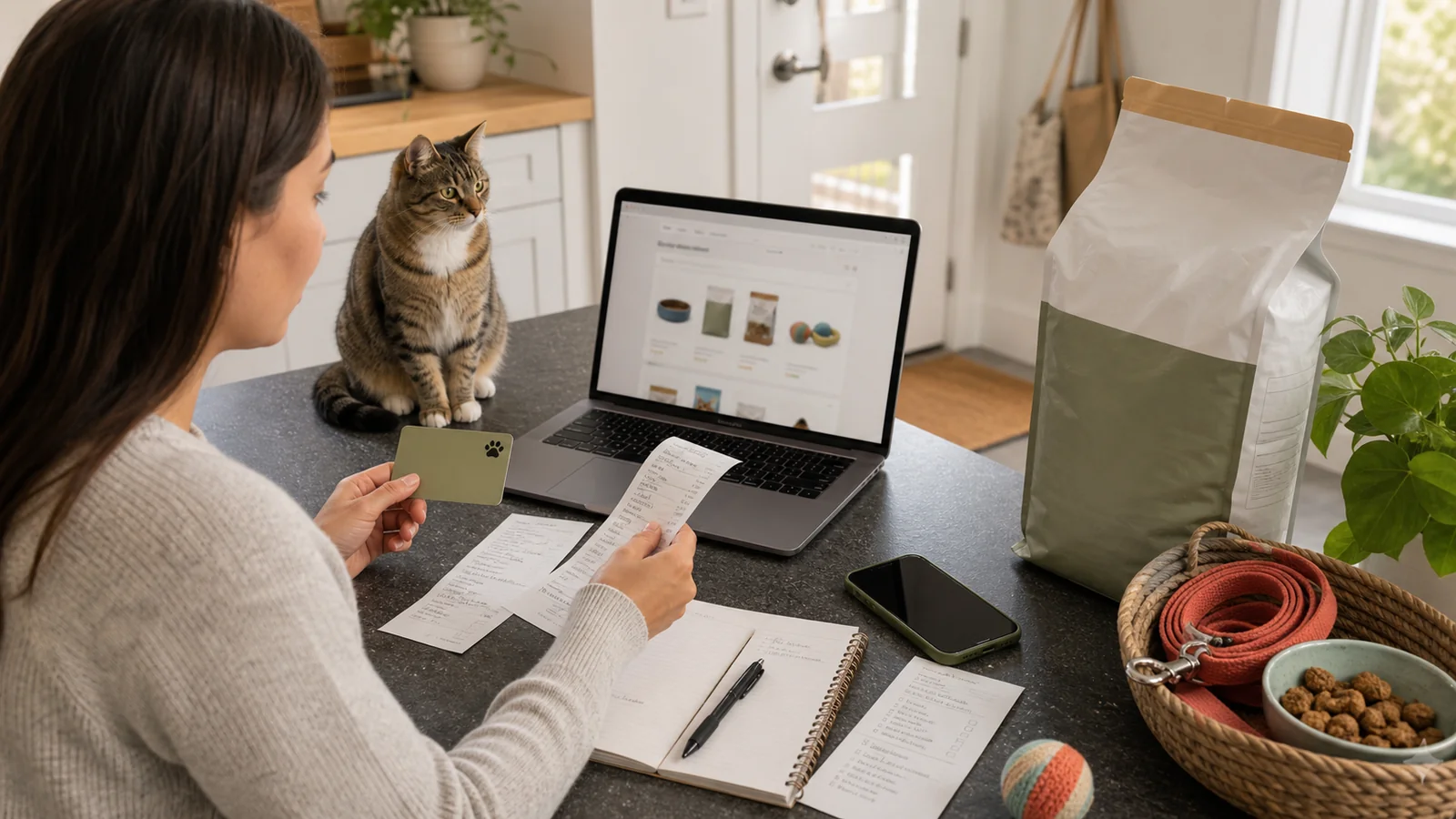
Chapter 11 Does Not Mean You Should Panic-Buy
When a pet retailer Chapter 11 story appears, the first worry for pet owners is practical: Will my order ship? Can I still use a gift card? What happens to autoship food, medication reminders, returns, rewards points, and warranty support?
Chapter 11 is a U.S. bankruptcy process that can let a business keep operating while it reorganizes. That means a filing is not the same as every store closing tomorrow. But it is still a signal to get organized, especially if your pet depends on a specific food, litter, supplement, carrier, bed size, or replacement part.
This checklist is consumer shopping guidance, not legal advice. It focuses on what a dog or cat owner can do right away: protect records, reduce single-retailer dependency, and keep essential pet supplies from being caught in a business disruption.
Sort Your Pet Supplies By Urgency
Start with your pet, not the retailer. List the items your household cannot easily replace in a few days.
Put these in the urgent group:
- Prescription food
- Regular food for sensitive stomachs
- Medication-adjacent supplies
- Litter your cat reliably uses
- Flea, tick, or grooming supplies you buy on a schedule
- Carrier, crate, or harness parts needed for travel
- Replacement filters, bags, or pads for pet appliances
- Special sizing for beds, ramps, gates, or mobility gear
Put nice-to-have items in a separate group. Extra toys, seasonal outfits, duplicate beds, decorative bowls, and nonessential accessories do not need the same level of backup planning.
This split helps you avoid two mistakes: ignoring a real supply risk, or panic-buying items your pet does not actually need.
Check Open Orders First
If you have an open order, collect the order number, receipt, payment method, shipment status, and any customer service messages. Save screenshots or PDFs outside the retailer account in case the account portal changes.
Then check the order status directly through the retailer and carrier. If the package has already shipped, track it through the carrier. If the order has not shipped and the item is essential, consider buying a backup from another reliable source before you run out.
Do not cancel automatically unless you understand the refund path. A canceled order can still take time to refund, and payment protections vary by card, retailer policy, and timing. If the order is expensive or time-sensitive, contact the card issuer or payment provider to understand your options.
Keep the tone simple when contacting support:
| Question | Why it matters |
|---|---|
| Has my order shipped? | A label alone may not mean the package is moving. |
| Is the item in stock and allocated? | Backorders can become harder during restructuring. |
| What is the refund timeline? | You need to know whether to reorder elsewhere. |
| Are returns still accepted? | Policies can change during closures or liquidation events. |
| Will warranty support continue? | Some gear depends on retailer or brand support. |
Use Gift Cards And Store Credit Carefully
Gift cards, merchandise credit, and rewards balances can become uncertain when a retailer restructures. In some cases, a company may keep honoring them. In other cases, rules can change, deadlines can appear, or value can become harder to use.
If you have a meaningful balance, consider using it for supplies you would already buy soon. Avoid turning a gift card into a larger risky purchase just to use every dollar. For example, buying one bag of food you already trust is more sensible than buying an expensive electronic feeder you cannot return easily.
Before using store credit, check:
- Whether online and store redemption both work
- Whether clearance or closing-sale items are returnable
- Whether shipping fees make the redemption poor value
- Whether rewards points have an expiration date
- Whether the item is essential enough to justify the risk
Save the receipt after redemption. If the retailer later changes return or warranty support, your records will matter.
Review Autoship And Subscriptions
Autoship is convenient until the supply chain behind it becomes uncertain. If you rely on recurring food, litter, filters, supplements, or waste bags, check the next shipment date and compare it with how much inventory you have at home.
For essential items, keep a short buffer. A two-to-four-week supply is often more useful than a huge stockpile, especially for food with expiration dates or pets that reject sudden changes.
Then decide whether to:
- Keep the autoship active and monitor it.
- Move the next shipment earlier.
- Pause the subscription and buy elsewhere.
- Cancel after you receive a confirmed replacement source.
Do not switch pet food abruptly unless you have no choice. If your dog or cat has a sensitive stomach, plan a gradual transition and ask your veterinarian for advice when medical diets are involved.
Build A Backup Retailer List
A pet retailer Chapter 11 situation is a reminder not to depend on one store for every essential. Build a short backup list while you are calm, not when the food bin is empty.
For each critical item, write down:
- The exact product name
- Size, flavor, formula, or model
- Your pet’s accepted alternatives
- Two other retailers that carry it
- The brand’s direct website, if useful
- Local stores that may have same-day pickup
- Return rules for unopened items
If a product is brand-specific, check whether the manufacturer lists authorized retailers. This is especially useful for prescription diets, appliance filters, replacement parts, and higher-cost gear.
For general gear decisions, keep your standards steady. A business filing is not a reason to buy a poorly fitting carrier, unstable gate, or wrong-size bed. If you need a broader home safety pass before changing gear, our Pet Okay safety checklist can help you compare risks around exits, cords, surfaces, and shared spaces.
Be Careful With Clearance And Final-Sale Deals
Restructuring news can bring discounts, store closing signs, or final-sale language. Some deals are useful. Others are expensive clutter with no return path.
Before buying clearance pet gear, ask four questions:
- Would I buy this at a normal price?
- Does it fit my pet now?
- Can I inspect it for damage or missing parts?
- Am I comfortable if I cannot return it?
Be extra cautious with electronic feeders, fountains, GPS trackers, training collars, heated beds, ramps, crates, and carriers. These items depend on correct fit, safety, instructions, parts, or support. A steep discount does not help if the product is missing a charger, filter, panel, manual, or warranty path.
For consumables, check expiration dates and packaging. Do not buy torn bags of food, leaking supplements, damaged flea products, or litter that has absorbed moisture.
Protect Returns, Warranties, And Records
If you recently bought a higher-cost pet product, save records now. Keep receipts, order pages, serial numbers, product photos, warranty cards, and customer service messages in one folder.
This is useful for:
- Crates and carriers
- Electronic feeders and fountains
- Pet cameras
- Air purifiers and filters
- Washers or appliance accessories bought for pet hair
- Orthopedic beds and ramps
- Harnesses or strollers with special sizing
If the retailer cannot help later, the manufacturer may still offer support. Your chance is better when you can show the purchase date, model, serial number, and problem clearly.
For appliances and larger home gear, keep expectations realistic. Retailer return policies, manufacturer warranties, and payment-card protections are different things. If you are buying a pet-hair laundry appliance, for example, our Maytag Pet Pro washer review is framed around product fit and cleanup needs, not retailer-specific warranty promises.
Watch For Scams And Confusing Imitation Sites
Retail disruption can create confusion. Search results, social posts, and email ads may point to lookalike stores, fake clearance pages, or unfamiliar sellers using a known retailer’s name.
Before entering payment information, check the URL, spelling, contact information, return policy, and whether the site has a realistic history. Be cautious with prices that are far below normal, especially on prescription food, flea products, crates, electronics, and high-demand pet gear.
Use a payment method with consumer protections when possible. Avoid unusual payment requests, wire transfers, gift-card payments, or sellers that pressure you to act immediately.
If you receive a message about an order, go directly to the retailer or carrier website instead of clicking a link in the message.
Keep Your Pet’s Routine Stable
Your pet does not know why a retailer is restructuring. They only notice if food changes, litter changes, medication routines slip, or familiar gear disappears.
Try to protect the routine:
- Keep the same food while you find backup sources.
- Transition slowly if a formula change is necessary.
- Avoid changing litter texture and box location at the same time.
- Keep a spare leash, harness, or carrier if your pet depends on one.
- Reorder filters, pads, and bags before the last one is gone.
- Do not replace a well-fitting product with a random discount item.
If the disruption affects odor control, litter, bedding, or cleaning supplies, prioritize the basics. Our guide on how to remove pet odor explains why source control and washable routines matter more than quick fragrance fixes.
FAQ
Does Chapter 11 Mean A Pet Retailer Is Closing?
Not always. Chapter 11 can allow a business to keep operating while it reorganizes. Some stores may remain open, some may close, and policies can change during the process.
Should I Use My Pet Store Gift Card Right Away?
If the balance matters, consider using it for supplies you already need soon. Check redemption rules, return terms, and whether the item is worth buying even if support changes.
What Should I Do About Autoship Pet Food?
Check the next shipment date, your current supply, and whether another reliable retailer carries the same formula. Do not cancel until you have a backup plan for essential food.
Are Chapter 11 Clearance Deals Safe?
Some are fine, but final-sale terms can be risky. Inspect products, check expiration dates, avoid missing parts, and be careful with electronics, carriers, crates, and medical-adjacent supplies.
Can I Still Return Pet Gear After A Filing?
Maybe, but return policies can change. Save receipts, read the current policy before buying, and avoid assuming old return windows still apply during closures or restructuring.
Bottom Line
A pet retailer Chapter 11 filing is a reason to get organized, not a reason to panic. Protect your records, use gift cards thoughtfully, check autoship, build backup sources for essential supplies, and be careful with final-sale gear. Your goal is steady pet care: the right food, litter, medication-adjacent supplies, and safe equipment available before your household runs out.
You might also like
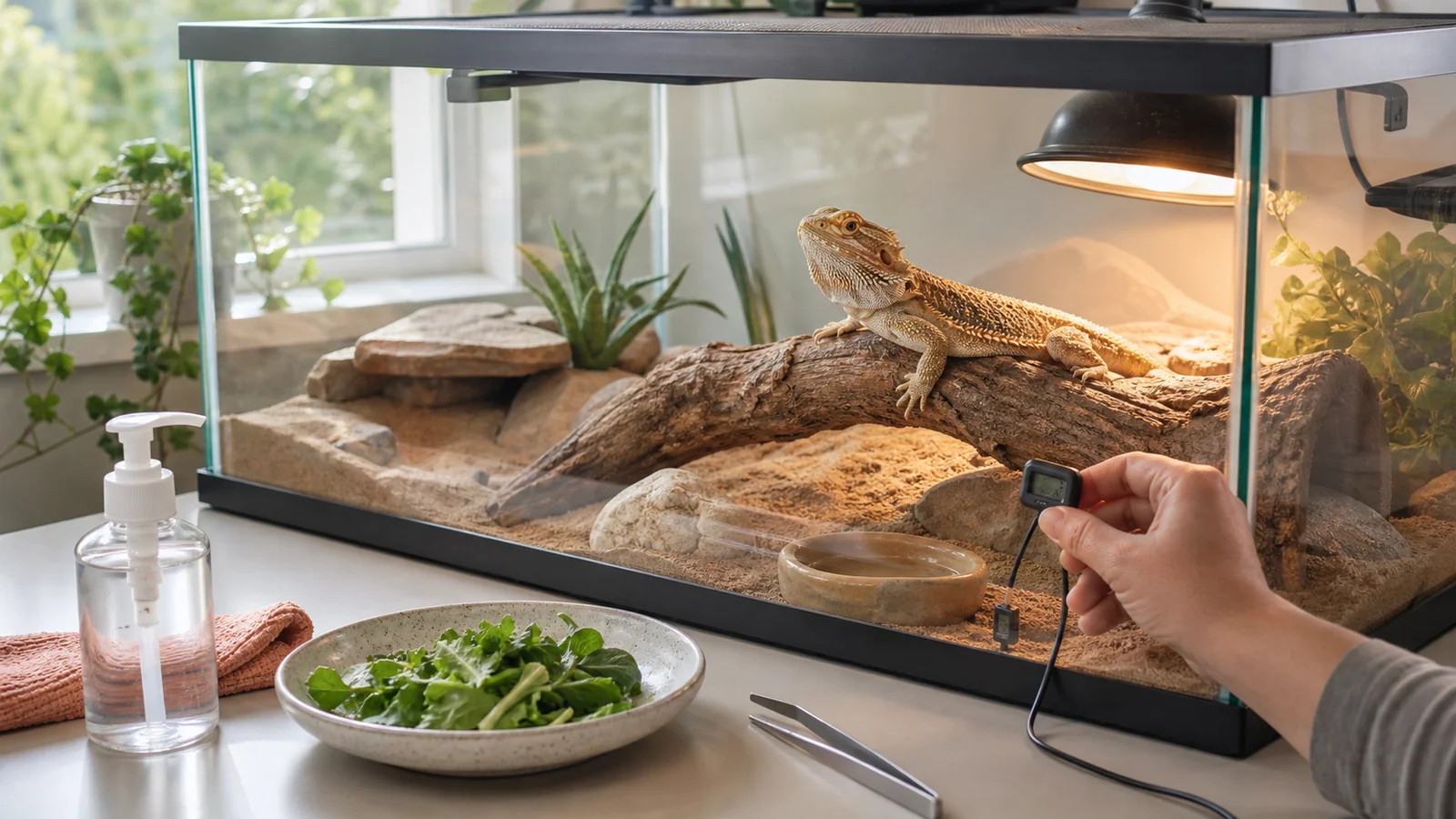
Bearded Dragon Pet Setup Guide for Beginners
Decide if a bearded dragon pet fits your home, budget, handling comfort, and setup needs before buying gear.
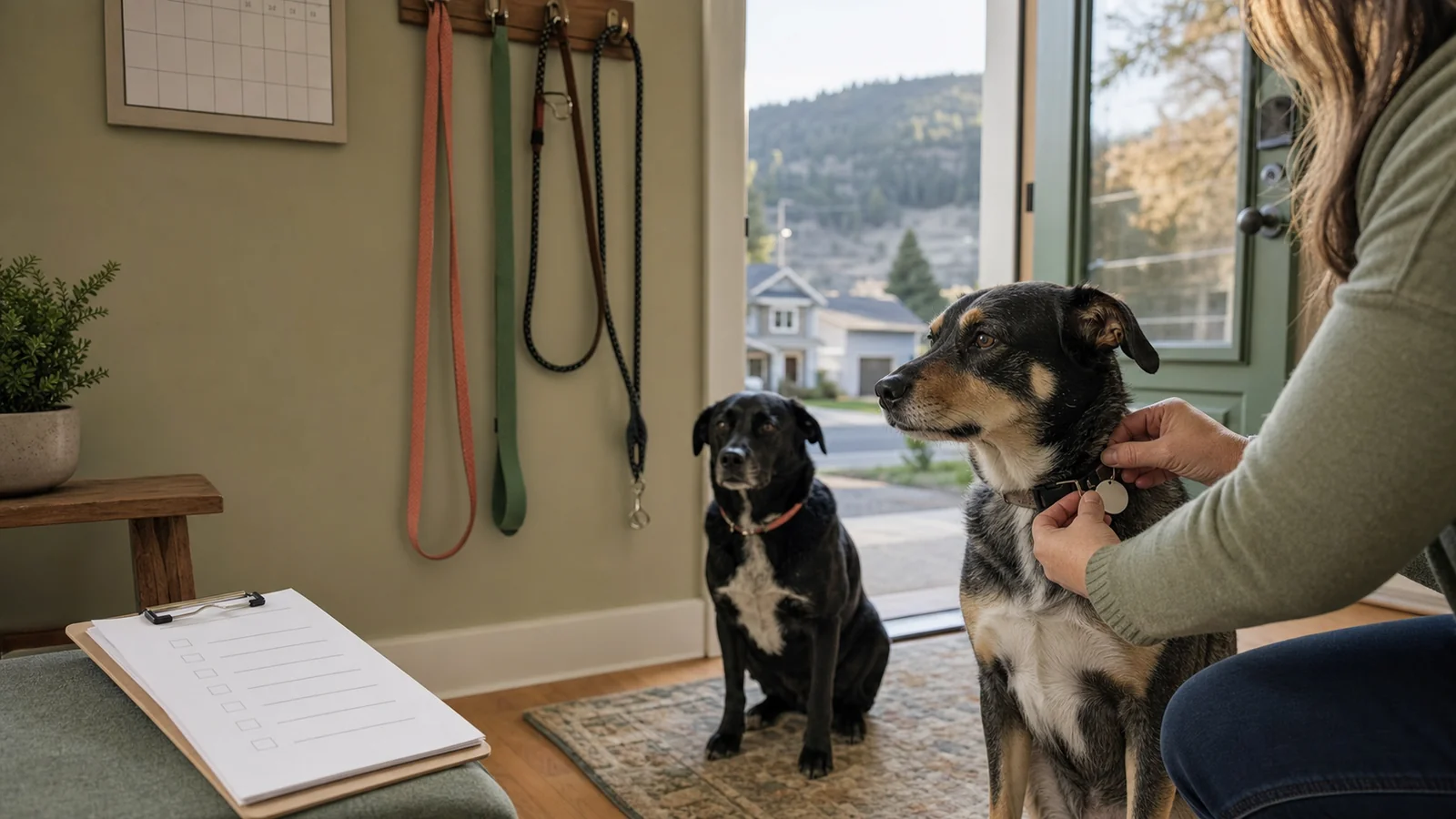
The Dalles Pet Limits: Owner Checklist
Check The Dalles pet limits, dog licensing, housing rules, and daily gear before bringing a dog or cat home.
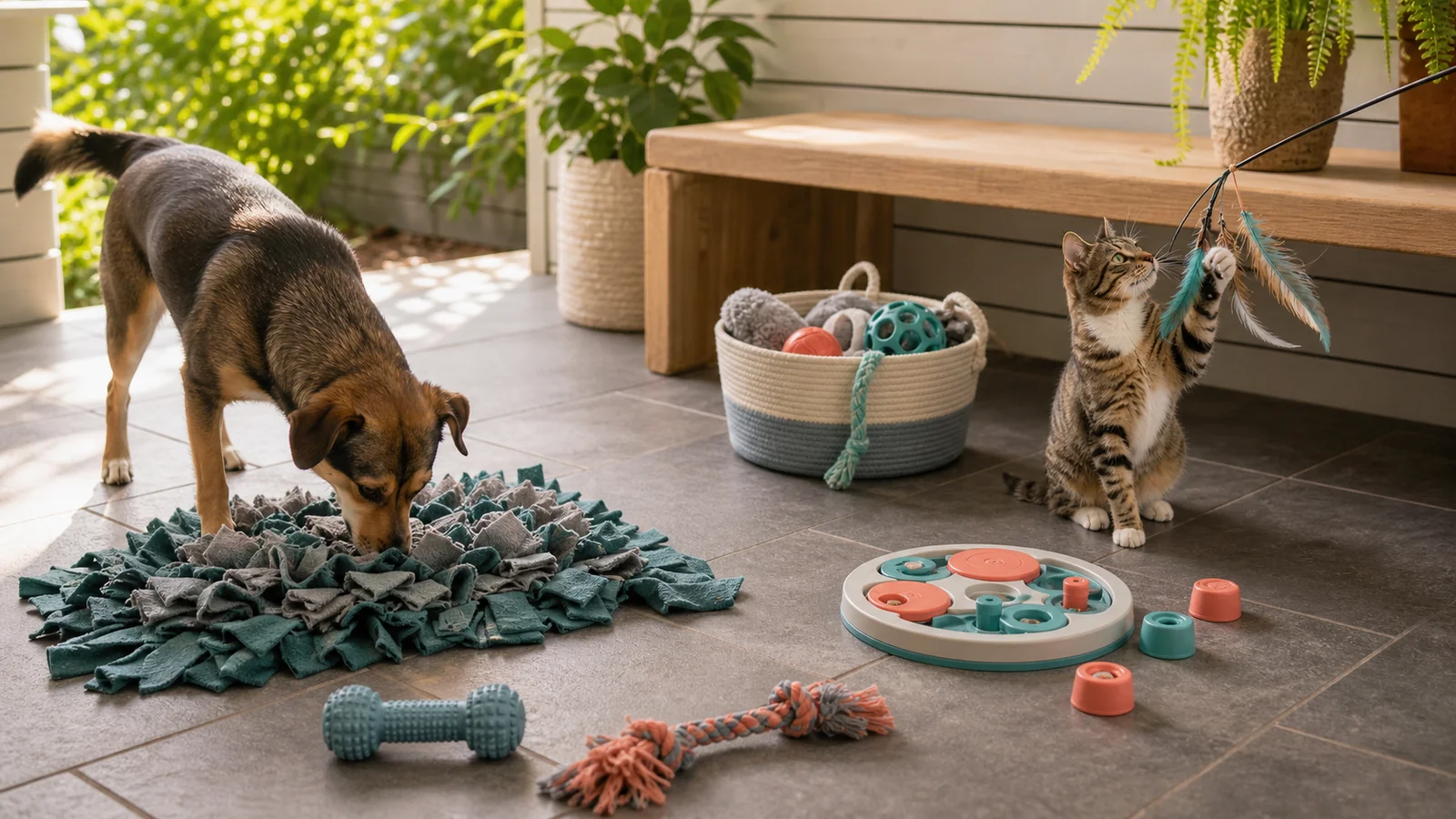
Pet Play: Safe Enrichment for Dogs and Cats
Build safer pet play with the right toys, supervision, rotation, and simple enrichment routines for dogs and cats.